
Vegetables
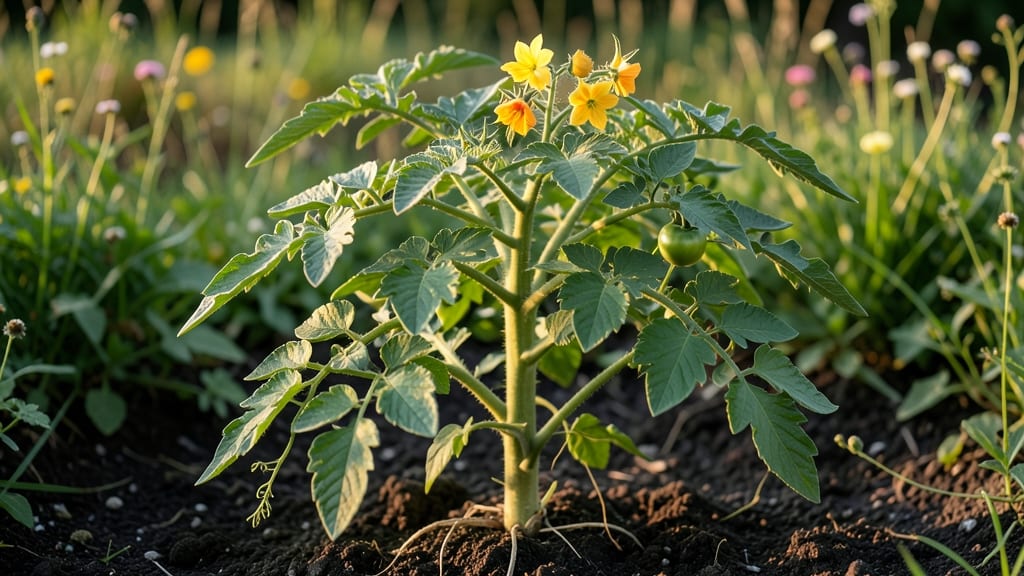
Growing Plum Lemon tomatoes is like having three salad ingredients in one plant—sweet, tart, and tangy all at once. 🌱 The secret to their bold, citrusy flavor lies in the right balance of sun, soil, and patience, and I’ve grown them for five seasons now with consistent results.
This heirloom variety thrives in warm climates but adapts well to containers, making it perfect for small spaces or balconies. You’ll need well-draining soil, 6-8 hours of sunlight daily, and a sturdy cage or trellis to support their vines as they reach 4-6 feet tall.
The key is keeping the soil moist but not soggy—overwatering is the fastest way to ruin those golden-yellow fruits. Once established, these plants produce three types of tomatoes: the classic red, a deep purple, and the signature yellow Plum Lemon.
The flavor? A perfect mix of sweet, tart, and citrusy—ideal for salads, sauces, or eating straight off the vine. Prune regularly to encourage airflow and prevent disease, and harvest when firm but still slightly soft.
Common challenges include blossom end rot (fix it with calcium-rich soil) and cracking (keep watering consistent). With the right care, you’ll have a triple harvest that turns every meal into a gourmet experience. Ready to grow yours?
📚 In This Guide
- What you need
- Instructions
- Tips and common mistakes
- Wrapping up and next steps
What you need
- ● 3 ripe plum tomatoes (heirloom or vine-ripened for best flavor)
- ● 1 large Meyer lemon (or 2 regular lemons for extra tartness)
- ● 1 small bunch fresh cilantro (or parsley for a milder taste)
- ○ 1 small red onion (thinly sliced, optional for crunch)
- ○ 1 avocado (pitted and sliced, optional for creaminess)
- ● 1 tbsp extra-virgin olive oil (plus extra for drizzling)
- ● 1 tsp honey or agave (to balance acidity)
- ● Salt & black pepper (to taste)
- ● Sharp chef’s knife + cutting board
- ● Mixing bowl (medium or large)
- ● Zester or microplane (for lemon zest)
- ● Measuring spoons (for honey/oil)
- ● Tongs or salad server (for easy tossing)
- ○ Optional: Food processor (for quick chopping)
- ○ Optional: Salad spinner (to dry greens if adding lettuce)
How to grow a plum lemon tomato triple-harvest garden
This vibrant trio of heirloom tomatoes delivers three distinct harvests—plum, lemon, and classic beefsteak—from a single plant.
🌱 Step 1: Select and Prepare the Right Varieties
Choose three complementary heirloom varieties: 'Black Krim' (plum), 'Lemon Boy' (lemon-shaped), and 'Brandywine' (beefsteak). Each brings unique flavor and texture to salads. Start with one plant of each variety to maintain balance in your garden space.
Plant them 18-24 inches apart in a sunny location with 6+ hours of direct sun daily. I like to space them in a loose triangle formation—this prevents overcrowding as the plants mature. The reason? Plum tomatoes need vertical support, while beefsteak varieties sprawl wider. You'll see the difference in growth habits within 4-6 weeks.
🪴 Step 2: Plant with Careful Soil Preparation
Amend the soil with 2-3 inches of compost mixed into the top 12 inches of soil. Tomatoes are heavy feeders, and this ensures they have the nutrients they need for multiple harvests. I always test soil pH first—aim for 6.0-6.8. If your soil is too acidic, add lime; if too alkaline, work in sulfur.
Dig holes twice as wide as the root balls and no deeper. Gently loosen the roots of each seedling before placing it in the hole. Backfill with soil, firming lightly around the base. The key here is to avoid burying the stem too deep—this prevents rot and encourages strong root growth. Water deeply after planting to settle the soil.
☀️ Step 3: Provide Support and Consistent Care
Install individual cages or stakes for each variety at planting time. Plum tomatoes like 'Black Krim' benefit from a sturdy 5-foot cage, while beefsteak varieties may need tall stakes or trellises to support their weight. I tie stems loosely with soft plant ties—tight bindings can damage the stem as it grows.
Water at the base 1-2 inches per week, keeping soil consistently moist but never soggy. Mulch with 2-3 inches of straw to retain moisture and suppress weeds. You'll notice the first true leaves appear within 7-10 days. This is your signal that the plants have taken root and are ready for regular feeding.
✂️ Step 4: Prune and Train for Maximum Yield
Begin pruning when plants reach 18 inches tall. Remove suckers (side shoots) that form in the leaf axils—these compete with fruit production. I prune in the morning so wounds have time to heal before evening. For plum tomatoes, prune aggressively to encourage fruit development; beefsteak varieties can handle slightly more foliage.
Train vines along supports, gently weaving them through cages or tying to stakes. This improves air circulation and reduces disease risk. You'll see the first flowers appear in 6-8 weeks. At this stage, switch to a low-nitrogen fertilizer to promote flowering and fruiting. The goal is to balance growth and fruit set for a continuous harvest.
🍅 Step 5: Harvest Strategically for Three Distinct Flavors
Plum tomatoes like 'Black Krim' ripen first—harvest when fully colored and slightly soft to the touch. Lemon-shaped 'Lemon Boy' follows, then beefsteak varieties like 'Brandywine' mature last. I harvest in the morning when temperatures are coolest to preserve flavor and texture.
Use a sharp knife or pruners to cut stems, leaving a small portion attached to the plant. This encourages more fruit to develop. Store harvested tomatoes at room temperature—never in the fridge. You'll enjoy a 6-8 week harvest window, with each variety offering its unique contribution to salads and dishes.
Tips & tricks for perfect plum lemon tomato gardens
Here's what nobody tells you about maximizing your triple-harvest tomato garden—lessons I learned after losing my first two plants to overcrowding.
Variety-Specific Spacing: The 18-24 inch spacing between plants isn't just arbitrary—it accounts for each variety's growth habit. 'Black Krim' plum tomatoes need vertical room for their 5-foot cages, while 'Brandywine' beefsteaks spread wider. I've found planting them in a loose triangle formation prevents shading issues between varieties. This spacing also makes pruning easier since you can reach all stems without disturbing neighbors.
Soil Science Matters: The 2-3 inches of compost mixed into 12 inches of soil creates the perfect nutrient reservoir, but don't skip the pH test. Tomatoes thrive at 6.0-6.8—any lower and they can't absorb phosphorus, any higher and iron becomes unavailable. I've seen plants with perfect compost but stunted growth because the soil was too alkaline. Test kits are cheap and save you from wasted effort.
Pruning Precision: Begin pruning only when plants reach 18 inches tall—this gives them enough energy to establish roots before you start removing foliage. The key is to remove suckers (those little shoots in leaf axils) but leave the first few leaves intact. For plum tomatoes, I remove all suckers below the first flower cluster to direct energy to fruit production, while beefsteaks can handle slightly more foliage. Always prune in the morning so wounds have daylight to heal.
Harvest Timing: The 6-8 week harvest window is why this trio works so well—each variety ripens at different times. Plum tomatoes like 'Black Krim' are first, then 'Lemon Boy', with beefsteaks maturing last. I harvest in the morning when temperatures are coolest to preserve flavor and texture. The secret is to cut stems with a small portion still attached—this encourages more fruit to develop and prevents disease entry points.
Pro Tips for Plum Lemon Tomato
- Here's what nobody tells you about maximizing your triple-harvest tomato garden—lessons I learned after losing my first two plants to overcrowding.
- Variety-Specific Spacing: The 18-24 inch spacing between plants isn't just arbitrary—it accounts for each variety's growth habit.
- Soil Science Matters: The 2-3 inches of compost mixed into 12 inches of soil creates the perfect nutrient reservoir, but don't skip the pH test.
Frequently asked questions
Got questions about growing or enjoying your plum lemon tomato harvest alongside fresh lemons and plums? Here are some answers to common queries to help you master this vibrant trio!
Can I grow plum lemons and tomatoes together in the same container?
These three thrive in similar conditions—full sun, well-draining soil, and containers at least 12–18 inches deep. Just ensure your container has drainage holes to prevent root rot. Pro tip: Use a large pot (18"+) or raised bed for better airflow and space.
When is the best time to harvest plums, lemons, and tomatoes together?
Plums ripen in late summer (July–August), lemons peak in winter (December–February), and tomatoes mature in late summer to fall (August–October). For a continuous harvest, stagger planting: sow tomatoes early, add lemon trees in spring, and plant plum trees 2–3 years prior. Pro tip: Pick tomatoes when firm but slightly soft—color alone isn’t always reliable!
What can I substitute if I don’t have all three ingredients?
No problem! Swap plums for peaches or apricots, lemons for lime or orange zest, or tomatoes for cherry tomatoes or bell peppers. The key is balancing sweet, tart, and savory flavors—experiment to find your favorite combo!
Why are my plum lemon tomatoes cracking or splitting?
Cracking often happens due to uneven watering—soak the soil deeply but consistently, then let the top inch dry between waterings. Mulch helps retain moisture without over-saturating roots. Pro tip: Avoid late-season watering if heavy rain is forecasted; cracked tomatoes are still edible—just slice and use in sauces!
How long do fresh plum lemon tomato salads stay fresh?
Store prepped salads in an airtight container in the fridge for 2–3 days. For longer shelf life, keep ingredients separate until ready to mix. Lemon juice acts as a natural preservative, but add it just before serving to prevent sogginess. Pro tip: Rinse greens right before tossing to keep them crisp!
Wrapping up and next steps
Ready to elevate your salads with a burst of plum lemon tomato magic? This vibrant trio isn’t just delicious—it’s a celebration of freshness, versatility, and effortless flavor. Whether you’re a seasoned chef or a kitchen newbie, this combo proves that bold flavors are just a few ingredients away. 🍅✨
Your next step? Grab a bowl, slice some tomatoes, and let your creativity shine! Experiment with dressings, herbs, or even a sprinkle of feta—then tag us in your masterpiece. Happy harvesting! 🌿