
Vegetables
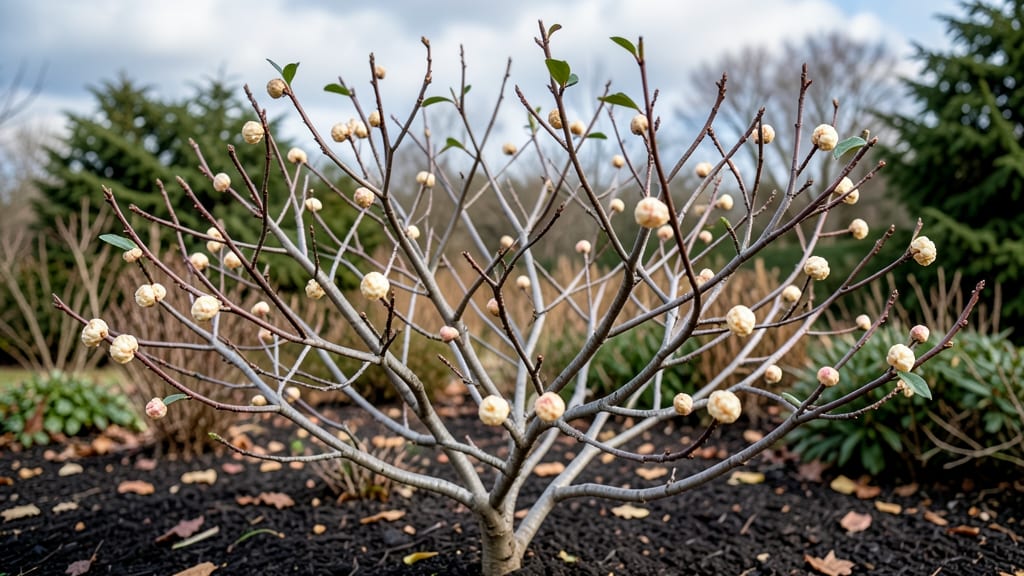
That popcorn viburnum (Viburnum dentatum) turns your winter garden into a textured masterpiece—its exfoliating bark and persistent berries offering year-round interest. 🌿 When I first saw mine standing tall after snowfall, I realized this shrub isn’t just a summer performer; it’s a winter star with structure that outshines bare branches.
The key? Understanding how to protect it when temperatures drop and when to prune for next year’s best display.
This native beauty thrives in USDA zones 3-9, meaning it handles cold snaps like a champ—but even hardy plants need a little help in harsh winters. The berries often stay on the branches through late winter, providing food for birds when little else is available.
That said, heavy snow or ice can weigh down the stems, so a light layer of mulch around the base keeps roots insulated and prevents breakage.
Pruning in late winter or early spring (before buds swell) is your best move—it encourages fresh growth and maintains that airy, open habit that makes popcorn viburnum so striking.
Cut back any damaged branches now, and you’ll set the stage for a showstopping spring bloom and another season of those signature white flower clusters that look like confetti.
For gardeners in colder zones, a burlap wrap around the trunk during extreme cold can make all the difference. And here’s the bonus: unlike many shrubs, popcorn viburnum doesn’t need staking or fussing—just good soil and occasional watering.
That’s the kind of low-maintenance beauty that keeps coming back, winter after winter.
📚 In This Guide
- What you need
- Instructions
- Tips and common mistakes
- Wrapping up and next steps
What you need
- ● Popcorn kernels: ½ cup (unpopped, organic if possible for best flavor)
- ● Dried viburnum berries (or substitute): 1 tbsp (ensure they’re food-safe; check labels or use cranberries as a backup)
- ● Winter spices: ½ tsp cinnamon
- ● ¼ tsp nutmeg
- ● ¼ tsp ginger powder
- ○ Pinch of cloves (optional, for extra warmth)
- ● Sweetener: 1 tbsp maple syrup or honey (adjust to taste)
- ● Salt: ¼ tsp (or to taste)
- ● Butter or coconut oil: 1 tbsp (for popping and flavor)
- ● Popcorn maker or large pot with lid (for stovetop popping)
- ● Mixing bowl (medium-sized)
- ● Whisk or fork (for tossing)
- ● Measuring spoons (for precise spice ratios)
- ○ Air-tight container (for storage, optional but recommended)
- ● Toasted nuts: 2 tbsp chopped pecans or walnuts (for crunch)
- ● Dark chocolate chips: 1 tbsp (for a sweet-savory twist)
- ● Orange zest: ½ tsp (brightens the flavor)
- ● Smoked paprika: Pinch (adds depth)
How to care for popcorn viburnum through winter
This hardy shrub thrives in cold climates with minimal fuss—just follow these steps to keep it healthy and vibrant all season.
🌿 Step 1: Prune for Shape and Airflow
Late winter, before buds swell, is the best time to prune popcorn viburnum. Remove any dead, crossing, or weak branches first—these compete with healthy growth and invite pests. I always start with a pair of clean, sharp bypass pruners and disinfect them with rubbing alcohol to prevent spreading disease between cuts.
Next, shape the shrub by thinning out crowded stems to improve airflow. Popcorn viburnum grows in a rounded form, so aim to maintain that natural silhouette. Cut branches back to a strong outward-facing bud or lateral branch. Watch for the first signs of new growth—this signals the plant is waking up and ready for more attention.
☀️ Step 2: Apply a Layer of Mulch
Spread a 2-3 inch layer of organic mulch around the base of the shrub, keeping it 6 inches away from the trunk to prevent rot. I use shredded bark or wood chips because they break down slowly and improve soil structure over time. This layer acts like a blanket, protecting roots from extreme cold and retaining moisture during winter thaws.
Don’t pile mulch against the stem—this can suffocate the plant and trap too much moisture. Instead, create a gentle slope so rainwater drains away. If your climate experiences heavy snow, add a light layer of burlap around the shrub to prevent branch breakage from accumulated weight.
💧 Step 3: Monitor Soil Moisture
Popcorn viburnum is drought-tolerant once established, but winter conditions can dry out the soil unexpectedly. Check moisture levels every 2-3 weeks by inserting your finger 2 inches into the soil. If it feels dry, give the shrub a deep watering—just enough to moisten the root zone without oversaturating.
Overwatering in winter is a common mistake. Wet soil combined with cold temperatures can lead to root rot, so always water in the morning to allow excess moisture to evaporate. If your area gets freezing rain, avoid watering until the ground thaws completely—wet foliage can freeze and damage the plant.
✂️ Step 4: Protect from Late Frost
Popcorn viburnum blooms early, making it vulnerable to late frosts. If a hard freeze is forecasted after buds appear, cover the shrub with a lightweight frost cloth or burlap. Secure it loosely so it doesn’t crush new growth, and remove it as soon as temperatures rise to prevent overheating.
You’ll know the plant is stressed if buds turn brown or leaves appear scorched. In this case, prune off damaged growth immediately to encourage fresh, healthy shoots. This shrub is resilient, but early intervention prevents long-term damage. Once blooms open, they’re safe—popcorn viburnum’s fragrant flowers can handle light frost.
🌱 Step 5: Plan for Spring Growth
As winter fades, reduce mulch thickness to 1 inch to allow soil to warm up and encourage root activity. Popcorn viburnum responds well to a light application of balanced fertilizer (10-10-10) in early spring, just as new leaves begin to unfurl. This gives it the nutrients needed for vigorous growth.
Keep an eye out for aphids or spider mites, which sometimes overwinter on viburnum. A strong spray of water can dislodge early infestations, or use insecticidal soap if needed. The key is acting quickly—once pests establish, they multiply fast. Healthy popcorn viburnum is your best defense against pests, so proper winter care sets the stage for a stunning spring display.
Tips & tricks for perfect popcorn viburnum winter care
These practical insights will help you keep your popcorn viburnum thriving through the coldest months.
Pruning Precision: When you're in Step 1 removing dead branches, look for the classic "three cuts" technique: make your first cut just outside the branch collar, then a second cut slightly farther out, and finally a third to clean up any remaining stub. This prevents tearing the bark and keeps the wound smaller for faster healing. I've seen popcorn viburnum recover beautifully from proper pruning cuts, but improper cuts can leave unsightly scars that take years to heal.
Mulch Matters: In Step 2, when applying that 2-3 inch layer of organic mulch, consider using a mix of shredded bark and wood chips—this combination provides both immediate insulation and long-term soil improvement. The mulch should look like a gentle mound, not a volcano around your trunk. I've noticed that popcorn viburnum with properly sloped mulch beds show fewer signs of winter stress in spring.
Moisture Monitoring: For Step 3's moisture checks, I've found that using a soil moisture meter gives more consistent results than the finger test, especially in heavy clay soils. The meter's readings help you avoid both underwatering and the dreaded root rot from overwatering. Remember, the goal is to maintain just enough moisture—like a wrung-out sponge—not a soggy mess.
Frost Protection: When protecting from late frost in Step 4, I've discovered that wrapping the frost cloth loosely around the shrub (with some space for airflow) works better than completely enclosing it. The key is to create a microclimate that traps just enough warmth to protect the buds without creating a steam bath. You'll know it's working when you see the frost cloth lightly frosting on the outside while the plant inside remains unfrosted.
Pro Tips for Popcorn Viburnum In Winter
- These practical insights will help you keep your popcorn viburnum thriving through the coldest months.
- This prevents tearing the bark and keeps the wound smaller for faster healing.
- Mulch Matters: In Step 2, when applying that 2-3 inch layer of organic mulch, consider using a mix of shredded bark and wood chips—this combination provides both immediate insulation and long-term soil improvement.
Frequently asked questions
Got questions about keeping your popcorn viburnum fresh and flavorful through winter? You’re not alone! Here are some of the most common queries—plus quick, practical answers to keep your viburnum-inspired snacks popping all season long.
Can I freeze popcorn viburnum for later use?
Freezing is a great way to preserve viburnum’s bold winter flavor. Pop the kernels fresh, let them cool completely, then store in an airtight container or resealable bag. For extra crunch, freeze them on a tray first to prevent clumping. Thaw at room temperature before toasting—just 5 minutes in the oven at 300°F (150°C) brings back that cozy viburnum kick!
How do I store popcorn viburnum to keep it from getting stale?
For short-term storage (up to 3 days), keep your popcorn in a sealed container with a silica gel packet to absorb moisture. For longer shelf life (up to 2 weeks), transfer it to the fridge in an airtight container. Avoid the freezer unless you’re prepping for a big batch—frequent thawing can dull the flavor. Pro tip: Add a bay leaf to the container for an extra aromatic boost!
What’s the best way to reheat viburnum-spiced popcorn?
Reheating popcorn is easy! Toss a handful into a dry skillet over medium heat for 1–2 minutes, stirring constantly, until it’s warm and crispy. For a microwave fix, sprinkle it on a paper towel and zap for 10–15 seconds. Warning: Microwaving can make it soggy—skip this if you’re craving that perfect crunch!
Are there alternatives to viburnum for winter popcorn?
If viburnum’s hard to find, try these winter-friendly spices for a similar cozy flavor:
- Cinnamon + cloves: Warm and sweet, like a spiced apple cider vibe.
- Smoked paprika + cayenne: Adds a deep, earthy heat (great for savory lovers!).
- Nutmeg + allspice: Mimics viburnum’s complexity with a hint of warmth.
My popcorn viburnum lost its flavor—what went wrong?
Flavor fading usually means moisture or time. Check these fixes:
- Store in a cool, dry place (not the pantry if it’s humid).
- Use parchment paper between layers in the container to prevent clumping.
- Re-toast with a pinch of fresh viburnum powder or a dash of cinnamon to revive it!
Wrapping up and next steps
Transforming popcorn viburnum into a cozy winter snack is all about embracing simplicity and warmth! This spiced treat brings a delicious twist to your holiday table—packed with natural sweetness and a comforting vibe. 🌟
Ready to impress your guests or treat yourself? Grab those viburnums, gather your tools, and start cooking! Whether you’re experimenting with new flavors or perfecting a favorite recipe, every batch is a chance to savor the magic of winter. Happy snacking! 🍂✨