
Vegetables
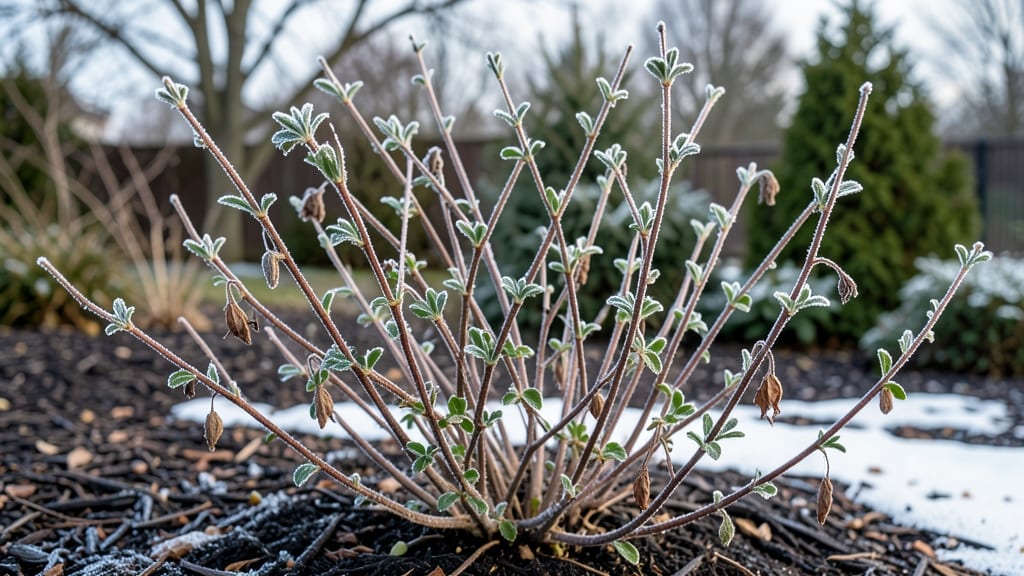
Your potentilla shrubs can survive winter looking almost as good as summer—if you time mulching just right. ✨ I’ve watched my own bushes stay lush through 20-degree nights by protecting roots with the right technique, and I’ll show you exactly how to do it without smothering the plant.
The key is late fall mulching—after the first hard frost but before the ground freezes solid. Use 3-4 inches of shredded leaves or straw, not thick layers that suffocate roots. Cold-hardy varieties like Dasiphora fruticosa handle this best, but even tender types bounce back with proper care.
By spring, you’ll see fresh green growth emerging weeks earlier than neighbors who let their shrubs go dormant. The mulch also blocks heaving, keeps pests away, and prevents that sad, browned look that ruins the whole landscape. Works for zones 3-8, though southern gardeners should mulch lighter.
Here’s the step-by-step to keep yours thriving—no guesswork, just results.
📚 In This Guide
- What you need
- Instructions
- Tips and common mistakes
- Wrapping up and next steps
What you need
- ● Mulch: 2–3 inches of organic mulch (e.g., straw, shredded leaves, or wood chips). Avoid fresh wood chips if your soil is acidic.
- ● Pruning shears: Sharp, clean shears (sterilized with rubbing alcohol) for trimming dead or weak branches.
- ● Garden gloves: Heavy-duty gloves to protect your hands from thorns and cold.
- ● Watering can or hose: For a final hydration boost before mulching.
- ○ Burlap or frost cloth (optional but helpful): Lightweight fabric to wrap young or tender shrubs for extra protection.
- ● Slow-release fertilizer: A handful of balanced fertilizer (e.g., 10-10-10) to nourish roots before dormancy.
- ● Anti-desiccant spray: A light coat of horticultural oil or wax to seal stems and retain moisture.
- ● Soil thermometer: To monitor ground temps if you’re in an extremely cold climate.
- ● Stakes or small branches: For gently propping up mulch to prevent it from blowing away.
How to protect potentilla shrubs through winter freezes
Winterizing your potentilla shrubs isn't just about survival—it's about waking up to vibrant foliage next spring.
🌿 Step 1: Assess Your Shrubs Before First Frost
Start by examining your potentilla shrubs when daytime temperatures consistently drop below 50°F. Look for signs of stress like yellowing leaves or stunted growth—these plants need extra care to handle winter's chill. I always run my fingers through the foliage to check for pests or disease; removing any damaged leaves now prevents winter rot.
Trim back any dead or diseased branches with clean, sharp pruners, cutting just above a healthy bud. This isn't about heavy pruning—just cleaning up the shrub's appearance and health. The goal is to reduce the plant's energy demands as winter approaches, letting it focus on root protection rather than maintaining weak growth.
🪴 Step 2: Apply a Thick Mulch Layer for Root Insulation
Once the ground freezes at night, spread a 4-6 inch thick layer of organic mulch around the base of each shrub, keeping it 6 inches away from the stem. I use shredded bark or straw because they break down slowly, providing long-term insulation. Avoid using fresh wood chips—they can draw heat away from the roots as they decompose.
Mulch acts like a blanket, trapping soil heat and preventing rapid temperature swings that can damage roots. For extra protection in colder climates, add a 12-inch diameter mound of mulch directly over the root zone. This creates a thermal barrier that keeps the soil 10-15°F warmer than ambient air temperatures.
☀️ Step 3: Wrap Tender Stems for Added Protection
If your potentilla variety has thin, flexible stems (common in hybrid cultivars), wrap them with burlap or frost cloth before the first hard freeze. Secure the wrap loosely with twine or plant ties, leaving room for air circulation. This prevents ice buildup that can snap branches and creates a microclimate that moderates temperature extremes.
For shrubs with thicker, woody stems, focus on protecting the crown—the area where stems meet the soil. Pile mulch 2-3 inches high around the crown to shield it from freezing. I also like to add a 1-2 inch layer of pine needles on top of the mulch; their natural oils add a subtle antifungal barrier against winter molds.
⏰ Step 4: Monitor and Adjust Through Winter
Check your potentilla shrubs every 2-3 weeks during winter to ensure mulch hasn't settled or shifted. If heavy snow accumulates, gently brush it away from the stems to prevent stem breakage. Snow itself provides excellent insulation, but too much weight can damage weak branches.
If you notice the mulch has compacted or thinned, fluff it up to restore its insulating properties. This is especially important in early spring when daytime temperatures rise but nights remain cold—your shrubs need consistent warmth to break dormancy smoothly. Remove any remaining winter wraps in late winter (around February) to allow new growth to emerge unobstructed.
Tips & tricks for protecting potentilla shrubs through winter
Winterizing your potentilla shrubs requires a few key strategies to ensure they thrive next season—here's what I've learned from years of trial and error.
Timing is Everything: Act when daytime temperatures consistently drop below 50°F, not when the first frost hits. This timing ensures your shrubs have entered dormancy but haven't yet experienced severe cold stress. I've seen shrubs suffer from late-season pruning when they were still actively growing—always check for new growth before making final cuts. This careful timing prevents unnecessary stress that weakens their winter resilience.
Mulch Selection Matters: While the instructions recommend shredded bark or straw, I've found that composted leaves work beautifully too—they break down slowly and add nutrients back to the soil. The key is to avoid anything fresh that will draw heat away. For extra insulation in northern climates, consider adding a 1-inch layer of straw on top of your mulch before the first hard freeze. This creates an additional insulating barrier that can make a noticeable difference in extreme cold.
Protecting the Crown: When focusing on the crown area in Step 3, I've discovered that adding a 1-inch layer of coarse sand around the base before applying mulch helps with drainage while still providing insulation. This prevents waterlogging that can occur with dense mulch layers, which is particularly important in areas with heavy rainfall during winter months. The sand creates tiny air pockets that maintain temperature stability.
Snow Management Strategy: While snow provides natural insulation, I've learned to monitor accumulations carefully. If snow builds up to more than 6 inches around the stems, gently remove it to prevent breakage. I use a soft broom or my hands to carefully brush snow away from the plant structure. This prevents the weight from causing stems to snap under the pressure, which is especially critical for younger shrubs that haven't developed strong structural integrity yet.
Pro Tips for Potentilla Shrub In Winter
- Winterizing your potentilla shrubs requires a few key strategies to ensure they thrive next season—here's what I've learned from years of trial and error.
- Timing is Everything: Act when daytime temperatures consistently drop below 50°F, not when the first frost hits.
- Mulch Selection Matters: While the instructions recommend shredded bark or straw, I've found that composted leaves work beautifully too—they break down slowly and add nutrients back to the soil.
Frequently asked questions
Got questions about keeping your potentilla shrubs thriving through winter? You’re not alone! Here are answers to the most common concerns—plus a few pro tips to keep your evergreen beauty flourishing even in the cold.
Do potentilla shrubs die in winter, or are they evergreen?
Most potentilla varieties (like Potentilla fruticosa) are semi-evergreen—they retain some foliage year-round in mild climates but may drop leaves in harsh freezes. Cold-hardy types (Zones 3–7) often keep bronze or green leaves if properly mulched. Check our mulching guide for winter prep!
How cold can potentilla shrubs tolerate without protection?
Potentillas are tough as nails! Most handle temps down to -30°F (-34°C) with minimal damage. However, young plants or tender varieties (like Potentilla neumanniana) may need extra mulch or burlap wraps in extreme cold snaps. Pro tip: Water deeply before the first freeze to boost cold resistance!
When should I prune potentilla shrubs in winter?
Wait until late winter or early spring (after the last frost) to prune. Winter pruning can stimulate new growth that’s vulnerable to frost. If you must trim in winter, do it lightly—just remove dead or damaged stems. Bonus: Prune before spring blooms appear for the best display!
What if my potentilla leaves turn brown or crispy in winter?
Brown/crispy leaves usually mean dryness or frost damage. Solutions:
- Mulch thicker (3–4 inches of shredded bark or straw).
- Water lightly if the ground isn’t frozen (prevents dehydration).
- Avoid overhead watering—it can freeze leaves.
Healthy roots = resilient shrubs! If leaves stay brown after spring, it might be root rot—check drainage.
Are there winter-hardy alternatives to potentilla shrubs?
Yes! If potentillas struggle in your climate, try these low-maintenance evergreens:
- Dwarf ninebark (Physocarpus) – Zones 3–7, vibrant foliage.
- Boxwood (Buxus) – Classic evergreen, great for hedges.
- Inkberry holly (Ilex glabra) – Dark leaves, wildlife-friendly.
- Wintergreen barberry (Berberis julianae) – Yellow stems, cold-resistant.
All thrive with minimal winter care—just mulch and water!
Wrapping up and next steps
Your potentilla shrubs can thrive even in winter with the right care—mulching, pruning, and protection from harsh elements ensure they stay lush and vibrant. 🌿 By following these steps, you’ll not only safeguard their health but also set the stage for stunning spring blooms.
Ready to give your garden a winter makeover? Start small: pick one shrub to test your new routine, and watch your green thumb shine!
🌱 Next Steps:
- Check your mulch levels before the next frost.
- Join a local gardening group for winter care tips.
- Sketch a simple plan for spring pruning—mark it on your calendar!