
Vegetables
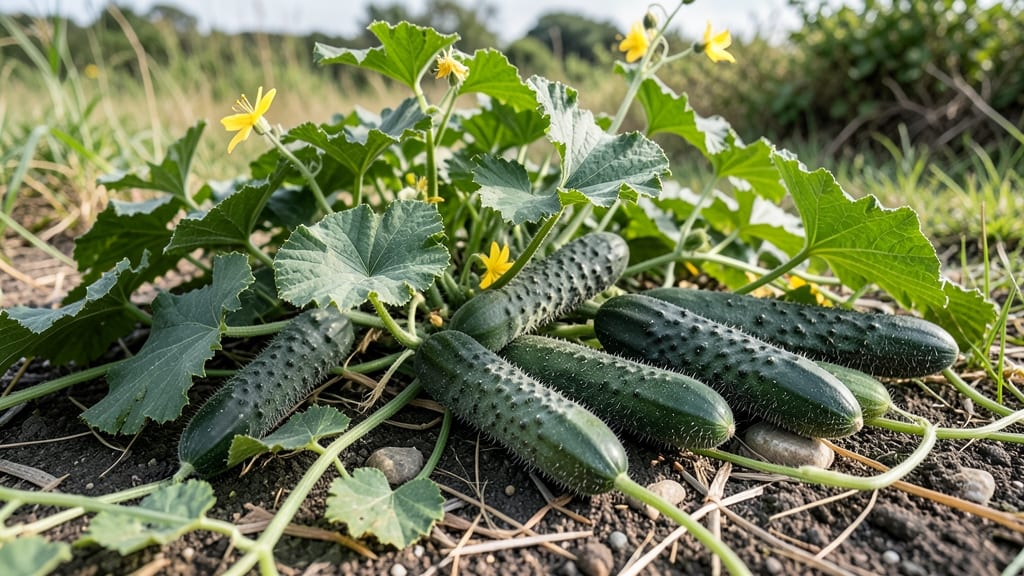
Growing prickly cucumber vine (Echinocystis lobata) means year-after-year harvests with almost no effort—this cold-hardy perennial keeps coming back, even after frost. 🌱 I’ve watched mine resprout from the same roots for five seasons, producing those unique, spiky fruits that look like nature’s own art project.
The secret lies in its adaptability: it thrives in poor soil, tolerates shade, and spreads aggressively (which is great if you want to fill gaps but tricky if you don’t).
Plant seeds in early spring or divide established clumps in fall—either way, you’ll see fast, vigorous growth that outpaces most annual vines. By midsummer, you’ll have clusters of those distinctive, balloon-like fruits that split open to reveal seeds.
They’re edible (though bitter) and make great garnishes, but even if you don’t eat them, the vine’s lush foliage and architectural form make it a standout ornamental. Here’s the catch: control its spread with barriers or pruning, and pair it with deep-rooted perennials to keep it from dominating.
Once established, it’s basically maintenance-free—just harvest and enjoy the show.
📚 In This Guide
- What you need
- Instructions
- Tips and common mistakes
- Wrapping up and next steps
What you need
- ● Prickly cucumber vine seeds (Echinocystis lobata) – 1–2 packets (about 50–100 seeds per packet). Choose organic or heirloom seeds if possible.
- ● Well-draining soil – A mix of 60% topsoil, 30% compost, and 10% perlite or sand (pH 6.0–7.0). Prickly cucumber thrives in fertile, slightly acidic soil.
- ● Garden space or containers – In-ground garden: Full sun (6+ hours/day) and space for vines to spread 10–15 feet (they’re aggressive climbers!).
- ● Containers: Large pots (at least 10–12 gallons) with drainage holes and trellis support.
- ● Trellis or sturdy support – 8–10-foot-tall wooden lattice, metal trellis, or strong fence. Prickly cucumber vines can weigh 50+ lbs when laden with fruit!
- ● Watering can or hose with adjustable nozzle – Prickly cucumber needs 1–2 inches of water weekly, especially during dry spells.
- ● Gloves (heavy-duty) – The vines have spiky tendrils—protect your hands when handling!
- ● Pruning shears or sharp scissors – For trimming vines and harvesting fruit.
- ● Mulch (straw or shredded leaves) – Helps retain moisture and suppress weeds.
- ● Organic fertilizer (balanced, 10-10-10) – Apply lightly at planting and mid-season to boost growth.
- ● Row covers or frost cloth – Protects young plants from late frosts (prickly cucumber is hardy to Zone 3, but tender when young).
- ● Harvest basket or mesh bag – Makes it easier to collect prickly fruits without pricking yourself!
- ● Journal or plant markers – Track growth stages and harvest dates for future reference.
How to grow and maintain prickly cucumber vine as a cold-hardy perennial
This resilient vine thrives in zones 3-9 and rewards patience with years of lush, drought-tolerant foliage.
🌱 Step 1: Select and Prepare Planting Site
Choose a location with full sun to partial shade—at least 6 hours of direct sunlight daily for best growth. Prickly cucumber vine tolerates poor soil but thrives in well-draining, slightly alkaline conditions (pH 6.5-7.5). Amend heavy clay with 2-3 inches of compost to improve drainage.
Here's the thing—this vine spreads aggressively. Plant at least 10 feet from structures or pathways to prevent unwanted encroachment. If space is limited, contain it with a buried root barrier (at least 2 feet deep). The roots are deep but not invasive like bamboo.
💧 Step 2: Plant and Establish Initial Growth
Dig a hole twice as wide as the root ball but no deeper. Position the plant so the top of the root ball sits level with the surrounding soil—burying too deep suffocates the crown. Water deeply before planting to encourage roots to spread into the native soil.
After planting, water 1-2 times per week for the first 4-6 weeks to establish roots, then reduce to weekly deep waterings once established. You'll know it's thriving when new shoots appear within 2-3 weeks—look for bright green, triangular leaves with spiny stems.
☀️ Step 3: Prune for Shape and Encourage Regrowth
Prickly cucumber vine grows 10-15 feet annually if unchecked. In early spring, cut back one-third of the previous year's growth to stimulate new, vigorous shoots. Use clean, sharp pruners and make cuts just above a leaf node to encourage branching.
Remove any dead or diseased stems immediately—this vine is tough but not immune to fungal issues in overly humid conditions. Thin out congested areas by selectively cutting back the oldest stems first. You'll see lush, bushier growth within 4-6 weeks of pruning.
✂️ Step 4: Overwinter for Guaranteed Regrowth
In zones 3-5, protect the crown with 4-6 inches of mulch (straw or shredded leaves) before the first frost. In colder climates, cover with burlap if temperatures drop below 10°F. The vine's cold hardiness is legendary—it often regrows from the same roots year after year.
In early spring, remove winter protection and water lightly to encourage new shoots. Avoid fertilizing until you see new growth—over-fertilizing can burn tender spring shoots. Watch for first true leaves (not the small scale leaves) as your signal to resume regular care.
🌿 Step 5: Maintain Long-Term Health and Spread
Fertilize once in early spring with a balanced 10-10-10 formula at half-strength to avoid excessive leafy growth. This vine is drought-tolerant but looks best with consistent moisture—water deeply once per week during dry spells.
Divide mature clumps every 3-5 years in early spring to prevent overcrowding. Dig up sections with 3-4 shoots and replant immediately. The divided sections establish just as easily as the original plant. Real talk: this vine spreads so reliably that you'll soon have volunteer plants popping up in unexpected spots—just dig and relocate them.
Tips & tricks for perfect prickly cucumber vine growth
These insider tricks will help you coax the most vibrant, resilient growth from your prickly cucumber vine—without the headaches.
Soil Prep Secret: While this vine tolerates poor soil, don't skip the compost amendment in Step 1. That 2-3 inches of compost isn't just for drainage—it introduces beneficial microbes that help the vine establish roots faster. I've seen plants in amended soil show new shoots in just 10 days instead of the usual 2-3 weeks. Pro tip: Mix in a handful of wood ash if your soil tests acidic—this vine thrives in slightly alkaline conditions (pH 6.5-7.5).
Pruning Precision: When you're cutting back one-third of last year's growth in Step 3, aim for clean cuts just above a leaf node. I learned this the hard way—leaving stubs invites disease. Use sterilized pruners (wipe with rubbing alcohol between cuts) and make the cuts at a 45-degree angle to prevent water pooling. The 4-6 week regrowth window is when you'll see the biggest transformation—patience pays off with bushier, more vigorous growth.
Winter Protection Hack: That 4-6 inches of mulch in Step 4 is non-negotiable in zones 3-5, but here's what nobody tells you: pile the mulch higher (up to 8 inches) if you're expecting a particularly harsh winter. I've had plants survive -15°F with this extra protection. And that 10°F threshold for burlap? That's when you should act—don't wait until it's already below freezing. Cold damage happens fast, and this vine, while tough, still needs protection.
Division Strategy: When dividing mature clumps every 3-5 years in Step 5, focus on sections with 3-4 shoots—these establish fastest. I've found that dividing in early spring (when soil temps hit 50°F) gives the new plants a 2-week head start before summer heat. Water the divisions twice daily for the first week to reduce transplant shock. The "volunteer plants" mentioned are actually a blessing—they're nature's way of telling you your vine is thriving and ready to spread!
Pro Tips for Prickly Cucumber Vine
- These insider tricks will help you coax the most vibrant, resilient growth from your prickly cucumber vine—without the headaches.
- Soil Prep Secret: While this vine tolerates poor soil, don't skip the compost amendment in Step 1.
- Pruning Precision: When you're cutting back one-third of last year's growth in Step 3, aim for clean cuts just above a leaf node.
Frequently asked questions
Got questions about prickly cucumber vine? You’re not alone!
Whether you're a first-time gardener or a seasoned grower, these answers will help you navigate its quirks, care, and rewards. Let’s dive in!
How cold-hardy is prickly cucumber vine, really?
Prickly cucumber vine (Echinocystis lobata) thrives in USDA Zones 3-9, making it one of the toughest edible perennials. It survives winter dormancy underground, then bursts back to life in spring—even after frost! Just protect young plants with mulch in extreme cold snaps (below 0°F/-18°C).
When is the best time to harvest prickly cucumber pods?
Harvest when pods are 3-5 inches long and still tender (like a cucumber). Use gloves—those spines pack a punch! For best flavor, pick in the morning after a light rain. Overripe pods turn woody and bitter, so check vines weekly. Pro tip: Freeze or pickle extras to enjoy year-round!
Can I grow prickly cucumber vine in containers?
Yes! Choose a large pot (at least 15 gallons) with drainage holes and fill it with well-draining soil. Place in full sun and water deeply 2-3 times weekly. Containers limit root spread, so expect smaller yields than in-ground plants. Just ensure the pot stays stable—this vine can get 10+ feet tall!
What pests or diseases should I watch for?
Prickly cucumber vine is low-maintenance, but keep an eye out for:
- Squash bugs: Crush eggs (tiny black dots) on leaves.
- Powdery mildew: Improve airflow and spray with neem oil if needed.
- Deer/rabbits: Protect young shoots with fencing—they hate those spines!
What’s the best way to cook prickly cucumber pods?
First, remove spines by rubbing pods against a hard surface (like a cutting board) or peeling them. Then, use them like zucchini! Try:
- Sautéed in butter with garlic and herbs.
- Grilled and served with hummus.
- Pickled (the spines dissolve in vinegar!).
Wrapping up and next steps
Embrace the resilience of prickly cucumber vine! 🌱 This cold-hardy perennial isn’t just a survivor—it’s a guaranteed regrowth powerhouse, thriving with minimal fuss once established. Whether you’re a seasoned gardener or a curious beginner, its adaptability and low-maintenance charm make it a standout addition to your plot.
Ready to grow your own? Start small—plant a patch this season and watch it reward you with years of harvests. Grab your supplies and dive in; your future self (and taste buds!) will thank you. 🌿