
Vegetables
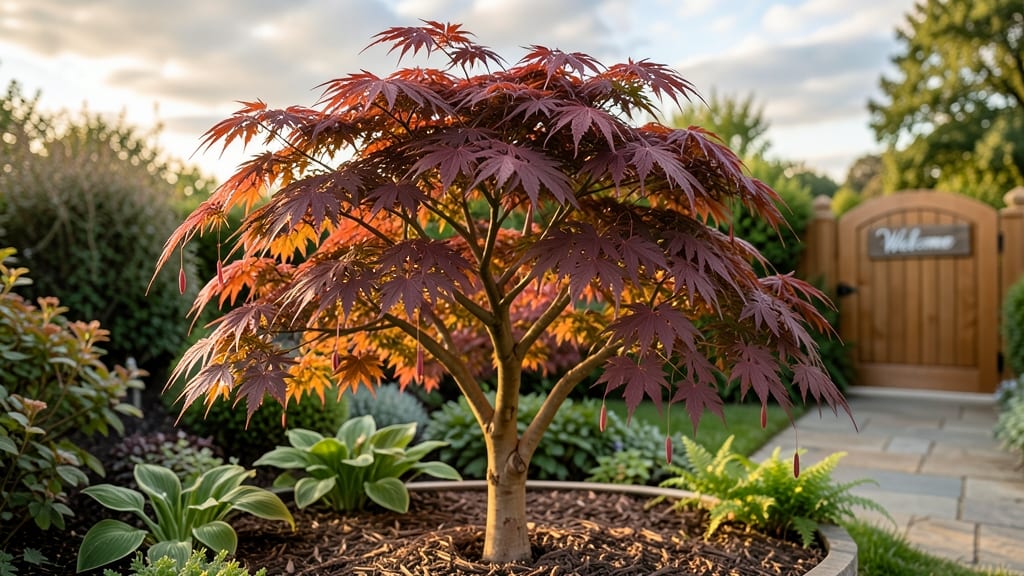
Seattle’s public gardens transform every season into a living postcard. 🌿 From the Japanese Garden’s moon gates to the Washington Park Arboretum’s towering evergreens, these spaces prove beauty thrives with minimal upkeep—just like your own backyard could.
The secret lies in Seattle’s climate: cool summers, mild winters, and abundant rain create the perfect canvas for lush, low-maintenance landscapes.
Year-round highlights include the Arboretum’s spring rhododendrons, summer hydrangeas, and fall foliage that rivals any New England landscape. The Seattle Japanese Garden offers serene Zen spaces with meticulously pruned maples and koi ponds that feel like stepping into another world.
These gardens aren’t just pretty—they’re educational goldmines, too, with free plant labels and expert-led tours on everything from native pollinators to drought-resistant landscaping.
What makes these gardens so inspiring? They prove textured layers—mossy rocks, fragrant shrubs, and sculptural trees—create depth without demanding hours of work. You’ll leave with ideas for your own space: how to mix evergreens for winter structure, or which perennials thrive in Seattle’s 6-7 zones with almost no fuss.
The best part? Many gardens host free workshops on sustainable gardening, so you can bring these techniques home.
Plan your visit around the cherry blossoms in April or the holly berries in December—both are magical, and both show how seasonal interest keeps gardens alive all year.
Pack a picnic, bring your camera, and let Seattle’s public gardens remind you that beauty and ease go hand in hand.
📚 In This Guide
- What you need
- Instructions
- Tips and common mistakes
- Wrapping up and next steps
What you need
- ● Native or drought-tolerant plants: 5–10 varieties (e.g., Heuchera, Sedum, or Salvia) to thrive in Seattle’s climate. Pro tip: Check with local nurseries like blank">Ballard Nursery for region-specific picks! 🌡️
- ● High-quality soil: 1–2 cubic yards of compost-amended topsoil (e.g., blank">Black Gold Natural & Organic) for nutrient-rich beds.
- ● Mulch: 2–3 bags of wood chips or bark mulch (3–4 inches deep) to retain moisture and suppress weeds.
- ○ Drip irrigation system: Optional but ideal for Seattle’s rainy/dry seasons. A basic DIY kit (e.g., blank">Rain Bird) covers 50–100 sq. ft.
- ● Hand trowel (for precision planting) + garden fork (for breaking soil).
- ● Wheelbarrow (1–2 cubic feet capacity) for hauling soil/mulch.
- ● Pruners (bypass type) and gloves (nitrile-coated for durability).
- ● Measuring tape (25 ft) and string (for layout).
- ● Public garden access: Verify rules for blank">Seattle Parks plots (some require permits or memberships).
- ● Weather check: Seattle’s best planting window is April–May or September–October. ☔✨
- ● Neighbor notifications: If planting near sidewalks or shared spaces, give heads-up to avoid conflicts!
- ● Trellises or obelisks (for climbing plants like Clematis or Morning Glory).
- ● Solar-powered lights (e.g., Govee) for evening ambiance.
- ● Birdhouses or bat boxes to attract pollinators and deter pests.
How to plan your perfect day in Seattle’s public gardens
Seattle’s public gardens offer year-round beauty with minimal effort—just bring curiosity and a light jacket.
🌿 Step 1: Start at the Washington Park Arboretum
The Arboretum is the crown jewel of Seattle’s garden scene, spanning 230 acres of meticulously curated landscapes. Begin at the Japanese Garden, where winding koi ponds and meticulously pruned maples create a serene atmosphere. The Conifer Collection is a must-see in spring, when Douglas firs and cedars burst into vibrant green, their needles rustling in the Pacific Northwest breeze.
Don’t miss the Azalea Collection, which peaks in late April to early May with thousands of blooms in shades of pink, purple, and white. The scent alone is worth the visit. Walk the Japanese Strolling Pond path—you’ll notice how the garden’s design guides you through seasonal highlights without a single signpost.
☀️ Step 2: Explore the Seattle Japanese Garden’s Hidden Gems
Just a short walk from the Arboretum, the Seattle Japanese Garden offers a quieter escape with its tea house, stone lanterns, and moon-viewing platform. The Wishing Tree near the entrance is a local tradition—leave a small wooden plaque with a hope or gratitude. The garden’s maple trees, particularly the five-trunked specimen, are legendary, their leaves turning fiery red in October.
Arrive by 10 AM to avoid crowds and catch the garden’s morning light filtering through the cedar boughs. The stone bridge over the koi pond is the perfect spot for a mid-morning pause—listen for the gentle plop of fish breaking the surface. Pro tip: The garden’s gift shop sells locally made ceramics and handcrafted fans, perfect for a small souvenir.
🌱 Step 3: Discover the Magic of the Chihuly Garden and Glass
No visit to Seattle’s gardens is complete without the Chihuly Garden and Glass, where vibrant glass sculptures blend seamlessly with lush greenery. The outdoor garden features glass chimes, flowers, and seaforms nestled among rhododendrons and ferns. The best time to visit is late afternoon, when the golden light enhances the glass’s colors—look for the giant glass tree near the entrance.
Don’t rush; the garden’s hidden pathways lead to unexpected views. The glasshouse (included with admission) showcases Chihuly’s glassblowing process—watch as artisans shape molten glass into intricate forms. If you’re visiting in June, time your trip for the Garden Lights festival, where the glass sculptures glow at night.
💧 Step 4: Relax at the Volunteer Park Conservatory
End your garden tour at the Volunteer Park Conservatory, a free tropical oasis just a few blocks from downtown. The 10,000-square-foot greenhouse is packed with orchids, bromeliads, and carnivorous plants—the Venus flytraps are especially lively after rain. The seasonal displays rotate monthly, so check the schedule for holiday-themed exhibits like their famous Christmas cactus in December.
The conservatory’s humidity and warmth make it a perfect respite from Seattle’s unpredictable weather. Sit on one of the wooden benches and watch the butterflies flutter among the ginger lilies. The gift shop sells rare orchid seeds and handmade terrariums—great for bringing a piece of the garden home.
⏰ Step 5: Time Your Visit for Seasonal Highlights
Seattle’s public gardens shine in every season, but each offers unique delights. In spring, prioritize the Arboretum’s rhododendrons and tulips; in summer, seek out the Japanese Garden’s wisteria (in full bloom by June). Autumn transforms the Arboretum’s conifers into a golden canopy, while winter brings the holiday lights at the conservatory and evergreen hedges dusted with frost.
Weekdays are ideal for avoiding crowds, but if you visit on Sunday afternoons, you might catch the Arboretum’s free guided tours (check the schedule for topics like "Native Plants of the Pacific Northwest"). Pack a light rain jacket—Seattle’s gardens are just as magical in drizzle, with moss-covered stones and glistening ferns adding extra charm.
Tips & tricks for exploring Seattle's public gardens like a local
These insider tips will help you maximize your experience of Seattle’s stunning public gardens without missing a single highlight.
Seasonal Timing is Everything: The instructions mention specific seasonal blooms like the azaleas in late April to early May and the wisteria in June, but here's what I've learned: Arrive 10-14 days before peak bloom times for the most vibrant colors. For example, if you're visiting the Arboretum's rhododendrons, aim for early April rather than waiting for the full May bloom. The garden's early morning light—especially on cloudy days—also enhances colors dramatically, making the first two hours after opening ideal for photography.
Hidden Pathways Reveal the Magic: While the main paths through the Japanese Garden and Chihuly Garden are stunning, the real treasures lie in the less-traveled routes. In Step 3, when exploring Chihuly Garden and Glass, take the narrow path that winds behind the giant glass tree—it leads to a quiet seating area with the best views of the glasshouse's reflection in the pond. Similarly, in the Japanese Garden, the path that loops around the tea house reveals a secluded stone lantern that's rarely photographed.
Weather-Proof Your Experience: Seattle's unpredictable weather can actually enhance your visit. The instructions mention packing a light rain jacket, but here's my game-changer: Bring a clear umbrella for sunny days—it creates beautiful light patterns on the moss-covered stones and ferns. I've also found that visiting on overcast days means fewer crowds at the conservatory, where the humidity creates a lush, tropical atmosphere without the summer heat.
Local Souvenirs with Meaning: The gift shops at each location offer unique keepsakes, but here's what I've discovered works best: At the Japanese Garden, look for handcrafted fans made from local cedar—these are lightweight yet durable, perfect for carrying on your next garden adventure. The conservatory's rare orchid seeds are another fantastic option, especially if you're a plant enthusiast. For something truly special, the Chihuly Garden's glass chimes make beautiful, functional decor that captures the essence of your visit.
Pro Tips for Public Gardens Seattle
- These insider tips will help you maximize your experience of Seattle’s stunning public gardens without missing a sing...
- Seasonal Timing is Everything: The instructions mention specific seasonal blooms like the azaleas in late April to ea...
- Hidden Pathways Reveal the Magic: While the main paths through the Japanese Garden and Chihuly Garden are stunning, t...
Frequently asked questions
Got questions about exploring Seattle’s stunning public gardens? You’re not alone! Here are answers to the most common queries to help you plan your visit with ease.
What are the best public gardens in Seattle for year-round beauty?
Seattle’s top picks include the Washington Park Arboretum (free, 230+ acres), Volunteer Park Conservatory (tropical vibes, $10 entry), and Discovery Park (ocean views + trails). For themed blooms, check out Seattle Japanese Garden (seasonal tickets) or Sibberston House Garden (private but open to tours).
When is the best time to visit public gardens in Seattle?
The spring (April–June) and fall (September–October) offer vibrant colors, while summer (July–August) brings lush greenery and evening events. Winter (December–February) is magical for holiday lights (like at the Arboretum) and evergreen forests. Weekdays are quieter than weekends—perfect for photography!
Are Seattle public gardens free, or do they charge admission?
Most are free, like the Arboretum and Discovery Park. Paid options include the Japanese Garden ($20–$25) and Conservatory ($10). Pro tip: Check for discount days (e.g., Seattle residents get 20% off the Japanese Garden on certain dates). Kids under 12 are often free!
Are public gardens in Seattle stroller-friendly?
Yes! Most gardens have paved paths, but some areas (like the Arboretum’s Forest Park) are steep. The Japanese Garden and Conservatory are fully accessible. Bring a compact umbrella stroller for uneven terrain. Bonus: Many gardens offer free rentals—call ahead to confirm.
What should I do if it rains during my garden visit?
Rain is part of Seattle’s charm! Covered spots include the Conservatory’s glasshouse (tropical escape!) and Japanese Garden’s pavilions. Pack a light rain jacket and waterproof shoes—many trails stay dry under canopy trees. Pro tip: Visit the Arboretum’s Visitor Center for indoor exhibits if needed.
How do I get to Seattle’s public gardens without a car?
Public transit works! The Arboretum is near the UW campus (Bus 49), while the Japanese Garden is a 15-minute walk from the International District (Bus 152). Bike rentals (like Lime or Spin) are great for short trips. Pro tip: Use King County Metro’s trip planner for real-time routes.
Wrapping up and next steps
Seattle’s public gardens offer a year-round escape into nature’s beauty—whether you’re seeking serene blooms, lush greenery, or a peaceful retreat.
With minimal effort, you can explore vibrant spaces like the Washington Park Arboretum or Volunteer Park Conservatory, proving that even urban dwellers can enjoy gardening’s rewards without the upkeep. 🌿
Ready to dive in? Start by visiting your favorite spot this weekend—bring a notebook to sketch your dream garden or simply soak in the inspiration. Nature’s magic is always within reach!