
Vegetables
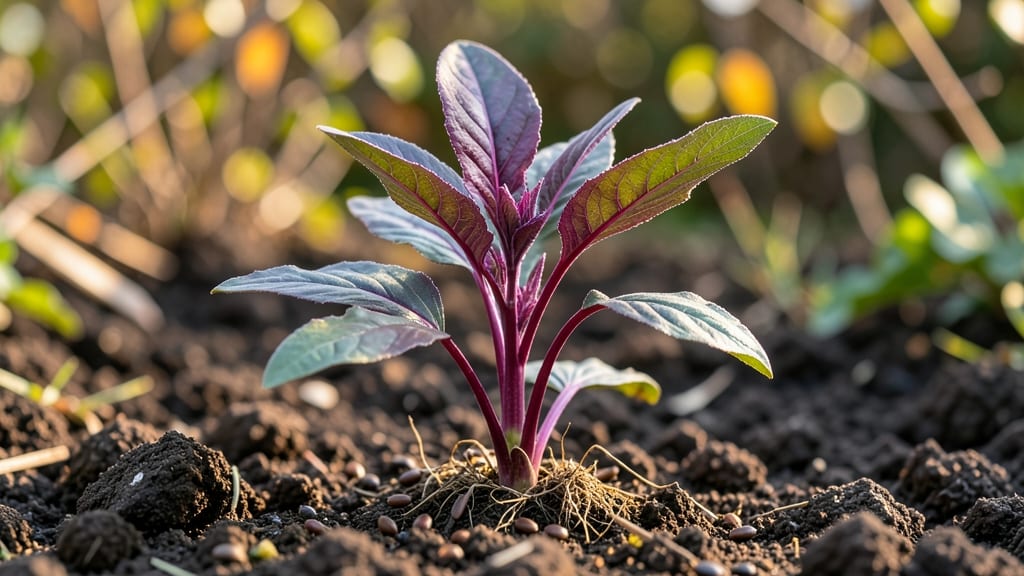
Growing purple amaranth seedlings starts with a 50-day head start indoors—those deep purple leaves won’t wait for spring. 🌱 I’ve learned the hard way that rushing germination or skipping light checks leads to leggy, weak plants that never recover.
The secret? Warm soil, patience, and a bright windowsill (or grow light) from day one. These seedlings thrive in well-draining soil mixed with compost—think loose, airy, and slightly sandy. Overwatering is the #1 killer, so let the top inch dry between waterings.
Space them 12 inches apart when transplanting, because amaranth grows fast and needs room to flex its bold foliage. By midsummer, you’ll have vibrant, foot-tall plants perfect for salads, stir-fries, or cutting gardens. The leaves stay tender longer than most greens, and the flowers attract pollinators like crazy.
Just watch for aphids—they love amaranth too. Works for both edible and ornamental gardens. Here’s how to keep them thriving from seed to harvest!
📚 In This Guide
- What you need
- Instructions
- Tips and common mistakes
- Wrapping up and next steps
What you need
- ● Purple amaranth seeds: 1–2 packets (50–100 seeds) of heirloom or organic varieties (e.g., ‘Black Centurion’ or ‘Purple Majesty’).
- ● Seedling trays or pots: 2–4 (4-inch diameter) with drainage holes, or a 1020-cell tray for mass starts.
- ● High-quality seedling mix: 1 bag (1–2 cubic feet) of sterile, well-draining potting soil (e.g., Pro-Mix or coco coir blend).
- ○ Organic compost: 1–2 cups for enriching soil (optional but recommended for nutrient boost).
- ● Spray bottle: 1 (for gentle watering).
- ● Grow lights or sunny windowsill: 1–2 LED grow lights (12–16 hours/day) or a south-facing window with 6+ hours of sunlight.
- ● Humidity dome or plastic wrap: 1 (to retain moisture during germination).
- ● Small hand trowel: 1 (for transplanting).
- ○ pH testing kit: 1 (optional; ideal soil pH: 6.0–7.0).
- ● Warmth: Indoor germination requires 70–80°F (21–27°C). Use a heat mat if needed.
- ● Patience: Germination takes 7–14 days (purple amaranth is a slow starter!).
- ● Space: Seedlings need 12+ inches apart once transplanted.
Step-by-Step guide to cultivating purple amaranth seedlings
Here's how I transform delicate purple amaranth seedlings into vibrant, perennial powerhouses.
🌱 Step 1: Start Seeds Indoors with Precision Timing
Purple amaranth thrives when started 8-10 weeks before last frost—earlier than most greens. Fill small seedling trays with sterile seed-starting mix and press seeds ¼ inch deep, spacing them 1 inch apart. The key here is warmth: cover trays with a plastic dome and place on a seedling heat mat set to 75-80°F.
Keep the soil consistently moist but never soggy—amaranth seeds rot when overwatered. You'll see first true leaves in 7-10 days, but don't be surprised if germination takes up to 14 days in cooler conditions. That's normal for this hardy crop.
☀️ Step 2: Provide High-Intensity Light Immediately
As soon as those first leaves appear, move seedlings under grow lights for 14-16 hours daily. Purple amaranth grows leggy fast without sufficient light, and those stretched stems never recover. Position lights 2-3 inches above seedlings and raise them weekly as plants grow.
Watch for deep purple stems—this indicates strong growth. If seedlings develop pale yellow leaves or stretch toward the light, you're not providing enough intensity. Supplemental lighting is non-negotiable for amaranth's bold color development.
🌿 Step 3: Harden Off and Transplant Strategically
Two weeks before transplanting, begin hardening off by placing seedlings outside in partial shade for 1-2 hours daily. Gradually increase exposure over 10-14 days, ending with full sun. Choose transplant day when temperatures are above 60°F—amaranth hates cold soil.
Space seedlings 12-18 inches apart in well-draining soil with compost worked in. The deeper the roots establish, the more drought-tolerant your plants become. Water deeply at transplanting to settle soil around roots, then let the soil dry slightly before watering again.
✂️ Step 4: Encourage Perennial Growth Through Pruning
Here's the secret to perennial amaranth: never harvest more than ⅓ of the plant at once. When stems reach 12 inches tall, pinch back the top growth to encourage bushier growth. This stimulates lateral branching that produces more harvestable leaves.
Watch for flower stalks—these signal maturity. If you want leaf production to continue, snip off flower buds immediately. For seed production, allow one stalk per plant to flower. Amaranth's vibrant purple hues intensify as plants mature, making it a stunning ornamental as well.
💧 Step 5: Maintain Through Season with Smart Watering
Established amaranth plants are remarkably drought-tolerant, but seedlings need consistent moisture. Water deeply every 2-3 days until plants show 4-6 true leaves. After that, water every 3-4 days, allowing top inch of soil to dry between waterings.
Mulch around plants with 2 inches of straw to retain moisture and prevent weeds. Purple amaranth's deep roots make it resilient, but mulching creates the ideal conditions for continuous growth. You'll know you're doing it right when plants develop thick, waxy leaves that repel pests naturally.
Tips & tricks for cultivating purple amaranth seedlings
Transforming these delicate seedlings into perennial powerhouses requires precision—here's how to avoid common pitfalls and maximize growth.
Heat Mat Precision: That 75-80°F heat mat temperature is non-negotiable for germination. I've found using a digital thermostat-controlled mat eliminates guesswork—amaranth seeds are sensitive to temperature fluctuations. If your home dips below 70°F at night, consider adding a small space heater near the trays during germination to maintain consistent warmth.
Lighting Strategy: The 14-16 hours of daily light in Step 2 isn't just about duration—it's about intensity. LED grow lights with a color spectrum of 6400K (cool white) work best for amaranth's purple pigment development. Position them just 2-3 inches above seedlings initially, then raise them weekly as plants grow. Watch for that telltale deep purple stem color—this confirms you're meeting their light requirements.
Transplanting Timing: When you're ready to transplant after that 10-14 day hardening off period, check soil temperature with a thermometer—it must be above 60°F at transplant time. I've learned the hard way that cooler soil causes transplant shock, even if air temperatures are warm. If your soil runs cold, wait an extra day or two rather than risking stunted growth.
Pruning Technique: That ⅓ harvest rule in Step 4 is crucial for perennial growth. When pinching back stems at 12 inches, use clean scissors and make cuts just above leaf nodes. I've found that pinching at a 45-degree angle prevents water from pooling on the cut, reducing disease risk. The resulting bushier plants produce more leaves and recover faster between harvests.
Pro Tips for Purple Amaranth Seedling
- Transforming these delicate seedlings into perennial powerhouses requires precision—here's how to avoid common pitfal...
- Heat Mat Precision: That 75-80°F heat mat temperature is non-negotiable for germination. I've found using a digital t...
- Lighting Strategy: The 14-16 hours of daily light in Step 2 isn't just about duration—it's about intensity. LED grow ...
Frequently asked questions
Got questions about growing purple amaranth seedlings? You’re not alone! Here are answers to the most common concerns—so you can confidently cultivate vibrant, productive plants.
How long does it take for purple amaranth seedlings to germinate?
Purple amaranth seeds typically sprout within 7–14 days under ideal conditions (warm soil, 70–85°F, and consistent moisture). For faster results, pre-soak seeds for 4–6 hours or use a heat mat. Patience is key—don’t overwater, as soggy soil can delay germination.
When is the best time to transplant purple amaranth seedlings outdoors?
Wait until after the last frost and soil temps stay above 50°F (10°C). Seedlings thrive in full sun, so transplant afternoon to reduce transplant shock. Harden them off for 5–7 days first—gradually expose them to outdoor conditions to boost resilience.
Can I grow purple amaranth from store-bought seeds, or do I need heirloom varieties?
Store-bought seeds (like ‘Purple Majesty’) work fine for seedlings, but heirloom or organic seeds may offer better flavor and disease resistance. Check labels for non-GMO or open-pollinated options if you plan to save seeds. Just avoid hybrid varieties if you want to replant!
What pests or diseases should I watch for in purple amaranth seedlings?
Keep an eye out for aphids, spider mites, and leaf miners—they love tender seedlings. Use neem oil or insecticidal soap for mild infestations. Fungal issues (like powdery mildew) thrive in humid conditions, so ensure good airflow and avoid overhead watering. Rotate crops yearly to prevent soil-borne problems.
Is purple amaranth a true perennial, or does it need replanting each year?
While some amaranth varieties are perennial in warm climates (Zones 9–11), most are treated as annuals. In cooler regions, replant seeds yearly for fresh growth. If you’re lucky enough to overwinter yours, mulch heavily and protect from frost to extend its life.
Wrapping up and next steps
Growing purple amaranth seedlings is a rewarding journey that brings vibrant color and nutritious harvests to your garden! With the right soil, sunlight, and care, you’ll enjoy lush, resilient plants that thrive year after year.
Whether you’re a seasoned gardener or just starting, these growth hacks make the process simple and exciting.
Now that you’re armed with tips and tricks, take the next step—plant those seedlings and watch your garden transform! Share your progress with fellow gardeners or experiment with new varieties. Happy growing! 🌱✨