
Vegetables
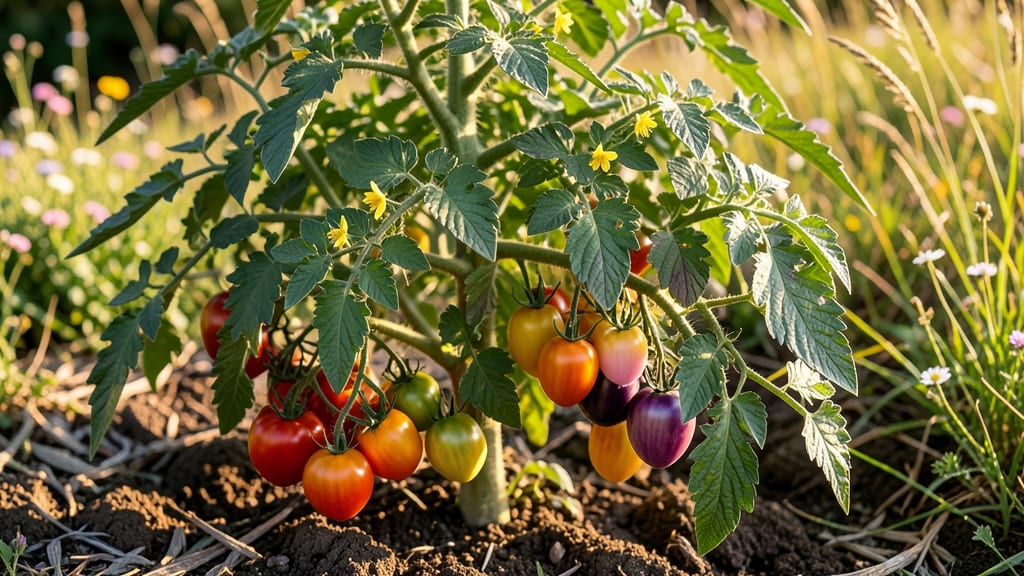
Growing a rainbow mix tomato garden means waking up to vibrant colors and flavors you won’t find in store-bought varieties. 🌈 These cold-hardy heirlooms thrive in cooler climates, producing sweet, colorful fruits from early spring through fall—no greenhouse required.
The secret lies in selecting the right mix of varieties and giving them consistent care, even when temperatures dip.
Start with well-draining soil rich in organic matter, and plant in full sun for at least 6-8 hours daily. Most rainbow mixes include cherry tomatoes, beefsteaks, and paste varieties, each needing slightly different spacing—check seed packets for specifics.
Water at the base to avoid fungal issues, and mulch heavily to protect roots from temperature swings. This is where beginners often trip up: too much water or shade stunts growth, while proper sunlight and moisture unlock those stunning colors.
By midsummer, you’ll be harvesting bursting, multicolored tomatoes that taste like summer in every bite. Prune suckers regularly to focus energy on fruit production, and fertilize lightly every 2-3 weeks with compost tea.
The payoff? A garden that stays productive long after store-bought tomatoes fade—and neighbors who’ll ask for your secrets.
Works in containers, raised beds, or in-ground plots, even in Zone 5 and below. The key is patience: these tomatoes reward consistency with longer harvests and deeper flavors than commercial varieties. Let’s get those seeds in the ground!
📚 In This Guide
- What you need
- Instructions
- Tips and common mistakes
- Wrapping up and next steps
What you need
- ● Rainbow Mix Tomato Seeds: 1 packet (typically 20-50 seeds) – Look for heirloom varieties like Rainbow Mix, Rainbow Cherry, or Rainbow Gold for cold-hardy options.
- ● Seed Starting Mix: 1 bag (1-2 cubic feet) – A sterile, well-draining potting mix (e.g., FoxFarm Ocean Forest or Espoma Seed Starting Mix).
- ● Containers or Seed Trays: For indoor starting: 4-6 small pots (3-4 inches deep) or a seed tray with cell inserts.
- ● For direct sowing (if climate permits): 1-2 gallon containers or 6-inch pots.
- ○ Grow Lights or Sunny Windowsill: A full-spectrum LED grow light (optional but helpful for indoor starts).
- ● Spray Bottle: For gentle watering of seeds.
- ● Hand Trowel or Transplanter: For moving seedlings.
- ● Pruning Shears: To trim suckers and shape plants.
- ● Garden Gloves: Protect your hands from thorns and soil.
- ○ Support Structures (Optional): Cages (5-6 ft tall) or stakes for indeterminate varieties.
- ● Trellis for vertical growth (if space is limited).
- ● Warmth: Indoor starts need a warmth mat (70-80°F) or a sunny windowsill.
- ● Outdoor Hardiness: Wait until nighttime temps stay above 50°F (or use row covers for early starts).
- ● Sunlight: 6-8+ hours of direct sun daily (or grow lights for indoor setups).
- ● Watering Can or Hose: With a gentle spray nozzle for seedlings.
Step-by-step instructions for planting and maintaining a rainbow mix tomato garden
Here's how to grow a thriving, cold-hardy tomato patch that delivers vibrant flavors and continuous harvests.
🌱 Step 1: Select and Prepare Your Cold-Hardy Varieties
Choose 4-6 cold-tolerant tomato varieties from your rainbow mix—look for early-maturing, disease-resistant types like 'Stupice,' 'Glacier,' or 'Mountain Merit.' These handle cooler temperatures better than traditional varieties. I always start with 4 plants to ensure diversity while keeping the garden manageable.
Soak seeds overnight in lukewarm water to soften the outer coating and speed germination. This is especially important for cold-hardy varieties, which often have tougher seed shells. Drain well before planting—waterlogged seeds rot instead of sprouting. Use biodegradable pots for each seed to avoid disturbing roots later.
🪴 Step 2: Prepare Soil and Plant with Proper Spacing
Amend your soil with 2-3 inches of compost and a balanced organic fertilizer (like 5-5-5) to give plants a nutrient boost. Cold-hardy tomatoes need well-draining soil—amend heavy clay with sand or perlite if needed. Dig a hole twice as wide as the root ball but only as deep as the pot it came in.
Plant seeds ½ inch deep in 6-inch pots filled with sterile seed-starting mix. Space them 18-24 inches apart—crowding invites disease and weakens plants. I always label varieties with toothpicks and markers to track which is which as they grow. Water gently after planting to settle the soil without disturbing seeds.
☀️ Step 3: Provide Warmth and Light for Germination
Keep soil at 70-80°F for germination—use a seedling heat mat if your space runs cooler. Place pots under grow lights (or in a south-facing window) for 14-16 hours of light daily. Without enough light, seedlings stretch toward the sun and become weak—you’ll see them lean or grow pale and leggy.
Once true leaves appear (not just the first cotyledons), remove the heat mat but keep lights close—2-3 inches above seedlings—until they reach 3-4 inches tall. At this stage, I start rotating pots a quarter turn daily to prevent them from growing lopsided toward the light.
💧 Step 4: Harden Off and Transplant Outdoors
Two weeks before your last frost date, begin hardening off seedlings by placing them outside in partial shade for 1-2 hours the first day. Gradually increase exposure over 7-10 days, ending with full sun. Cold-hardy tomatoes tolerate cooler temps better, but abrupt changes still shock them—watch for wilting or yellowing leaves as a sign to slow down.
Transplant after all danger of frost has passed and soil reaches 55°F. Bury stems deeply—up to ⅔ of the plant’s height—to encourage strong root growth. Mulch with 2-3 inches of straw to retain moisture and regulate soil temperature, which is critical for cold-hardy varieties.
✂️ Step 5: Prune, Support, and Maintain for Continuous Harvests
Install cages or stakes immediately after transplanting—tomatoes grow fast, and weak stems snap under fruit weight. Prune suckers (the small shoots in leaf axils) weekly to focus energy on fruit production. Cold-hardy varieties benefit from light pruning to prevent disease in humid conditions.
Water deeply at the base every 2-3 days, aiming for 1 inch of water per week. Avoid wetting leaves to prevent fungal diseases like blight. Harvest regularly—ripe tomatoes signal the plant to produce more. With cold-hardy varieties, you’ll get two harvest seasons: an early crop in spring and a late one in fall.
Tips & tricks for perfect rainbow mix tomato gardens
These cold-hardy varieties demand special attention—here's how to maximize your harvest while avoiding common pitfalls.
Seed Preparation: When soaking seeds overnight in lukewarm water, use a glass jar instead of a bowl to easily monitor water levels. The water should cover seeds by about ½ inch—any deeper risks waterlogging. I've found that adding a drop of hydrogen peroxide (3%) to the soaking water helps prevent fungal growth, especially important for cold-hardy varieties that take longer to germinate. Drain seeds thoroughly before planting—excess moisture creates anaerobic conditions that inhibit germination.
Soil Temperature Secret: Maintaining that 70-80°F soil temperature range for germination is crucial, but don't panic if your space runs cooler. A simple DIY heat mat made from a heating pad covered with aluminum foil works wonders—just place your seed pots on top. For cooler climates, consider using a seedling heat cable (available at garden centers) that can be buried just below the soil surface. Remember, cold-hardy varieties are tough, but they still need consistent warmth to break dormancy.
Light Management: Those 14-16 hours of daily light are non-negotiable for strong seedlings, but positioning matters just as much. Place your grow lights 2-3 inches above the seedlings and adjust as they grow—this prevents leggy, weak stems. I rotate my trays quarter turn daily to ensure even light exposure, which is especially important when growing multiple varieties that may have different growth rates. If using a south-facing window, rotate pots every 6 hours to prevent one-sided growth toward the light.
Transplanting Strategy: Burying stems up to ⅔ of their height when transplanting might seem counterintuitive, but it works wonders for cold-hardy varieties. This buried portion will develop additional roots, creating a stronger plant better equipped to handle cooler temperatures. After transplanting, water deeply to settle the soil and encourage root contact. I always add a handful of compost to the planting hole—this gives the roots an immediate nutrient boost as they establish in the new location.
Pro Tips for Rainbow Mix Tomato
- These cold-hardy varieties demand special attention—here's how to maximize your harvest while avoiding common pitfalls.
- Seed Preparation: When soaking seeds overnight in lukewarm water, use a glass jar instead of a bowl to easily monitor water levels.
- Soil Temperature Secret: Maintaining that 70-80°F soil temperature range for germination is crucial, but don't panic if your space runs cooler.
Frequently asked questions
Got questions about growing your own rainbow mix tomatoes?
You’re not alone! Here are answers to the most common queries to help you grow a vibrant, bountiful harvest with ease.
What’s the best way to plant rainbow mix tomato seeds?
Start seeds indoors 6-8 weeks before your last frost date, using seed-starting mix and a warm spot (70-80°F). Plant them ¼-inch deep in small pots, then transplant seedlings outdoors after hardening off (acclimating to outdoor temps for 7-10 days). Space them 18-24 inches apart in well-draining soil with full sun (6+ hours daily).
How long does it take for rainbow mix tomatoes to mature?
Most rainbow mix varieties mature in 70-85 days from transplanting, depending on the specific types included (like ‘Rainbow Cherry’ or ‘Sungold’). Check seed packets for exact days—some may fruit slightly earlier or later. Patience pays off with juicy, colorful tomatoes!
Can rainbow mix tomatoes survive cold weather?
Yes! Many rainbow mix varieties, like ‘Cherokee Purple’ or ‘Black Krim,’ are cold-hardy and can tolerate light frosts (28-32°F). For extra protection, use row covers or grow them in containers to move indoors during hard freezes. Mulching also helps insulate roots.
What if my rainbow mix tomatoes aren’t fruiting?
Check these common issues: Not enough sun? Move plants to sunnier spots. Poor pollination? Gently shake plants or hand-pollinate with a brush. Overwatering? Ensure soil drains well. Nutrient deficiency? Add compost or a balanced fertilizer (like 10-10-10). Heatwaves can also slow fruiting—provide shade cloth if temps exceed 90°F.
Are rainbow mix tomatoes easy to grow in containers?
Choose compact varieties like ‘Tiny Tim’ or ‘Patio Princess’ and use 5-gallon containers with drainage holes. Fill with potting mix rich in organic matter, and place in full sun. Water consistently (containers dry faster) and fertilize every 2-3 weeks. Just ensure containers are sturdy—tomatoes can get heavy!
Pro Tip:
Rotate your rainbow mix tomato plants yearly to prevent soil-borne diseases. Crop rotation keeps nutrients balanced and reduces pests naturally. Happy growing!
Wrapping up and next steps
Growing a rainbow mix tomato isn’t just about adding color to your garden—it’s about embracing variety, resilience, and year-round freshness!
Whether you’re a seasoned gardener or just starting, these cold-hardy varieties promise a rewarding harvest with minimal fuss. Now’s the perfect time to roll up your sleeves, grab those seeds, and turn your backyard into a vibrant tomato paradise!
Ready to take the next step? Start small—pick 2-3 varieties to experiment with, then expand as you gain confidence. Share your progress (and those stunning photos!) with fellow gardeners—you’ll inspire others to join the rainbow tomato revolution! 🌈🍅