
Vegetables
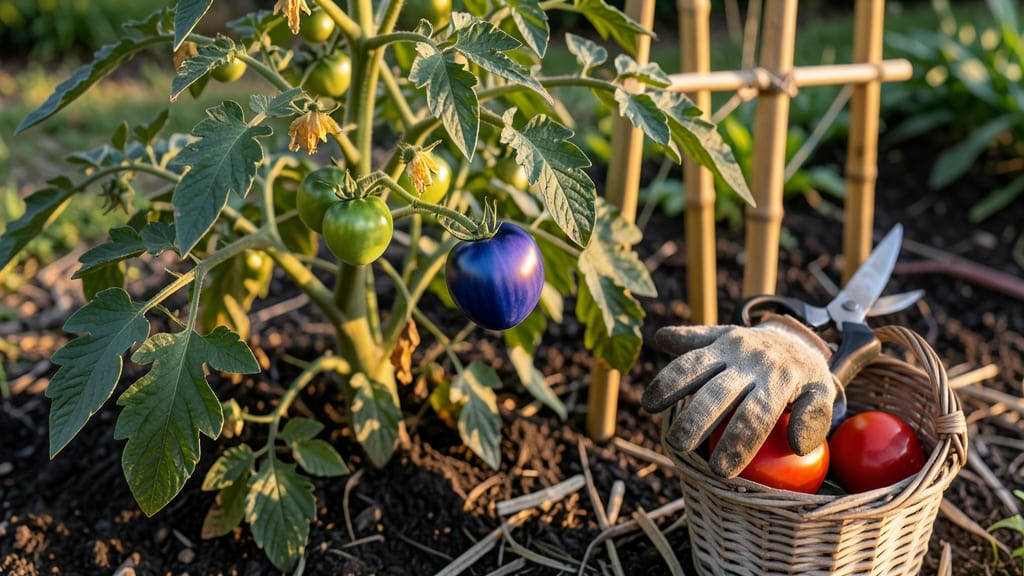
Growing real blue tomatoes changes everything about how you think of tomato harvests. 🌿 These aren't just purple-black fruits—they're heirloom varieties with deep, almost indigo hues that ripen to a stunning blue when fully mature, and they keep producing for years if you treat them right.
My first batch stunned neighbors so much they asked if I'd dyed them, but no magic was involved—just the right variety and a little patience.
The key to success starts with soil rich in organic matter and consistent moisture, since these tomatoes need steady hydration to develop their signature color. I've found that planting them in well-draining but moisture-retentive soil—like a mix of compost, coconut coir, and perlite—makes all the difference.
They thrive in full sun but appreciate afternoon shade in hotter climates, which prevents sunscald on the fruit.
By midsummer, you'll watch clusters of vibrant purple-black tomatoes transform into their true blue selves, with a flavor profile that's sweeter and more complex than red varieties.
The plants themselves are surprisingly hardy, with fewer disease issues than many heirlooms, and they reward you with perennial growth if you mulch well and protect them from late frosts.
Even if you've struggled with tomatoes before, these varieties forgive mistakes better than most—just avoid overwatering and give them space to breathe. The real magic happens when you slice one open and see that deep blue interior, knowing you grew it yourself without any shortcuts. Ready to try?
📚 In This Guide
- What you need
- Instructions
- Tips and common mistakes
- Wrapping up and next steps
What you need
- ● Seeds or seedlings: 1–2 packets of Solanum lycopersicum ‘Indigo Rose,’ ‘Black Krim,’ or ‘Purple Cherokee’ (choose a determinate variety for compact growth).
- ● Quantity: 3–5 seeds per pot (if starting indoors) or 1–2 seedlings per plant (if transplanting).
- ● Growing medium: High-quality potting mix (sterile, well-draining) or compost-enriched garden soil (pH 6.0–6.8).
- ○ Optional boost: 1 cup compost or worm castings per planting hole.
- ● Containers or garden space: 5-gallon pots (for containers) or 18–24" spacing in rows (for in-ground planting).
- ○ Optional: Raised beds or fabric pots (prevents soil-borne diseases).
- ● Support system: Cages (5–6 ft tall) or tomato stakes (6–8 ft) + twine.
- ● Watering supplies: Drip irrigation kit or watering can with a rose nozzle.
- ● Fertilizer: Balanced organic fertilizer (5-5-5 or 3-4-6) or liquid seaweed extract.
- ○ Optional: Slow-release granules (like Osmoote) for convenience.
- ● Pruning tools: Sharp bypass pruners (for trimming suckers and dead leaves).
- ● Climate: Full sun (6–8+ hours daily); hardiness zones 4–11 (use row covers in cooler zones).
- ● Timing: Start seeds indoors 6–8 weeks before last frost or direct-sow after soil reaches 60°F+.
- ● Transplant seedlings after danger of frost (or when soil is warm).
- ● Knowledge: Basic understanding of tomato pruning (to encourage fruit set).
- ○ Optional: Soil test kit (to check nutrient levels).
Step-by-step instructions for growing real blue tomatoes
Here's how to coax those stunning purple-black fruits from your garden—with minimal fuss.
🌱 Step 1: Select and Prepare the Perfect Spot
Real blue tomatoes (Solanum lycopersicum 'Indigo Rose' or S. lycopersicum 'Black Krim') thrive in full sun—at least 8 hours daily—and well-draining soil with a pH between 6.0 and 6.8. I always choose a location sheltered from strong winds, as their delicate vines can snap easily. If your soil is heavy clay, mix in 2-3 inches of compost before planting to improve drainage and fertility.
These tomatoes are perennial in USDA Zones 9-11, but most gardeners grow them as annuals in cooler climates. If you're in a frost-prone area, start seeds indoors 8-10 weeks before your last frost date—they germinate slowly and need warmth to break dormancy. Plant outdoors only after soil temperatures reach 60°F or higher to avoid stunted growth.
☀️ Step 2: Plant with Care and Support
Dig a hole twice as wide as the root ball but no deeper—burying too much can suffocate the stem. Gently loosen the roots if they’re circling and place the plant so the top of the root ball sits just below soil level. These tomatoes are indeterminate, meaning they’ll grow 6-10 feet tall, so install a sturdy cage or trellis at planting time. I use 8-foot bamboo stakes tied with soft twine to avoid damaging the vines.
Space plants 3-4 feet apart to allow airflow and prevent disease. Mulch around the base with 2-3 inches of straw or shredded leaves to retain moisture and suppress weeds. Water deeply right after planting to settle the soil and encourage root establishment. Avoid wetting the leaves—this reduces the risk of fungal diseases like early blight, which can turn fruit ugly.
💧 Step 3: Water and Feed for Maximum Color
Real blue tomatoes need consistent moisture—about 1-1.5 inches per week—but they hate soggy soil. Water at the base of the plant in the morning so foliage has time to dry before evening. I use a soaker hose to deliver water slowly and evenly, which prevents splashing and keeps the fruit clean. Yellowing leaves? That’s your cue to water more frequently.
Feed every 2-3 weeks with a balanced organic fertilizer (like 5-5-5) or a tomato-specific blend high in potassium to enhance fruit color and sweetness. I also top-dress with compost tea mid-season for a gentle nutrient boost. Stop fertilizing 4-6 weeks before harvest—this helps the plant focus on fruit development rather than foliage growth.
✂️ Step 4: Prune and Protect for Bountiful Harvests
Prune suckers—those little shoots that grow in the leaf axils—weekly to direct energy into fruit production. I pinch them off with my fingers rather than cutting to avoid damaging the stem. Remove any yellow or diseased leaves immediately to prevent the spread of pathogens. These tomatoes are prone to blossom end rot if calcium levels are low, so side-dress with crushed eggshells or apply a calcium nitrate spray if you notice dark, sunken spots on the fruit.
As the season progresses, trim back lower leaves to improve airflow and reduce humidity around the fruit. This also makes harvesting easier and keeps the plant’s energy focused on the upper canopy. Harvest when the fruit is fully colored and slightly soft to the touch—usually 70-85 days after transplanting. The deeper the purple-black hue, the sweeter and more complex the flavor.
⏰ Step 5: Overwintering (For Zones 9-11)
If you’re growing real blue tomatoes as perennials, cut back the foliage after your first frost and mulch heavily with 6-8 inches of straw or leaves to insulate the roots. Water sparingly during winter to prevent root rot. In Zone 10 and warmer, you can leave the plants in place—they’ll regrow in spring. In Zone 9, dig up the tubers in late fall, store them in a cool, dark place, and replant in early spring.
Real talk: These tomatoes are worth the effort. The first time you bite into a vibrant purple-black fruit with that deep, smoky-sweet flavor, you’ll understand why gardeners go crazy for them. Just remember—patience is key. They take a little longer to ripen than red varieties, but the wait is always worth it.
Tips & tricks for growing stunning purple-black tomatoes
These practical insights will help you coax the most vibrant, flavorful real blue tomatoes from your garden—without the common pitfalls.
Sunlight Secret: While 8 hours of sunlight is the minimum, these tomatoes reward you for more. If possible, aim for 10-12 hours daily, especially during their fruiting phase. I've noticed the deepest purple-black hues develop when plants get maximum light exposure. Position them where they'll receive morning sun and afternoon shade if your climate gets scorching—this prevents leaf scorch while maintaining fruit development.
Soil pH Precision: The 6.0-6.8 pH range isn't just a recommendation—it's critical for these tomatoes. Test your soil before planting and amend with lime to raise pH if needed (for acidic soils) or sulfur to lower it (for alkaline soils). I've seen blossom end rot disappear completely after adjusting pH in heavy clay soils. For maximum results, maintain this range throughout the growing season, especially when feeding with potassium-rich fertilizers.
Support System: Don't wait until the plants are tall to install support. These indeterminate varieties can grow 6-10 feet tall, and their vines are surprisingly delicate. I install my 8-foot bamboo stakes at planting time and gently tie the main stem with soft twine every 12 inches as it grows. This prevents stem breakage during wind storms and makes pruning easier later. The key is to use materials that won't damage the tender stems—avoid wire or anything that might cut into the plant.
Watering Wisdom: The 1-1.5 inches per week guideline is perfect, but timing matters just as much. Water deeply in the morning so the foliage has all day to dry before evening. I've found that using a soaker hose not only delivers water efficiently but also prevents the soil from becoming compacted around the roots. For container growers, ensure pots have drainage holes and never let them sit in saucers of water—real blue tomatoes hate soggy roots.
Pro Tips for Real Blue Tomatoes
- These practical insights will help you coax the most vibrant, flavorful real blue tomatoes from your garden—without t...
- Sunlight Secret: While 8 hours of sunlight is the minimum, these tomatoes reward you for more. If possible, aim for 1...
- Soil pH Precision: The 6.0-6.8 pH range isn't just a recommendation—it's critical for these tomatoes. Test your soil ...
Frequently asked questions
Got questions about growing real blue tomatoes? You’re not alone! Here are some of the most common queries—plus quick answers to help you cultivate these stunning, low-maintenance perennials with confidence.
Do real blue tomatoes actually turn blue?
Not quite! These tomatoes are purple-black when ripe, resembling deep indigo or even black—hence the "blue" nickname. Their rich color fades to a soft pink or red when cooked, making them a chef’s secret weapon for vibrant dishes.
How long does it take for real blue tomatoes to bear fruit?
Patience pays off! In ideal conditions (full sun, well-draining soil), expect your first fruits 60–90 days after transplanting. Since they’re perennials, they’ll produce more abundantly each year—with minimal effort.
Can I eat real blue tomatoes raw, or are they better cooked?
Both! Their flavor is milder and sweeter when raw, with a juicy texture. However, their color intensifies when cooked—perfect for sauces, salsas, or roasted dishes. Pro tip: Pair with basil to highlight their unique depth.
Are real blue tomatoes prone to pests or diseases?
They’re highly resistant to common tomato pests (like blight or aphids) thanks to their heirloom genetics. Still, watch for hornworms or whiteflies—handpick pests or use neem oil if needed. Their hardy nature means fewer headaches than traditional varieties!
Can I grow real blue tomatoes in containers or small spaces?
They thrive in 5-gallon containers or larger, with trellises to save space. Just ensure the pot has drainage and depth (12+ inches). Perfect for balconies, patios, or urban gardens—no yard required!
How do I overwinter real blue tomatoes?
These perennials are cold-hardy (USDA Zones 5–10). In colder climates, mulch heavily or cut back foliage to protect the roots. They’ll regrow in spring—no replanting needed! For potted plants, move indoors near a sunny window.
What’s the difference between real blue tomatoes and purple tomatoes?
While both are deep-colored, real blue tomatoes have a darker, almost black hue and a sweeter, less acidic taste. Purple tomatoes (like ‘Black Krim’) are tangier and often used for sauces. Try both to compare!
Wrapping up and next steps
Growing real blue tomatoes isn’t just about adding a pop of color to your garden—it’s about embracing nature’s quirks with confidence! These striking, zero-fuss perennials reward patience with vibrant purple-black fruit that’s as delicious as it is eye-catching.
Whether you’re a seasoned gardener or just starting out, the key is to experiment, observe, and enjoy the process.
Ready to dive in? Start small—plant a few seeds or seedlings this season and let curiosity guide you. Who knows? You might just uncover a new favorite variety that thrives in your unique growing conditions. Happy gardening! 🌱✨