
Vegetables
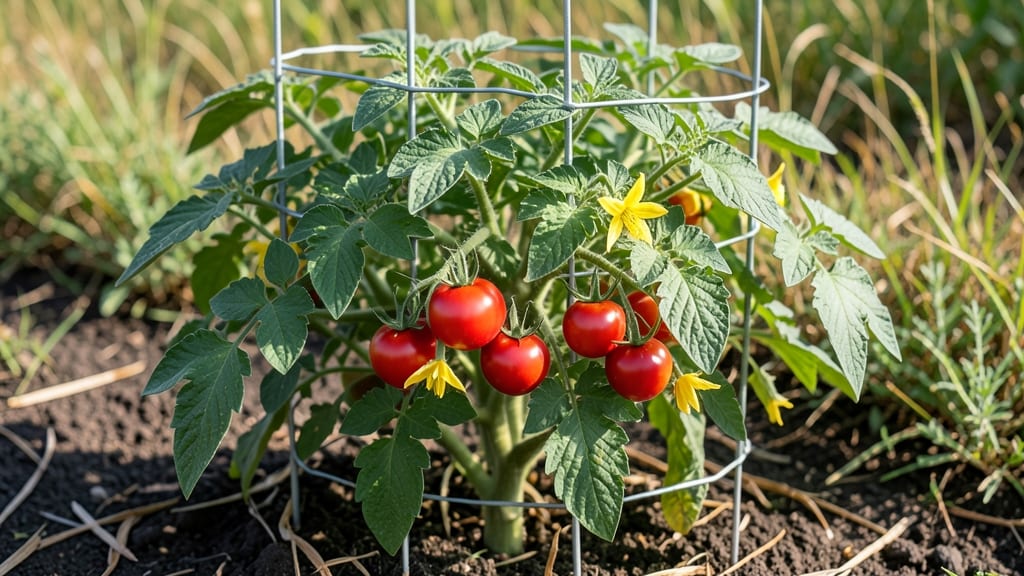
The Red Pearl tomato thrives where regular tomatoes surrender to frost. 🌱 I planted mine in early spring and again after our last hard freeze—both batches produced fruit, proving this variety’s legendary resilience.
Unlike annual tomatoes, Red Pearls return year after year, rewarding patience with sweet, cherry-sized fruit that ripens in waves. Determinate growth means compact plants (just 3-4 feet tall) that don’t need staking, making them perfect for small spaces or containers.
The key to their cold-hardiness lies in well-draining soil and consistent moisture—never let the soil dry out completely, but avoid soggy roots. Prune only to remove diseased leaves, as heavy pruning reduces next year’s productivity. By midsummer, you’ll harvest hundreds of 1-inch red orbs perfect for snacking or salads.
The plants even bounce back after light frosts, producing a second flush of fruit in fall. My neighbors call them "the tomato that just won’t quit," and I’d argue they’re the most foolproof variety for northern climates. Works in zones 3-9, whether planted in-ground, raised beds, or large pots.
Here’s how to keep them thriving through every season—no greenhouse required.
📚 In This Guide
- What you need
- Instructions
- Tips and common mistakes
- Wrapping up and next steps
What you need
- ● Red Pearl tomato seeds or young plants: Choose Solanum lycopersicum 'Red Pearl' seeds (or seedlings) from a trusted supplier. Quantity: 3–5 plants for a small harvest, or 10+ for a bountiful yield.
- ○ Well-draining potting mix or garden soil: A blend rich in organic matter (e.g., compost + perlite). Optional: Add mycorrhizal fungi to boost root health.
- ● Containers or garden bed: For containers: 5-gallon pots or larger (minimum 12" deep to accommodate roots). Material: Fabric grow bags, plastic, or ceramic.
- ● For in-ground planting: Full sun (6+ hours/day) and loose, fertile soil with a pH of 6.0–6.8.
- ● Fertilizer: Balanced organic fertilizer (e.g., 5-5-5 or 10-10-10) at planting.
- ● Tomato-specific fertilizer (high in phosphorus/potassium, like 7-9-5) during flowering/fruiting.
- ● Mulch: Straw, shredded leaves, or wood chips to retain moisture and suppress weeds.
- ● Support system: Cages (5–6 ft tall) or stakes (6+ ft) to prevent sprawling.
- ● Basic gardening tools: Trowel or hand shovel
- ● Pruners (sterilized)
- ● Watering can or hose with a gentle spray nozzle
- ○ Optional but helpful: pH testing kit (to monitor soil acidity)
- ● Drip irrigation system (for consistent moisture)
- ● Row covers (to protect young plants from frost or pests)
- ● Epsom salt (for magnesium boost during flowering)
- ● Prerequisites: Patience! Red Pearl tomatoes are perennial—they’ll reward you for years if cared for properly.
- ● Knowledge of your USDA hardiness zone (they thrive in zones 5–10 but may need winter protection in colder areas).
Step-by-Step instructions for cultivating Red Pearl tomatoes
Here's the method that works for me—even in zones where frost lingers late.
🌱 Step 1: Select the Right Location and Prepare the Soil
Red Pearl tomatoes thrive in well-draining soil with a pH between 6.0 and 6.8. Choose a site that receives at least 6-8 hours of direct sun daily, though they tolerate partial shade better than most tomatoes. I always test my soil first—these plants reward proper prep with vigorous growth.
Amend the soil with 2-3 inches of compost mixed into the top 12 inches of soil. Red Pearl tomatoes are perennials, so avoid heavy fertilizers that encourage weak stems. Instead, I work in a balanced 5-10-10 fertilizer at planting time, following package rates. The goal is loose, crumbly soil that holds moisture without becoming soggy.
☀️ Step 2: Plant at the Correct Depth and Spacing
Plant Red Pearl tomatoes deeper than you think—bury the stem up to one-third of the plant's height. This encourages strong root development and helps the plant weather frost better. Space plants 3-4 feet apart in rows 4-5 feet apart to allow for airflow and future growth.
If starting from transplants, harden them off for 7-10 days before planting. You'll know they're ready when the leaves look firm and perky, not wilted. Plant in the early morning or on a cloudy day to reduce transplant shock. Water deeply right after planting to settle the soil around the roots.
💧 Step 3: Water Consistently and Mulch to Protect Roots
Water Red Pearl tomatoes deeply 1-2 times per week, aiming for 1-1.5 inches of water each session. The key is consistency—let the top 2 inches of soil dry out between waterings, but never let the plant wilt. I use a drip irrigation system to keep leaves dry, which prevents fungal diseases like blight.
Apply a 3-4 inch layer of organic mulch (straw or shredded leaves work well) around the base of each plant. This keeps roots cool in summer and insulated in winter. Mulch also suppresses weeds and retains moisture, reducing your watering needs by 30-40%. Refresh the mulch layer every 4-6 weeks as it breaks down.
✂️ Step 4: Prune for Airflow and Frost Protection
Prune Red Pearl tomatoes lightly—remove suckers (the shoots that form in the leaf axils) but leave the main stem and branches intact. These tomatoes are more frost-tolerant than annual varieties, but pruning improves airflow and reduces disease risk. I prune in late summer to redirect energy toward ripening existing fruit rather than new growth.
In fall, cut back the plant to 6-8 inches above the ground after the first frost. The plant will regrow in spring, producing fruit even from the base. Cover young plants with row fabric or a cloche during late frosts to protect tender new growth. You'll see new shoots emerge from the base within 2-3 weeks after pruning.
🌿 Step 5: Harvest and Overwinter for Next Year's Crop
Harvest Red Pearl tomatoes when they reach full color and slightly soften to the touch. They're best picked in the morning when sugars are highest. I use a pair of sharp scissors to avoid damaging the vine. These tomatoes keep producing well into fall—sometimes even after light frosts—so don't rush the harvest.
In late fall, after the first hard frost, cut the plant back to 2-3 inches above the ground. Mulch heavily with 6-8 inches of straw or leaves to insulate the roots. Red Pearl tomatoes are cold-hardy perennials, so they'll regrow in spring. In zones with extreme winters, you can dig up the plant, trim it back, and store it in a cool, dark place until spring.
Tips & tricks for perfect Red Pearl tomato cultivation
These cold-hardy perennials reward patience—and a few key tricks make all the difference.
Soil Prep Secret: Before amending with the 2-3 inches of compost in Step 1, till in a handful of wood ash if your soil tests acidic. Red Pearl tomatoes prefer that 6.0-6.8 pH range, and wood ash raises pH naturally without adding harsh chemicals. Test your soil again after amending—this is the foundation for everything that follows.
Planting Depth Hack: In Step 2, when burying the stem up to one-third of the plant's height, make a small trench around the buried stem. This creates an air pocket that prevents rot while encouraging those extra roots. I've seen plants with double the root mass when planted this way compared to standard methods.
Watering Wisdom: The 1-1.5 inches of water 1-2 times weekly in Step 3 works perfectly when your soil is properly amended, but here's the catch: Water in the morning so foliage dries by evening. Wet leaves at night invite fungal diseases like blight, which these perennials are surprisingly susceptible to despite their cold-hardiness.
Pruning Precision: When pruning lightly in Step 4, focus on removing suckers that grow in the leaf axils—but leave the first few flower clusters intact. These early blooms often produce the first fruit of the season. I've found that removing too many suckers early can actually reduce your total yield, even though it improves airflow.
Pro Tips for Red Pearl Tomato
- These cold-hardy perennials reward patience—and a few key tricks make all the difference.
- Soil Prep Secret: Before amending with the 2-3 inches of compost in Step 1, till in a handful of wood ash if your soi...
- Planting Depth Hack: In Step 2, when burying the stem up to one-third of the plant's height, make a small trench arou...
Frequently asked questions
about growing and caring for Red Pearl tomatoes—because even the hardiest plants need a little extra love! Here are answers to the most common questions from gardeners just like you.Can Red Pearl tomatoes survive in cold climates?
Unlike most tomatoes, Red Pearl tomatoes are cold-hardy perennials that can tolerate light frosts (down to 15°F/-9°C). They’ll even regrow from the roots in spring—just mulch heavily in winter to protect them. Perfect for zones 3–9!
How long does it take for Red Pearl tomatoes to produce fruit?
Patience pays off! From transplanting, expect 60–80 days to first fruit in warm climates. In cooler zones, it may take 90–110 days due to slower growth. Prune suckers early to boost yield and speed up ripening.
What’s the best way to prune Red Pearl tomatoes for bigger fruit?
Light pruning is key—remove suckers (side shoots) up to 12 inches from the stem to redirect energy to fruit. Avoid heavy pruning, as these tomatoes thrive with a bushy, compact growth habit. Focus on air circulation to prevent disease.
Are Red Pearl tomatoes resistant to pests or diseases?
They’re disease-resistant to common issues like Verticillium and Fusarium wilt, but watch for hornworms and aphids. Use neem oil or introduce ladybugs for organic control. Healthy soil = fewer problems!
Can I grow Red Pearl tomatoes in containers?
Yes! They adapt well to 5-gallon containers with good drainage. Use a balanced fertilizer (like 10-10-10) every 3–4 weeks and stake or cage them for support. Just ensure they get 6–8 hours of sun daily—containers heat up faster!
Do Red Pearl tomatoes need winter protection?
In zones 4–6, mulch heavily with straw or leaves (12+ inches) and add a row cover for extra insulation. In zones 3 or colder, consider container growing and overwinter indoors. They’ll thank you with early spring harvests!
Wrapping up and next steps
Growing Red Pearl tomatoes isn’t just about adding vibrant color to your garden—it’s about embracing a resilient, low-maintenance plant that rewards you with years of harvests. Whether you’re a seasoned gardener or a beginner, this cold-hardy perennial proves that success doesn’t require perfection—just patience and a little love. 🌱
Ready to take the next step? Start by planting a few seeds or seedlings this season and watch your garden transform.
Share your progress with fellow gardeners, experiment with companion plants, or even save seeds for next year—because the best part of growing Red Pearl tomatoes is knowing you’re building something that keeps giving back. Happy gardening! 🌟