
Vegetables
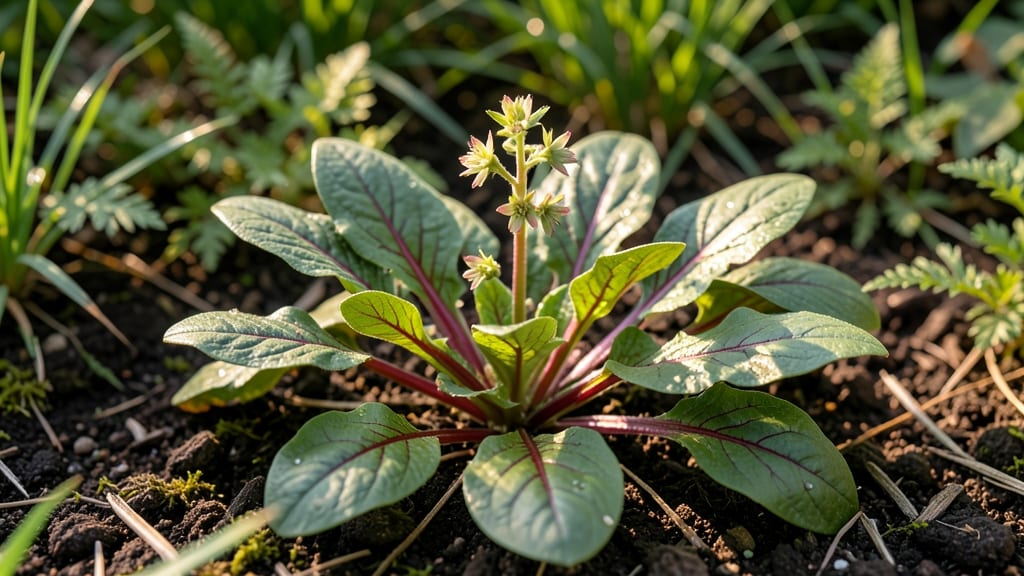
Red veined sorrel thrives where most plants refuse to grow—even through winter’s chill. 🌱 I’ve grown this striking perennial for years, and its deep red stems and tangy leaves make it a standout in any garden or kitchen.
Unlike common sorrel, this variety handles cold snaps like a champ, popping back up after frost with barely a pause. The secret to success? Well-draining soil and a spot with partial shade—it’s the perfect plant for shady corners where other vegetables struggle.
You can start from seed or divide mature plants, and once established, it spreads reliably without taking over. Harvest leaves anytime for a zesty addition to soups, salads, or pestos, or let it flower for a striking ornamental display.
What sets red veined sorrel apart is its dual-purpose nature: edible and eye-catching. The leaves stay tender even after frost, and the plant’s bold foliage adds drama to borders or containers.
For gardeners in zones 3-9, this is one of the most foolproof perennials to grow—just plant it, forget it, and enjoy the results. Here’s how to get started: whether you’re growing for food, beauty, or both, this guide covers everything from soil prep to harvesting tips.
Let’s make your garden—and your meals—more vibrant this season.
📚 In This Guide
- What you need
- Instructions
- Tips and common mistakes
- Wrapping up and next steps
What you need
- ● Red veined sorrel seeds or seedlings: 10–20 seeds (or 3–5 young plants) for a small patch; scale up for larger harvests.
- ● Well-draining soil: Mix equal parts garden soil, compost, and coarse sand (or perlite) for optimal aeration.
- ● Container or garden bed: Containers: 12–18" deep pots with drainage holes (1–2 plants per 12" pot).
- ● Garden beds: Full sun to partial shade (4–6 hours of sunlight daily); avoid waterlogged spots.
- ● Watering can or hose with a gentle spray nozzle: Sorrel prefers consistent moisture but hates soggy roots.
- ○ Mulch (optional but recommended): Straw, shredded leaves, or grass clippings to retain moisture and suppress weeds.
- ○ Gloves (optional): Protect your hands from soil and sorrel’s slightly acidic sap.
- ● Trowel or small shovel: For transplanting seedlings or digging soil.
- ○ pH testing kit (optional): Aim for soil pH 6.0–7.0; sorrel tolerates acidic conditions but thrives in neutral soil.
- ○ Fertilizer (optional): Balanced organic fertilizer (e.g., 5-5-5) or compost tea for a nutrient boost.
- ● Pruning shears: For harvesting leaves without damaging the plant.
Step-by-step instructions for growing red veined sorrel
Here's how to bring this vibrant, cold-hardy perennial back from the ground up—no fancy tools needed.
🌱 Step 1: Choose the Perfect Planting Spot
Red veined sorrel thrives in partial shade, where it gets 3-4 hours of morning sun and protection from harsh afternoon rays. I always pick a spot with moist, well-draining soil—this plant hates soggy roots but loves consistent moisture. If your soil drains poorly, mix in a handful of compost to improve aeration.
Sorrel spreads easily, so give it 12-18 inches of space between plants. If you're reviving an existing patch, clear away dead foliage but leave the roots—they’ll regrow quickly. Watch for leaf color: deep green with striking red veins means it’s happy; pale or yellowing leaves signal too much sun or dry soil.
💧 Step 2: Plant or Divide in Early Spring
For new plants, set them in the ground after the last frost when soil reaches 40°F. Dig a hole twice as wide as the root ball but no deeper—sorrel roots are shallow and sensitive to disturbance. Gently loosen the roots if they’re tightly bound, then place the plant in the hole and backfill with soil.
If you’re dividing an established clump, dig up a section with 3-4 healthy stems and replant it immediately. Water deeply right after planting to settle the soil and encourage root contact. You’ll know it’s settled when the soil surface looks firm but not compacted—like a well-trodden garden path.
☀️ Step 3: Water and Fertilize for Lush Growth
Keep the soil consistently moist but never waterlogged—sorrel’s roots need oxygen to thrive. Water at the base in the morning so leaves stay dry, reducing fungal risks. You’ll notice new growth within 2-3 weeks if conditions are right: tender, arrow-shaped leaves with those signature red veins.
Feed lightly with a balanced organic fertilizer (like 5-5-5) in early spring and again after harvesting. Too much nitrogen makes leaves soft and less tangy—this is a delicate balance. I skip fertilizer entirely in the second year unless leaves look weak or sparse.
✂️ Step 4: Harvest and Maintain Through the Seasons
Start harvesting outer leaves when plants reach 6 inches tall, leaving the center intact so it keeps growing. Cut just above a set of leaves to encourage bushier regrowth. The tangier the leaves, the more you’re harvesting—red veined sorrel’s flavor peaks in cool weather.
In late fall, cut back foliage to 2 inches above ground to protect the crown from harsh winters. Mulch lightly with straw to insulate roots. Sorrel’s hardy—it’ll bounce back in spring with even more vigor if you let it rest through winter.
Tips & tricks for perfect red veined sorrel revival
Real talk: Growing red veined sorrel is easier than you think, but these small details make all the difference between a struggling patch and a thriving garden favorite.
Sunlight Strategy: That 3-4 hours of morning sun is non-negotiable for vibrant red veins. I've found the sweet spot is east-facing beds where plants get gentle morning light but escape harsh afternoon heat. If your yard only offers full sun, try growing sorrel near taller plants that provide natural shade after 10 AM. The key is avoiding the midday sun—this plant wilts faster than you can say "oxalic acid."
Root Care Secret: When dividing clumps, focus on keeping those 3-4 healthy stems together—they share nutrients and recover faster. I've learned the hard way that smaller divisions struggle to establish. Also, resist the urge to bury the crown too deeply; sorrel roots are shallow and prefer to be just below soil level. Think of it like planting a delicate succulent, not a deep-rooted tree.
Fertilizer Wisdom: That 5-5-5 recommendation isn't arbitrary—it's about balance. Too much nitrogen (the first number) makes leaves soft and less tangy, which defeats the purpose of growing sorrel. I've had success using fish emulsion instead, applied at half-strength. The plants grow just as well but maintain that signature sharpness. And remember: no fertilizer after the first harvest unless leaves look pale or sparse.
Winter Prep: The 2-inch fall cutback is your insurance policy against winter kill. I've seen sorrel survive -20°F winters with this protection, but without it, even hardy plants can struggle. Add a 2-inch layer of straw mulch after cutting back—this creates an insulating blanket that keeps roots from freezing. Think of it like dressing your plant for winter hibernation.
Pro Tips for Red Veined Sorrel
- Real talk: Growing red veined sorrel is easier than you think, but these small details make all the difference between a struggling patch and a thriving garden favorite.
- Sunlight Strategy: That 3-4 hours of morning sun is non-negotiable for vibrant red veins.
- Root Care Secret: When dividing clumps, focus on keeping those 3-4 healthy stems together—they share nutrients and recover faster.
Frequently asked questions
Got questions about growing red veined sorrel? You’re not alone!
Here are some of the most common queries—plus quick answers to help you cultivate this tangy, cold-hardy green with confidence.
Can red veined sorrel survive winter?
This hardy perennial thrives in cold climates (USDA zones 3-9) and often reappears in early spring after a frost. In fact, a light freeze can even sweeten its flavor. Just mulch heavily in late fall to protect it from extreme cold or heavy snow.
How long does it take for red veined sorrel to grow?
You’ll see baby leaves in 3-4 weeks from seed, but full harvest-ready plants take about 6-8 weeks. If starting from cuttings, expect new growth within 2-3 weeks. Patience pays off—it’s a slow but steady grower!
Is red veined sorrel the same as regular sorrel?
Not quite! While both are leafy greens with a tangy kick, red veined sorrel (Rumex sanguineus) has striking deep red veins and a milder, slightly sweeter taste. Regular sorrel (Rumex acetosa) is more acidic and lacks the vibrant coloring. Swap them 1:1 in recipes!
Why is my sorrel turning yellow or wilted?
Yellowing leaves often signal overwatering or nutrient deficiency (like nitrogen). Wilting? Check for underwatering or root rot (common in soggy soil). Ensure well-draining soil and water only when the top inch feels dry. A balanced organic fertilizer can revive it too!
What’s a good substitute if I can’t grow sorrel?
Need a tangy swap? Try spinach (milder), puckery greens like arugula, or even lemon juice + chives for a quick fix. For a closer flavor, wood sorrel (Oxalis spp.) is a wild alternative—but always forage responsibly!
Still stumped? Drop your sorrel struggles in the comments—we’ve got the dirt on troubleshooting!
Wrapping up and next steps
Red veined sorrel isn’t just a hardy, low-maintenance perennial—it’s a nutrient-packed powerhouse that thrives in cold climates and adds a tangy punch to your garden and kitchen! 🌱 Whether you’re a seasoned gardener or a curious beginner, its resilience and versatility make it a must-try.
With just a few simple steps, you can enjoy fresh, homegrown sorrel all season long.
Ready to revive your garden with this cold-loving perennial? Grab your seeds, pick a sunny spot, and start growing—your taste buds (and your plants!) will thank you. Next up: Try swapping it into your favorite soups, salads, or pestos for a zesty twist! 🌿