
Vegetables
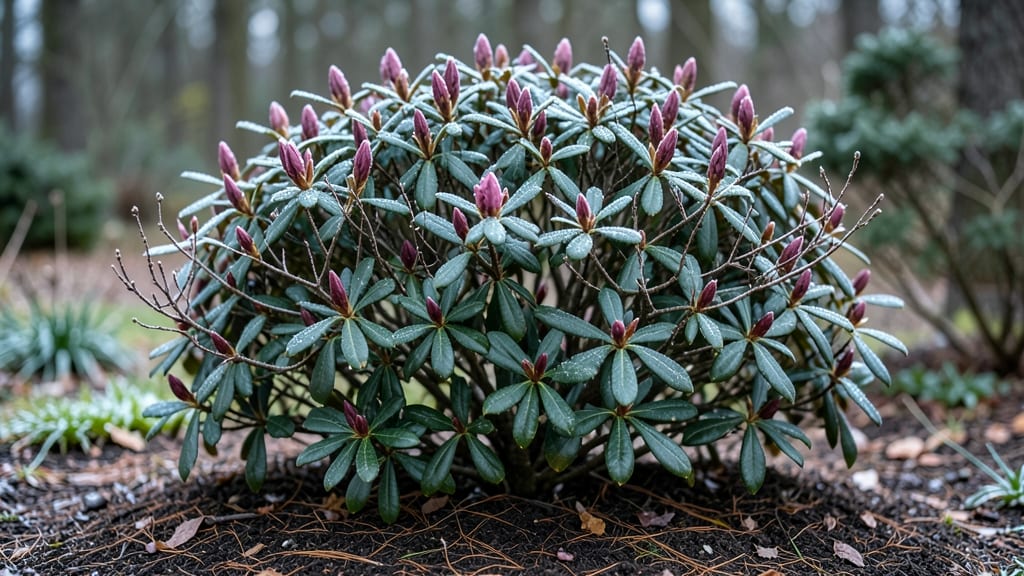
Rhododendron PJM winter care starts with knowing this shrub handles cold like a champ—down to -25°F without flinching. 🌿 I’ve watched mine stand tall through brutal winters, their evergreen leaves staying vibrant even when snow blankets the ground.
The secret isn’t fancy—it’s understanding how to prep the soil, prune at the right time, and avoid common winter mistakes that turn tough shrubs into sad, brown skeletons.
This shrub thrives in acidic, well-draining soil—think pine needles or peat moss mixed in. Mulch heavily in late fall with 3-4 inches of organic matter to insulate roots, but avoid piling mulch against the trunk. Pruning?
Wait until late spring or early summer after the new growth appears, never in winter when the plant is dormant. The goal is to shape it lightly, never cutting more than 1/3 of the plant at once.
What you’ll end up with is a low-maintenance, year-round focal point that outshines most shrubs in your neighborhood. The dark green leaves contrast beautifully with spring blooms, and the structure holds up through wind, snow, and even ice storms.
Just avoid heavy-handed pruning in winter—dormant branches are more vulnerable to damage, and the plant needs all its energy stored for spring.
Works beautifully in zones 3-7, whether you’re in a cold northern climate or a high-altitude garden. The key is patience—give it time to establish roots before expecting peak performance. Once settled, it’s the kind of shrub that makes you forget you’re even gardening.
📚 In This Guide
- What you need
- Instructions
- Tips and common mistakes
- Wrapping up and next steps
What you need
- ● Pruning shears or loppers: Sharp, clean tools (bypass pruners work best). Quantity: 1 pair.
- ● Garden gloves: Heavy-duty, cut-resistant gloves (e.g., leather or reinforced fabric). Quantity: 1 pair.
- ● Mulch: Organic mulch like pine straw, shredded bark, or compost (3–4 inches thick). Quantity: Enough to cover the root zone (typically 3–5 gallons per shrub).
- ● Watering can or hose: For final watering before winter (if soil isn’t already moist).
- ○ Burlap or frost cloth: Breathable fabric to wrap young or newly planted shrubs (optional but helpful for extra protection). Quantity: Enough to wrap snugly around the shrub.
- ● Anti-desiccant spray: Wax-based spray (e.g., Wilt-Pruf) to protect foliage from drying winds. Quantity: 1 small spray bottle.
- ● Garden twine: For securing burlap or frost cloth around the shrub. Quantity: 1 small roll.
- ● Soil moisture meter: To check if the root zone is adequately hydrated before winter. Quantity: 1 unit.
- ● Slow-release fertilizer: Balanced, low-nitrogen fertilizer (e.g., 10-10-10) for early spring feeding. Quantity: Small bag (5–10 lbs).
Step-by-step guide to planting and caring for rhododendron PJM winter
This cold-hardy shrub is a standout for its resilience and beauty—here’s how to set it up for long-term success.
🌱 Step 1: Choose the Right Location and Soil
Rhododendron PJM thrives in partial shade to full shade—morning sun with afternoon shade works best in warmer climates. Avoid harsh afternoon rays, which can scorch leaves. The soil must be acidic (pH 4.5-6.0) and rich in organic matter. Test your soil first; if it’s alkaline, amend with sulfur or peat moss before planting.
Dig a hole twice as wide as the root ball but no deeper. Loosen the roots slightly if they’re tightly bound, and place the shrub so the top of the root ball sits 1 inch above ground level. This prevents waterlogging, which PJM hates. I always mix the excavated soil with compost or pine bark fines to improve drainage and acidity.
💧 Step 2: Water Deeply and Mulch Properly
After planting, water deeply to settle the soil around the roots—aim for 1-2 gallons per plant. Keep the soil evenly moist but not soggy for the first 4-6 weeks while roots establish. Overwatering is the #1 killer of new rhododendrons. You’ll know it’s right when the top 2 inches of soil feel damp but not wet.
Spread 3-4 inches of mulch (pine straw or bark) over the root zone, keeping it 6 inches away from the trunk. Mulch retains moisture, regulates soil temperature, and slowly acidifies the soil. Replenish mulch annually—it breaks down quickly and loses effectiveness.
☀️ Step 3: Prune for Shape and Health
PJM rhododendrons bloom on old wood, so prune right after flowering (late spring to early summer). Remove dead, crossing, or weak branches first—cut back to a healthy bud or lateral branch. For shaping, trim no more than 1/3 of the plant in one season to avoid stress.
Use clean, sharp pruners to make cuts at a 45-degree angle just above a leaf node. Avoid heavy pruning in fall or winter, as new growth won’t harden off before cold snaps. I like to step back and admire the shape after pruning—it’s amazing how much fuller the shrub looks with just a few strategic cuts.
✂️ Step 4: Fertilize and Prepare for Winter
Feed PJM in early spring with an acid-loving shrub fertilizer (look for one with low phosphorus). Follow package rates—over-fertilizing leads to weak growth and fewer blooms. Water thoroughly after applying fertilizer to prevent root burn. I also add a thin layer of compost around the base in spring to boost soil health naturally.
In late fall, apply 2-3 inches of mulch to insulate roots from freezing temperatures. PJM is cold-hardy (USDA Zones 3-8), but young plants benefit from extra protection. Avoid heavy pruning in winter—wait until spring to assess damage from frost. Most PJM shrubs bounce back beautifully with minimal intervention.
⏰ Step 5: Monitor and Maintain Year-Round
Check for aphids or spider mites in early summer—these pests love rhododendrons. Spray with neem oil or insecticidal soap if you spot sticky residue or webbing. PJM is generally pest-resistant, but stressed plants attract problems. Keep an eye on leaf edges—brown tips often signal too much sun or alkaline soil.
Every 2-3 years, top-dress the soil with 1-2 inches of compost to replenish nutrients. PJM shrubs live for decades, so long-term care pays off. I mark my calendar to check soil pH every 3 years—if it creeps above 6.0, amend with elemental sulfur to keep it acidic. A happy PJM rewards you with vibrant blooms and lush foliage for years.
Tips & tricks for perfect rhododendron PJM winter care
These simple strategies will help your PJM rhododendron thrive for decades with minimal effort.
Soil Preparation Secret: Before planting, mix the excavated soil with equal parts compost and pine bark fines—this creates an ideal acidic environment right from the start. I’ve found that pre-mixing prevents the need for later amendments and gives roots an immediate nutrient boost. The key is to maintain that 4.5-6.0 pH range; even a slight shift above 6.0 can stunt growth. Test your soil annually if you notice yellowing leaves.
Watering Wisdom: The 4-6 week establishment period is critical—don’t skip it! After planting, I use a moisture meter to verify the top 2 inches of soil are consistently damp but not saturated. A common mistake is overwatering during this phase; soggy soil leads to root rot. For established plants, water deeply once a week during dry spells, allowing the top 1 inch of soil to dry between waterings. Mulch helps regulate this perfectly.
Pruning Precision: When shaping your PJM in Step 3, focus on 3 key cuts: removing deadwood, thinning crowded branches, and refining the silhouette. I always prune just above a leaf node at a 45-degree angle—this encourages new growth while maintaining the plant’s natural form. Avoid cutting into old wood, as PJM blooms on last year’s growth. Pro tip: Step back frequently to assess symmetry; you’ll notice how much more balanced the plant looks after just a few strategic cuts.
Winter Protection: The 2-3 inches of mulch in late fall isn’t just for insulation—it also prevents soil temperature fluctuations that stress roots. I’ve seen PJM shrubs in Zone 4 survive winters with just this protection, but for extra security, wrap young plants in burlap during extreme cold snaps. Remove mulch in early spring to avoid suffocating new growth, but leave it in place until temperatures consistently stay above freezing.
Pro Tips for Rhododendron Pjm Winter
- These simple strategies will help your PJM rhododendron thrive for decades with minimal effort.
- Soil Preparation Secret: Before planting, mix the excavated soil with equal parts compost and pine bark fines—this cr...
- Watering Wisdom: The 4-6 week establishment period is critical—don’t skip it! After planting, I use a moisture meter ...
Frequently asked questions
Got questions about keeping your Rhododendron PJM happy through winter? We’ve got answers!
Whether you’re a new plant parent or a seasoned gardener, these FAQs will help you protect your cold-hardy shrub and enjoy its stunning blooms year after year.
How cold can Rhododendron PJM tolerate?
The Rhododendron PJM is one of the toughest rhododendrons, surviving temperatures as low as -25°F (-32°C) with proper care. However, young plants or those in exposed areas may need extra mulch or wind protection during extreme cold snaps.
Should I prune my PJM rhododendron in winter?
Winter is actually a great time to prune—just avoid doing it during freezing temperatures. Trim back dead or overgrown branches to encourage bushier growth and better airflow. Pro tip: Use clean, sharp shears and sterilize them with rubbing alcohol to prevent disease.
Do I need to water my PJM rhododendron in winter?
Generally, no, unless your area experiences drought-like conditions or you’re in a region with little snow cover. PJM rhododendrons are drought-tolerant once established, but a light watering during prolonged dry spells (especially in containers) won’t hurt.
Are PJM rhododendrons deer-resistant?
While not fully deer-proof, PJM rhododendrons are less appealing to deer than many other plants due to their tough leaves. For extra protection, consider deer repellent sprays or planting them near deer-resistant companions like boxwoods or hellebores.
Can I plant a PJM rhododendron in late fall or winter?
Yes! Late fall or early winter (before the ground freezes) is actually an ideal time to plant because the cold helps establish roots before spring growth. Just make sure to water thoroughly before the first hard freeze and add a thick layer of mulch for insulation.
Wrapping up and next steps
Caring for your Rhododendron PJM through winter is all about preparation, protection, and a little patience—because the rewards are worth it! 🌿 With its stunning blooms and cold-hardy nature, this shrub proves that winter doesn’t have to mean dormancy.
Start by giving your PJM the right conditions now, and you’ll be greeted by vibrant spring growth and years of beauty.
Ready to make next winter even easier? Plan ahead:
- 📅 Mark your calendar for late fall mulching and winter checks.
- 🌱 Consider companion plants to boost its resilience.
- 📝 Jot down what worked (or didn’t) this season for future tweaks.