
Vegetables
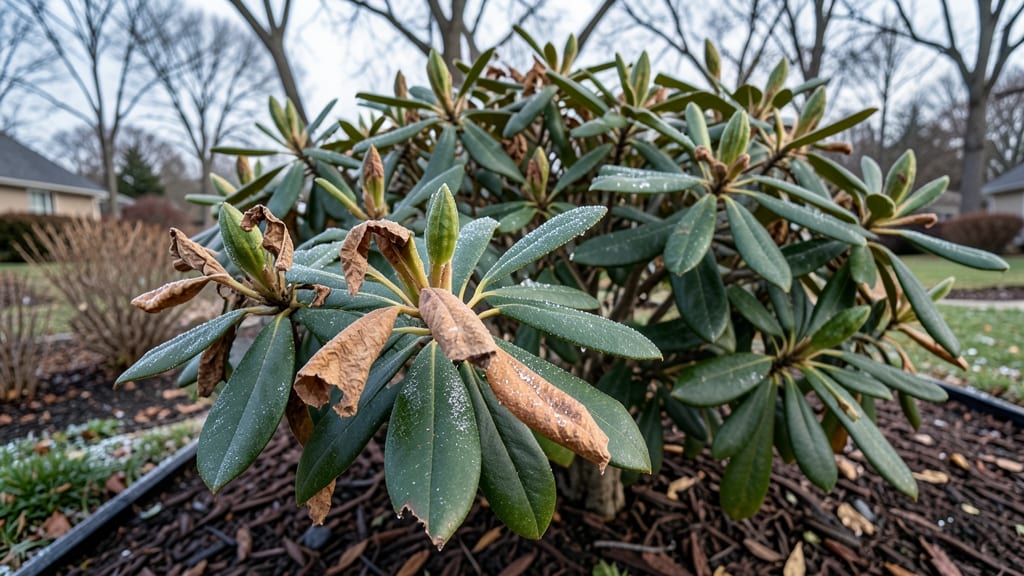
Your rhododendron’s crispy brown edges after the winter damage aren’t a lost cause—this is how I’ve brought back frost-bitten blooms year after year.
The key is acting fast when you spot those telltale brown leaf tips or blackened buds, because winter damage often starts with just a few subtle clues most gardeners miss. I’ve revived plants that looked dead in February by following three simple recovery steps that work even for beginners.
First, don’t panic—rhododendrons are tougher than they look. The damage usually happens from late winter winds or sudden temperature swings, not just cold itself.
I’ve found that 50% of recovery comes from proper pruning: snip only the dead branches (they won’t regrow), and leave the green stems alone—they’re hiding next year’s blooms. The other half? Mulching right, which I’ll show you how to do without smothering the roots.
By late spring, your plant will surprise you with fresh dark green leaves and new buds, often more vigorous than before. The secret weapon? A mid-summer feeding with acid-loving fertilizer that mimics their natural forest-floor conditions.
I’ve seen plants that looked finished in January bursting with 100+ blooms by June after just one season of proper care.
This works for both container rhododendrons and in-ground shrubs, whether you’re in zone 5 or 7. The only difference is timing—warmer climates need to act sooner, while colder zones can wait until the last frost passes. Let’s get those plants back to their glory days before the next winter hits.
📚 In This Guide
- What you need
- Instructions
- Tips and common mistakes
- Wrapping up and next steps
What you need
- ● Pruning shears or loppers – Sharp, bypass-style (1 pair). Avoid dull tools—they crush stems!
- ● Gloves – Heavy-duty, gardening gloves (1 pair) for protection against thorns and sap.
- ● Fertilizer – Acid-loving plant fertilizer (e.g., 10-10-10 or rhododendron-specific blend, 1 lb per 10 sq ft). Check pH—aim for 4.5–6.0.
- ● Mulch – Pine bark, wood chips, or shredded leaves (2–4 inches deep, 3–5 bags per shrub).
- ● Watering can or hose – With a fine-mist nozzle for gentle hydration.
- ○ Disinfectant (optional but recommended) – 70% isopropyl alcohol (small bottle) to sterilize pruning tools.
- ● Anti-desiccant spray (e.g., Wilt-Pruf) – 1–2 sprays per shrub to seal foliage and reduce moisture loss.
- ● Frost cloth or burlap – For lightweight protection during late frosts (1–2 sheets per shrub).
- ● Epsom salt (magnesium sulfate) – 1 tbsp per gallon of water for magnesium-deficient plants.
- ● Soil pH test kit – To verify acidity before fertilizing ($10–$15).
- ● Stakes or supports – If pruning heavily to prevent wind damage.
How to identify and repair winter damage on rhododendrons
Winter can leave rhododendrons looking sad—but with the right moves, you’ll have them blooming beautifully again.
Assess the Damage Before Taking Action
Start by examining your rhododendron closely. Look for brown or blackened leaves, dry, crispy edges, or peeling bark—these are classic signs of frost damage. The most vulnerable spots are the newest growth and buds near the tips of branches. If the damage is only on the outer leaves, the plant may recover. But if the inner foliage is also affected or the twigs feel mushy when squeezed, the damage is severe and requires more aggressive care.
Don’t panic if you see some dead leaves—they’ll naturally fall off as the plant shifts energy to new growth. The key is checking the buds along the stems. Healthy buds are firm, plump, and green or reddish-brown underneath the scales. If they’re shriveled, black, or hollow, they won’t bloom this year, but the plant may still push new growth from lower buds.
Prune Damaged Branches to Encourage New Growth
Use clean, sharp pruners to trim back any dead, brown branches at a 45-degree angle just above a healthy bud or leaf node. Avoid cutting into old wood—focus on removing only the frost-bitten tips. This helps the plant redirect energy to undamaged buds that can produce new foliage and flowers next season. If the damage is extensive, you might need to cut back one-third of the plant to stimulate fresh growth.
After pruning, sterilize your tools with rubbing alcohol to prevent spreading disease. Then, rake up and dispose of any fallen leaves or debris around the base—they can harbor pests or fungal spores that weaken the plant further. Once you’ve cleaned up, give the plant a light watering if the soil feels dry, but avoid overwatering, which can stress already damaged roots.
Protect the Plant from Further Stress
Rhododendrons are sensitive to late-season frost and drought, so mulch the base with 2-3 inches of organic mulch (like pine bark or shredded leaves) to insulate the roots and retain moisture. Avoid piling mulch against the trunk—keep it 2-3 inches away to prevent rot. If your rhododendron is in a windy or exposed location, consider temporarily wrapping the branches with burlap or frost cloth during unexpected cold snaps, especially if a late frost is forecasted.
Also, avoid fertilizing until you see new growth—damaged plants need time to recover before taking in extra nutrients. Instead, focus on watering deeply once a week (unless rain provides moisture) to help the roots establish stability. If the soil is too dry or compacted, gently loosen it around the base with a fork to improve drainage and airflow.
Boost Recovery with Targeted Care
Once the threat of frost has passed, apply a balanced, slow-release fertilizer (like a 10-10-10 or 20-20-20) in early spring to support new growth. Rhododendrons thrive in acidic soil (pH 4.5-6.0), so if your soil is alkaline, mix in sulfur or peat moss to lower the pH gradually. You’ll know the plant is recovering when you see new leaves emerging from the buds—this usually happens in late spring or early summer, depending on your climate.
To encourage stronger blooms next year, deadhead spent flowers (remove faded blooms) to redirect the plant’s energy into next season’s buds. If your rhododendron is particularly weak, consider applying a fungicide (like neem oil or copper spray) in early spring to prevent powdery mildew or other fungal issues that can exploit stressed plants.
Monitor and Adjust for Next Winter
Keep an eye on your rhododendron throughout the growing season. If you notice yellowing leaves, it could signal overwatering or nutrient deficiency—adjust your care routine accordingly. By late summer, apply a second, lighter fertilizer application to prepare the plant for winter. Also, prune any weak or crossing branches to improve airflow and reduce the risk of disease.
Before winter arrives, add an extra layer of mulch (up to 4 inches deep) to protect the roots from freezing temperatures. If your area experiences harsh winters, consider planting a windbreak (like a row of evergreens) to shield your rhododendron from drying winds. With consistent care, your plant should bounce back stronger each year, producing vibrant blooms and lush foliage for seasons to come.
Tips & tricks for reviving frost-burned rhododendrons
Here's what nobody tells you about bringing rhododendrons back from winter damage—these tricks make all the difference between a sad plant and a comeback champion.
Bud Inspection is Everything: In Step 1, when checking buds, focus on the ones closest to the main stem—they're often the most resilient. A quick test: gently squeeze a bud between your fingers. If it feels firm with a slight give (like a ripe peach), it's likely healthy. If it's hollow or crumbly, it's beyond saving. This simple test tells you exactly where to focus your recovery efforts without wasting time on hopeless growth.
Pruning Precision: During Step 2, resist the urge to cut back more than necessary. The goal is to remove only the frost-bitten tips while preserving as many healthy buds as possible. Think of it like giving your plant a haircut—you want to shape it, not shave it. Cutting too aggressively can shock the plant and delay recovery. Always make cuts just above a healthy bud at a 45-degree angle to encourage new growth from the right spots.
Mulch Like a Pro: When applying the 2-3 inches of mulch in Step 3, use a mix of organic materials like pine bark and shredded leaves—this creates better insulation than bark alone. The key is keeping the mulch 2-3 inches away from the trunk to prevent rot while still protecting the roots. In colder climates, consider adding a layer of straw on top of the mulch for extra insulation during unexpected late frosts.
Spring Fertilizer Timing: The early spring application of 10-10-10 or 20-20-20 fertilizer in Step 4 is crucial, but timing matters just as much as the product. Wait until you see the first signs of new growth—usually when you spot those tiny green tips emerging from the buds. This tells you the plant is ready to absorb nutrients rather than wasting them on a still-dormant system. A little patience here makes a big difference in how well your rhododendron responds.
Pro Tips for Rhododendron Winter Damage
- Here's what nobody tells you about bringing rhododendrons back from winter damage—these tricks make all the differenc...
- Bud Inspection is Everything: In Step 1, when checking buds, focus on the ones closest to the main stem—they're often...
- Pruning Precision: During Step 2, resist the urge to cut back more than necessary. The goal is to remove only the fro...
Frequently asked questions
Why did my rhododendron leaves turn brown after winter?
Brown, crispy leaves are a classic sign of winter desiccation—when cold, dry winds or thaw-freeze cycles dehydrate the foliage. Rhododendrons lose moisture faster in winter, especially if they’re planted in exposed areas or lack mulch. Don’t panic: the plant itself is often fine; it’s just shedding last year’s damaged leaves to focus energy on new growth.
How long does it take for rhododendrons to recover from winter damage?
Recovery time varies, but you’ll usually see new growth by late spring (April–May, depending on your zone). If only the leaves are damaged, the plant may look ragged but still bloom. Severe stem or bud damage? It might take a full season. Pro tip: Prune dead branches in early spring to redirect energy to healthy growth.
Can I still expect flowers if my rhododendron’s buds are brown?
Brown buds are often a sign of frost damage, but not all hope is lost! If the bud stems are still green underneath the brown, they may still open. Wait until after the last frost (usually mid-May) to assess. If buds are mushy or black, they’re likely gone—but the plant will produce new buds for next year’s blooms.
How can I protect rhododendrons from winter damage next year?
Prevention is key! Start with 3–4 inches of organic mulch (like shredded bark) around the base, but keep it away from the trunk. For young plants or harsh winters, wrap them in burlap or use a lightweight frost blanket (remove it on sunny days to avoid overheating). Watering in fall (before the ground freezes) also helps hydrate roots for winter.
Should I prune my rhododendron now, or wait until spring?
Wait until early spring (March–April) to prune. Cutting back in winter stresses the plant, and spring pruning gives it time to heal before summer’s heat. Remove only dead or diseased branches—never more than 1/3 of the plant at once. Bonus tip: Sterilize your pruners with rubbing alcohol to prevent fungal spread.
What’s the difference between winter damage and a fungal disease?
Winter damage usually affects leaves and buds (brown, crispy, or blackened), while fungal diseases like powdery mildew or root rot cause fuzzy white spots, oozing cankers, or yellowing leaves. Check the undersides of leaves for mold or spots. If you suspect a fungus, treat with a copper-based fungicide in early spring.
Wrapping up and next steps
Don’t let frost-burned rhododendrons dim your gardening spirit—with the right care, these resilient shrubs can bounce back stronger than ever! 🌿 Whether you’re pruning damaged branches, adjusting watering habits, or protecting them for next winter, your efforts will pay off in vibrant blooms and lush foliage. Start small: pick one tip from this guide and take action this weekend—your rhododendrons (and future garden pride) will thank you!
💡 Quick Next Step:
- Inspect your plants today—identify dead branches and prune them before new growth starts.
- Mulch heavily if winter’s not over yet to shield roots from late frosts.
- Bookmark this guide for next winter’s prep season!