
Vegetables
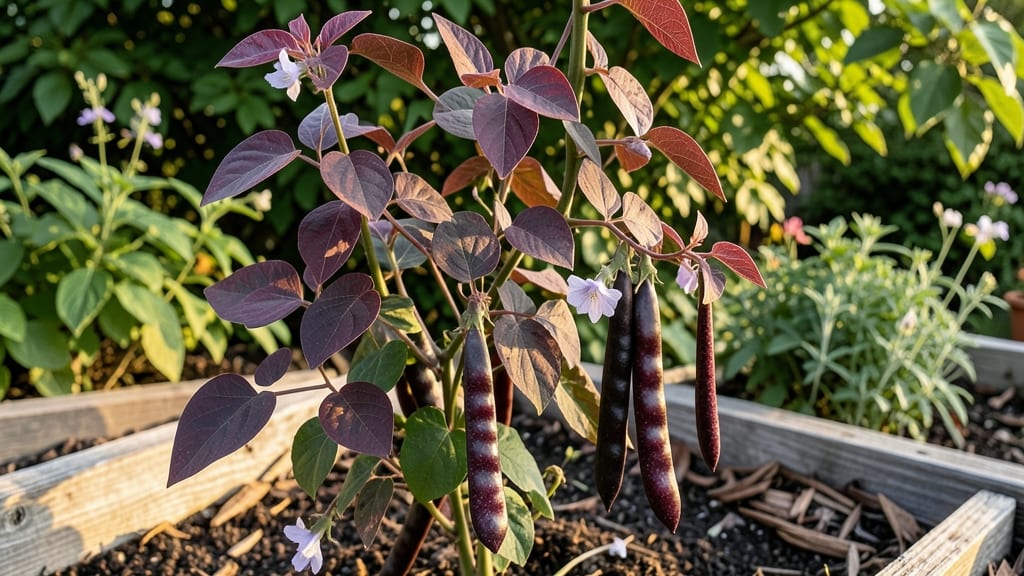
Growing Royal Burgundy beans means adding a stunning burgundy splash to your garden that keeps coming back year after year. 🌱 These cold-hardy perennials thrive where most beans would freeze, and their deep purple pods make every harvest feel like a special occasion.
I planted mine last spring and was amazed when they survived our 20-degree winter—something I never expected from beans. The secret to their success lies in their adaptability. They handle partial shade better than most beans, grow well in average garden soil, and even tolerate drought once established.
You’ll want to plant them in early spring or late summer, spacing them about 4-6 inches apart in rows 18-24 inches apart. They don’t need trellising but will climb if given support, adding vertical interest to your garden.
By midsummer, you’ll be harvesting tender pods with a rich, earthy flavor that’s perfect for fresh eating or preserving. The plants keep producing all season, and with proper care, they’ll return bigger and stronger each year. Plus, their striking color makes them a conversation starter in any garden bed.
These beans aren’t just beautiful—they’re versatile too. Use them in salads, stir-fries, or even dried for winter soups. Their cold-hardiness means you can grow them in zones where traditional beans fail, making them a game-changer for cooler climates.
📚 In This Guide
- What you need
- Instructions
- Tips and common mistakes
- Wrapping up and next steps
What you need
- ● Royal Burgundy Bean Seeds – 1–2 packets (50–100 seeds total) for a vibrant patch. Choose organic or heirloom varieties for best results.
- ● Well-draining soil – Aim for loamy, slightly acidic to neutral pH (6.0–7.0). Amend with compost if your soil is heavy.
- ● Organic compost or aged manure – 2–3 gallons per 10 sq ft to enrich soil with nitrogen and nutrients.
- ● Watering can or hose with gentle spray nozzle – Beans need consistent moisture but hate soggy roots.
- ● Garden trowel or transplanting spade – For digging holes 1–2 inches deep and spacing seeds 4–6 inches apart.
- ○ Fertilizer (optional but helpful) – Balanced organic fertilizer (5-5-5) or fish emulsion to boost early growth.
- ● Row cover or frost cloth – Essential in Zones 3–6 to protect young plants from late frosts.
- ○ Trellis or stakes (optional) – 4–6 ft tall to support vines if you prefer vertical growth.
- ● Sunlight – Full sun (6+ hours daily). Partial shade may reduce yield and color intensity.
- ● Patience – Royal burgundy beans are perennial but may take 2–3 years to fully establish.
- ● Cold tolerance – Hardy to 15°F (−9°C), but young plants benefit from season extenders in colder climates.
How to grow Royal Burgundy beans as cold-hardy perennials
Here's how to bring these stunning burgundy beans back year after year—even in chilly zones.
🌱 Step 1: Select the Right Location and Soil
Royal Burgundy beans thrive in full sun to partial shade, needing at least 6 hours of sunlight daily. I choose a spot near my fence where morning sun warms the soil gradually—this helps prevent shock when the plants emerge. The soil should be well-draining but moisture-retentive, so I mix in 2-3 inches of compost into the top 12 inches of soil before planting.
These beans tolerate a wide range of soils but grow best in slightly acidic to neutral pH (6.0-7.0). If your soil is heavy clay, add 1 part sand or perlite to 3 parts soil to improve drainage. Work the amendments in 2-3 weeks before planting to let the soil settle and microbes colonize.
🌱 Step 2: Plant Seeds at the Right Time and Depth
Sow seeds 2-3 weeks after your last frost date when soil reaches at least 60°F. I like to plant mine in early spring so they establish roots before summer heat. Drop seeds 1-2 inches deep and 4-6 inches apart—they’ll spread as they grow. For perennial revival, plant 3-4 seeds per hill to ensure at least one thrives.
Water gently after planting to settle the soil around seeds. Keep the area consistently moist but not soggy until germination, which takes 7-14 days. If your climate is dry, use mulch (2-3 inches) to retain moisture and regulate soil temperature. Avoid overwatering—Royal Burgundy beans are drought-tolerant once established.
☀️ Step 3: Provide Support and Encourage Vigorous Growth
These beans grow 4-6 feet tall, so install 5-6 foot tall trellises or stakes at planting time. I use bamboo stakes tied with soft twine to avoid damaging the stems. Train vines gently as they grow—don’t force them upward, just guide them to climb naturally. This prevents breakage during wind or rain.
Fertilize lightly 4-6 weeks after germination with a balanced organic fertilizer (10-10-10). Too much nitrogen makes leaves lush but reduces pod production. Instead, side-dress with compost tea every 4-6 weeks for steady nutrients. Watch for yellowing leaves—this usually means too much water or poor drainage, not fertilizer needs.
✂️ Step 4: Prune and Harvest for Perennial Success
Harvest pods when they’re firm but tender, about 4-6 inches long, to encourage more production. I pick every 2-3 days in peak season—this keeps plants focused on fruit rather than seed production. Leave 1-2 pods per vine to mature fully for next year’s seeds if you want perennial revival.
After the first frost, cut back dead or damaged vines to 6 inches above ground. Mulch heavily (4-6 inches) to insulate roots over winter. In zones 5-7, the plants may die back completely but regrow from the roots. In zones 8-10, they often survive winter with minimal pruning—just remove dead growth in early spring.
🌿 Step 5: Overwinter for Next Year’s Harvest
In colder zones, protect the base of plants with straw mulch (6 inches deep) before the first hard frost. I also wrap the trellis in burlap to shield vines from wind. Come spring, remove mulch when soil warms to 50°F—new shoots emerge within 2-3 weeks. Thin regrowth to 2-3 strongest stems per plant for better air circulation.
Royal Burgundy beans are self-seeding but may not come true to type. If you want reliable perennials, save seeds from the best-performing pods each year. Store them in a cool, dry place until next spring’s planting. With proper care, these beans reward you with years of burgundy beauty and fresh harvests—no replanting needed!
Tips & tricks for growing Royal Burgundy beans
A few simple strategies will help your Royal Burgundy beans thrive and return every year—no replanting required.
Soil Prep Secret: The 2-3 weeks you spend amending your soil before planting makes all the difference. I like to add a handful of egg shells (crushed) to the compost mix for extra calcium—this prevents blossom end rot in the pods later. For heavy clay soils, mix in 1 part sand or perlite to 3 parts soil and let it settle for those 2-3 weeks. This creates the perfect balance of drainage and moisture retention that Royal Burgundy beans love.
Timing is Everything: Those 2-3 weeks after your last frost date are crucial—don't rush planting! I check soil temperature with a simple thermometer and wait until it hits at least 60°F. Cold soil can delay germination for weeks, so patience pays off. If you're in a cooler zone, consider using a black plastic mulch to warm the soil faster and extend your growing season.
Support System Savvy: Install your 5-6 foot tall trellises or stakes at planting time to avoid disturbing roots later. I use bamboo stakes tied with soft twine because they're gentle on the vines. Pro tip: Angle the stakes slightly away from the plant to give vines room to grow upward naturally. This prevents the classic "wind breakage" that can ruin a harvest.
Winter Protection Hack: In zones 5-7, the 6 inches of straw mulch you add before frost isn't just for insulation—it also prevents soil heaving during freeze-thaw cycles. I double up with burlap-wrapped trellises to protect vines from windburn. Come spring, remove mulch when soil reaches 50°F—new shoots appear within 2-3 weeks, proving those roots stayed alive all winter!
Pro Tips for Royal Burgundy Beans
- A few simple strategies will help your Royal Burgundy beans thrive and return every year—no replanting required.
- Soil Prep Secret: The 2-3 weeks you spend amending your soil before planting makes all the difference.
- Timing is Everything: Those 2-3 weeks after your last frost date are crucial—don't rush planting!
Frequently asked questions
Are royal burgundy beans truly perennial, or do they die back each winter?
Yes, they’re perennial in USDA Zones 4–9! While they’ll die back to the ground in winter, their roots survive—regrowing each spring with minimal care. In colder zones (like 3), mulch heavily or grow them as annuals for a one-season harvest. Pro tip: Plant in well-drained soil to prevent winter rot.
When’s the best time to plant royal burgundy beans for a fall harvest?
For a fall crop, sow seeds 8–10 weeks before your first frost (typically late summer). They thrive in cooler weather, so avoid planting too early—heat stress can stunt growth. In warmer zones, succession plant every 2–3 weeks for continuous harvests. Check your frost dates!
Can I substitute royal burgundy beans for regular green beans in recipes?
Their flavor is milder and slightly sweeter than wax beans, making them perfect for any recipe—stews, salads, or roasted dishes. For a visual pop, use them whole in pasta salads or as a garnish. Bonus: Their rich color pairs beautifully with creamy sauces (think Alfredo or pesto).
Why are my royal burgundy beans developing holes or wilting—what’s attacking them?
Common culprits include bean beetles, aphids, or spider mites. Handpick pests early, or spray with neem oil for organic control. Wilting may also signal underwatering—these beans need consistent moisture (1–1.5 inches per week). Preventative tip: Interplant with herbs like basil to deter pests.
Do royal burgundy beans need trellising, or can they grow bush-style?
Both work! Bush varieties stay compact (great for small gardens), while pole types climb 4–6 feet—ideal for vertical space. If trellising, use lightweight stakes or netting to avoid snapping tender vines. Fun fact: Trellised plants often produce more pods and stay cleaner.
How do I save seeds from royal burgundy beans for next year?
Let a few pods mature fully on the vine (they’ll turn dry and papery). Harvest seeds, clean them, and store in a cool, dry place for up to 3 years. Note: Some heirloom varieties may not breed true—label seeds if you’re experimenting!
Wrapping up and next steps
Royal Burgundy beans are a game-changer for gardeners seeking beauty, resilience, and flavor—all in one easy-to-grow package! 🌱 Their stunning purple pods, cold-hardy nature, and perennial comeback make them a standout choice for any garden, from cozy containers to sprawling plots.
Whether you're a seasoned gardener or just starting, these beans prove that growing your own food can be both rewarding and stunningly simple.
Ready to transform your garden? Start by grabbing seeds or plants, picking a sunny spot, and giving these burgundy beauties the love they deserve. Your next harvest—and your neighbors’ envy—is just a few weeks away! 🌿