
Vegetables
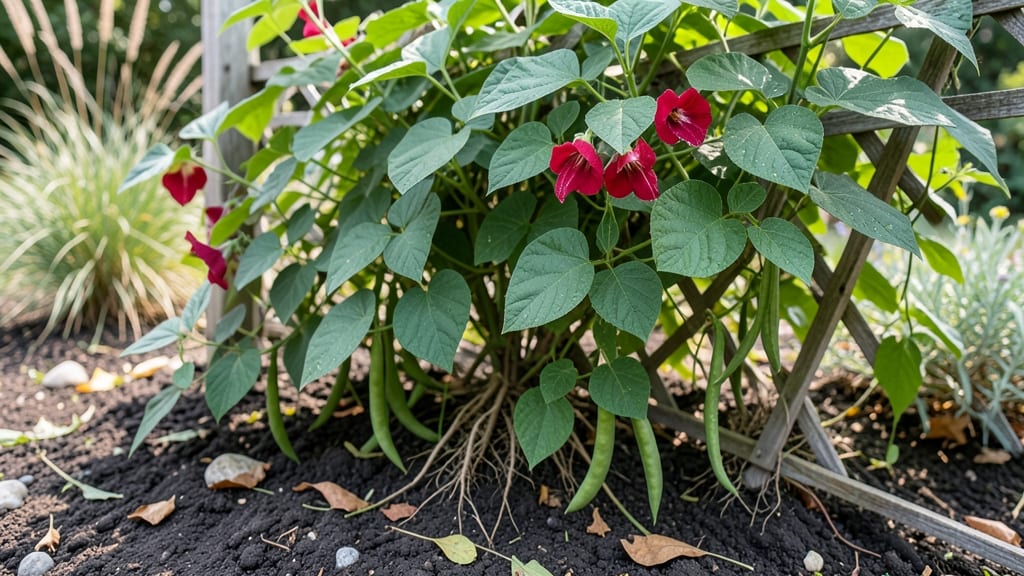
Scarlet Emperor runner beans steal the show with their bold red-and-white striped vines and sweet, tender pods—perfect for small spaces. 🌱 I’ve grown them in containers for three seasons now, and they’ve become my go-to for vertical gardening.
What makes them special? Their striking flowers, disease resistance, and ability to produce edible pods for months.
These beans need full sun (6+ hours daily) and well-draining soil mixed with compost. Plant seeds 1 inch deep, spacing them 4-6 inches apart in a container at least 12 inches wide and deep.
A sturdy trellis or cage is a must—their vines can climb 10+ feet if given support. Water consistently, keeping soil moist but not soggy.
Harvest begins 60-70 days after planting, when pods are 4-6 inches long and still tender. The more you pick, the more they produce—expect a steady harvest for weeks.
Watch for aphids or spider mites; a strong spray of water usually keeps pests in check. These beans are beginner-friendly but reward patient growers with a dramatic, productive display.
Pro tip: Save seeds from your best pods—they’ll grow even more vibrant next year. Whether you’re growing on a balcony or patio, Scarlet Emperors turn containers into a lush, edible vertical garden. Ready to try them?
📚 In This Guide
- What you need
- Instructions
- Tips and common mistakes
- Wrapping up and next steps
What you need
- ● Runner Bean Seeds: 3–5 Scarlet Emperor seeds (or 1–2 pods if saving seeds). Choose organic or heirloom for best results!
- ● Containers: At least 2–3 large pots (12–18 inches deep) with drainage holes. Fabric grow bags or self-watering containers work great!
- ● Potting Mix: 10–15 gallons of well-draining, nutrient-rich soil (mix garden soil with compost or a 50/50 blend of potting soil and coconut coir).
- ● Support Structure: Trellis or Cage: A 5–6 foot tall tomato cage or A-frame trellis (or DIY with PVC pipes and twine!).
- ● String or Twine: 50+ feet of jute twine or soft plant ties to secure vines.
- ● Fertilizer: Balanced Organic Fertilizer: 1 cup of 10-10-10 or composted manure mixed into soil at planting.
- ○ Slow-Release Granules: Optional but helpful—use 5–10 tbsp of osmacote or similar per container.
- ● Hand Trowel or Transplant Spade for planting.
- ● Watering Can or Hose with Gentle Nozzle (avoid overhead spraying to prevent mildew).
- ○ Pruning Shears for trimming (optional but handy for maintenance).
- ● Mulch (Straw or Shredded Leaves) to retain moisture and suppress weeds.
- ● Plant Labels to track varieties (if growing multiple types).
- ● Sunlight: A south-facing spot (or equivalent) with 6–8+ hours of direct sun daily.
- ● Warmth: Soil temps should be 60°F+ before planting (use a soil thermometer if unsure!).
- ● Patience: Runner beans take 60–70 days to mature—plan ahead for a summer harvest!
Step-by-step guide to growing Scarlet Emperor runner beans in containers
Here's how to grow these stunning vines with their bold red-and-white stripes—perfect for small spaces.
🌱 Step 1: Select the Right Container and Location
Choose a container at least 12 inches deep with drainage holes—runner beans need room for their deep roots. I prefer a 5-gallon fabric grow bag because it drains well and mimics soil conditions. Place your container in a spot that gets 6-8 hours of direct sun daily, like a south-facing balcony or patio.
If you're using a standard pot, ensure it's wide enough to support the plant's eventual 6-10 foot spread. Scarlet Emperor beans climb aggressively, so position the container near a sturdy trellis or tall fence. I always check the location first—these vines won't tolerate shade or cramped quarters.
🌱 Step 2: Prepare the Soil and Plant Seeds
Fill the container with a mix of 50% potting soil and 50% compost to give your beans the nutrients they crave. Runner beans are heavy feeders, so I add a handful of bone meal at the bottom of the pot for extra phosphorus—this encourages strong root and vine development.
Plant seeds 1 inch deep, spacing them 4-6 inches apart in the container. Since Scarlet Emperor beans produce striking striped pods, I plant 3-4 seeds per container (they'll naturally thin themselves). Water gently after planting, keeping the soil moist but not soggy. Germination takes 7-14 days in warm soil.
☀️ Step 3: Provide Support and Consistent Care
As soon as the seedlings emerge, install a 5-6 foot trellis or sturdy pole in the center of the container. Runner beans twine naturally, but they need support to climb properly. I tie the main stems loosely to the trellis with soft twine as they grow—this prevents breakage when pods develop.
Water deeply 2-3 times per week, ensuring the top 2 inches of soil stay moist. Scarlet Emperor beans are drought-tolerant once established, but young plants need consistent moisture. I always check the soil with my finger—if it feels dry past your first knuckle, it's time to water. Avoid wetting the leaves to prevent fungal diseases.
✂️ Step 4: Prune and Harvest for Continuous Production
When the vines reach the top of the trellis, pinch back the tips to encourage bushier growth and more pods. This is where Scarlet Emperor beans really shine—they produce bold, striped pods that are both decorative and delicious. I harvest pods when they're 4-6 inches long for the best flavor and texture.
Regular harvesting stimulates more production, so I check the plants every 2-3 days during peak season. If pods turn yellow or brown before you can harvest them, they'll toughen up—pick them immediately. I also remove any spent flowers or damaged leaves to keep the plant focused on producing new growth.
🌿 Step 5: Extend the Season with Proper Care
Runner beans are warm-season plants, so I protect them from frost by bringing containers indoors or covering them with frost cloth when temperatures drop below 50°F. Scarlet Emperor beans can continue producing until the first hard frost, but they slow down in cooler weather.
To extend the season, I add a light mulch of straw around the base of the plant to retain moisture and regulate soil temperature. This simple step keeps the roots warm and the plant productive well into fall. With proper care, you'll enjoy these striking vines and their edible pods for months—making them a true garden star.
Tips & tricks for growing Scarlet Emperor runner beans
These simple yet game-changing insights will help you coax the most vibrant, productive vines from your Scarlet Emperor beans—even in limited space.
Container Depth and Drainage: That 12-inch depth requirement isn't just arbitrary—runner beans develop deep taproots that need room to establish. If you're using a shallower pot, add a layer of gravel or broken terracotta at the bottom to create extra depth without bulk. I've seen beans struggle in containers under 10 inches, so don't skimp on vertical space. The drainage holes are equally critical; I once grew Scarlet Emperors in a pot without them and watched the roots rot within weeks.
Soil Mix Secrets: The 50-50 potting soil to compost ratio works wonders because runner beans are nitrogen-loving powerhouses. For even better results, mix in a handful of worm castings with your compost—they add beneficial microbes that help roots absorb nutrients. I've found that adding too much compost can make the soil too dense, so stick to the ratio and fluff it up before planting. The bone meal at the bottom provides phosphorus for strong roots, but don't overdo it—just a handful is plenty for a 5-gallon container.
Sunlight Strategy: Those 6-8 hours of direct sun are non-negotiable, but here's what I've learned: Morning sun is gentler and helps prevent leaf scorch, which is common with afternoon heat. If your space gets intense afternoon sun, consider a light shade cloth (30% shade) during peak hours—it won't hurt the plants and can actually improve pod production. I've also noticed that containers on concrete or pavement heat up faster, so elevating them on bricks or a stand helps regulate temperature.
Harvesting Hack: The 4-6 inch pod size recommendation is perfect for tender, flavorful beans, but here's a pro move: Harvest every morning during peak season. The pods grow surprisingly fast—sometimes adding an inch overnight—and morning harvests mean you're getting the freshest, most vibrant pods. I also recommend using sharp scissors or pruners to snip pods rather than pulling them, which can damage the vine. This simple technique keeps your plants producing for weeks longer than if you harvest less frequently.
Pro Tips for Scarlet Emperor Runner Beans
- These simple yet game-changing insights will help you coax the most vibrant, productive vines from your Scarlet Emper...
- Container Depth and Drainage: That 12-inch depth requirement isn't just arbitrary—runner beans develop deep taproots ...
- Soil Mix Secrets: The 50-50 potting soil to compost ratio works wonders because runner beans are nitrogen-loving powe...
Frequently asked questions
Got questions about growing Scarlet Emperor runner beans? You’re not alone! Here are answers to the most common queries—from planting tips to troubleshooting—so you can grow these stunning striped vines with confidence.
When is the best time to plant Scarlet Emperor runner beans?
Plant them after the last frost when soil temperatures reach at least 60°F (15°C). In most U.S. zones, this means late spring (May-June). For cooler climates, start seeds indoors 4-6 weeks before transplanting. Pro tip: These beans hate cold—waiting ensures strong, healthy vines!
Can Scarlet Emperor beans grow in containers?
These vines thrive in containers 5+ gallons deep with trellises or stakes. Use well-draining potting mix and fertilize lightly with compost. Just ensure the pot has drainage holes to prevent root rot. Bonus: Containers make harvesting easier and protect beans from pests!
Why are my Scarlet Emperor beans flowering but not producing pods?
This usually means pollination issues or heat stress. Runner beans are self-pollinating, but gentle shaking of vines can help. If temps exceed 90°F (32°C), flowering slows—provide afternoon shade. Check for pests: Aphids or spider mites can also hinder pod formation.
What can I plant alongside Scarlet Emperor beans?
These beans love companions! Pair them with:
- Herbs: Basil, thyme, or marigolds (repel pests)
- Vegetables: Carrots, radishes, or lettuce (shallow roots won’t compete)
- Avoid: Potatoes or fennel (they stunt growth)
How do I harvest and store Scarlet Emperor beans?
Harvest pods when 4-6 inches long and tender (before seeds bulge). Use pruners or snip with scissors to avoid damaging vines. Store unwashed beans in the fridge for 5-7 days or freeze them for up to 6 months. Fun fact: Young pods are sweeter—pick often to encourage more production!
Wrapping up and next steps
Growing Scarlet Emperor runner beans is a rewarding journey that brings vibrant color and delicious harvests to even the smallest spaces! 🌱 With their striking red-and-white stripes and compact climbing habit, these beans are perfect for containers, balconies, or sunny windowsills.
Whether you're a seasoned gardener or just starting out, their resilience and productivity make them a must-try—so grab your gloves, plant those seeds, and watch your garden transform into a vertical feast!
Ready to take the next step? Start small with a single pot or experiment with companion plants like nasturtiums to boost your harvest. Happy growing—your taste buds (and Instagram feed) will thank you! 🌟