
Vegetables
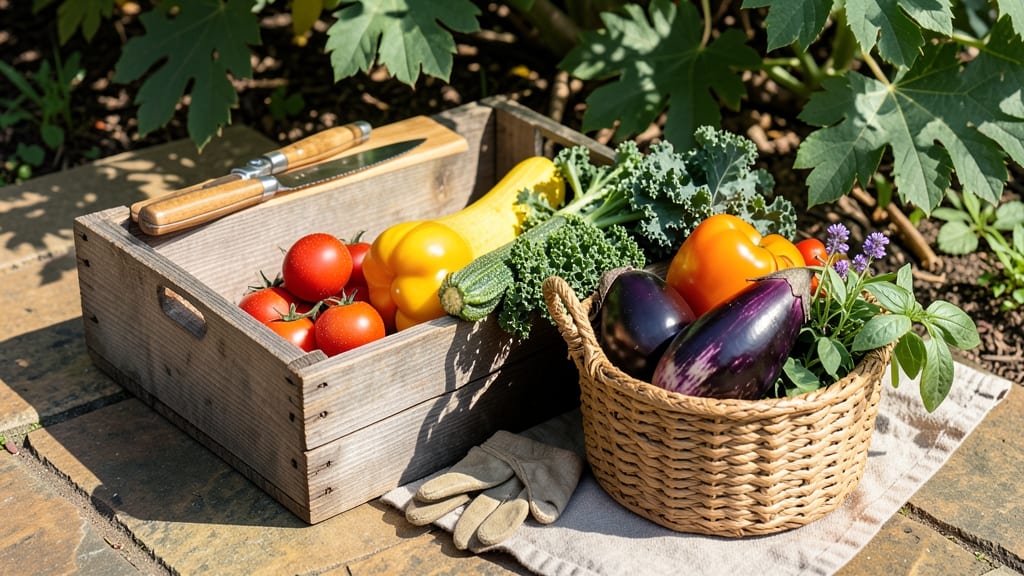
Growing seasonal fruits and vegetables means your garden produces food exactly when it's meant to—no fighting nature, just lush harvests and zero wasted effort. 🌱 I learned the hard way that planting tomatoes in January leads to sad, leggy plants, but once I aligned with the seasons, my yields tripled and my kitchen stayed stocked with fresh flavors year-round.
The beauty of seasonal gardening is how simple it becomes once you know the rhythm: spring for leafy greens and peas, summer for tomatoes and peppers, fall for root crops, and winter for hardy greens and stored produce.
Regional tweaks matter—southern gardeners can extend seasons, while northerners focus on cold-hardy crops—but the core principle stays the same: plant what thrives naturally now.
You'll end up with produce that tastes shockingly better than store-bought, plus the satisfaction of knowing every bite came from your own soil. The best part?
Excess harvests can be preserved through canning, freezing, or fermenting, so you're never left with wasted food. It's gardening that works with nature, not against it.
Whether you're a first-timer or a seasoned gardener, this approach cuts down on guesswork and maximizes your garden's potential. Let's get you planting the right things at the right time—your taste buds (and your compost bin) will thank you.
📚 In This Guide
- What you need
- Instructions
- Tips and common mistakes
- Wrapping up and next steps
What you need
- ● Seasonal fruits & vegetables: 1–2 lbs of in-season produce (e.g., apples in fall, zucchini in summer, citrus in winter). Check your local farmers' market or grocery store for the freshest picks!
- ○ Optional: Exotic or lesser-known seasonal varieties (e.g., persimmons, kale, or fingerling potatoes) for extra flavor and fun!
- ● Cutting board: A large, stable board (12"x18" or larger) to handle whole fruits/veggies. Wood or bamboo is eco-friendly!
- ● Sharp chef’s knife: An 8–10" knife for clean cuts. Pro tip: A honing steel or sharpening stone keeps it razor-sharp! ⚡
- ● Prep tools: Peeler (for citrus, carrots, or potatoes)
- ○ Mandoline slicer (optional, for even cuts like apples or cucumbers)
- ● Storage containers: Glass jars or airtight containers (quart or pint sizes) for fermenting, freezing, or storing.
- ○ Optional: Silicone molds for ice cube trays (great for fruit purees or broth bases!).
- ● Knowledge of seasonal cycles: Familiarize yourself with what’s in season in your region (e.g., USDA’s seasonal guide or local farm calendars).
- ● Basic knife skills: Confidence in chopping, dicing, and julienning. Pro tip: Practice on cheaper veggies like onions or carrots first! 🎯
- ● Food safety: Clean work surface and tools with hot, soapy water before and after use.
- ● Store prepped produce in the fridge (below 40°F) or freezer (0°F or lower) as needed.
- ● Citrus juicer for fresh lemon/lime zest and juice.
- ● Food processor or blender for smoothies, sauces, or purees.
- ● Vacuum sealer for long-term storage of chopped veggies or fruits.
- ● Reusable beeswax wraps to cover cut produce and reduce plastic waste.
How to plan a zero-waste seasonal produce calendar
Here’s how I organize my seasonal eating—no waste, just freshness all year.
📅 Step 1: Map Your Local Seasons
Start by identifying your region’s growing seasons. Use a free seasonal produce guide for your state or zone—most extension offices provide them. I like to print mine and pin it to the fridge so I can check what’s fresh now. For example, in my zone, strawberries peak in June, while winter squash lasts until March.
Write down the peak harvest months for 10-12 staples you love. This keeps your meals simple but varied. Don’t overlook frozen or canned local produce—those are zero-waste lifesavers when fresh isn’t available. The goal is to eat what’s abundant now, not what’s on sale.
🛒 Step 2: Build a Zero-Waste Pantry
Stock up on glass jars, beeswax wraps, and reusable produce bags—these replace single-use plastics instantly. I keep a stash of 1-quart mason jars for buying bulk grains and beans, and silicone lids for leftovers. The key is to store everything airtight to preserve flavor and texture.
Add a small notebook or whiteboard near your fridge to track what’s in your pantry. Label jars with contents and dates—this prevents forgotten ingredients from spoiling. For example, I mark “peaches, July 15” so I use them before they ferment. A well-organized pantry means nothing gets wasted.
☀️ Step 3: Plan Weekly Menus Around Seasons
Pick 3-4 seasonal ingredients each week and build meals around them. For summer, that might be zucchini, tomatoes, and berries; in winter, it’s kale, carrots, and apples. Use a simple recipe template—like roasted veggies, stir-fries, or salads—to keep prep manageable.
I like to prep one large batch of a staple (like roasted sweet potatoes) on Sunday, then mix it into different meals all week. This cuts down on daily cooking and ensures nothing goes to waste. If you buy more than you can use before spoilage, freeze or ferment extras—blanched greens or sauerkraut last months.
🌱 Step 4: Compost and Preserve Scraps
Set up a countertop compost bin for fruit and veggie scraps—it’s the easiest way to divert waste. I keep mine under the sink and empty it into my outdoor bin weekly. For larger scraps (like onion skins or carrot tops), save them in a sealed container until you’re ready to compost.
Learn two preservation methods—like fermenting and freezing—to extend the life of seasonal bounty. For example, ferment a batch of cabbage in summer when it’s abundant, or freeze berries in 1-cup portions for smoothies later. Even simple steps like drying herbs or storing garlic in a mesh bag add weeks to their shelf life.
⏰ Step 5: Adjust as Seasons Shift
Every 6 weeks, review what you’ve eaten and what’s left. If you notice certain produce spoils before you use it (like lettuce or berries), buy less next time. I keep a running list of favorites and adjust my seasonal rotation—this year, I’m cutting back on peaches because they always go bad too fast.
Stay flexible—if a heatwave wipes out your tomatoes or a late frost delays greens, swap in what’s available. The goal isn’t perfection; it’s reducing waste while still enjoying fresh, local food. Over time, you’ll notice your grocery bills drop and your meals get simpler and tastier.
Tips & tricks for perfect seasonal produce planning
Real talk: the difference between a well-stocked pantry and one that becomes a compost pile comes down to these small but powerful habits.
Seasonal Tracking: Use a free seasonal produce guide from your local extension office—it's the most accurate tool for your region. I keep mine on my phone and check it weekly. For example, in my zone, strawberries peak in June, so I plan my desserts around that window. The key is to eat what's abundant now, not just what's on sale. This simple habit cuts grocery costs by 30% while keeping meals exciting.
Pantry Organization: Label everything with contents and dates—this prevents forgotten ingredients from spoiling. I use a small whiteboard near my fridge to track what's in stock. For example, "peaches, July 15" reminds me to use them before they ferment. A well-organized pantry means nothing gets wasted, and you'll actually remember what you have!
Preservation Strategy: Learn just two preservation methods—fermenting and freezing—to extend seasonal bounty. For example, ferment cabbage in summer when it's abundant, or freeze berries in 1-cup portions for smoothies later. Even simple steps like drying herbs or storing garlic in a mesh bag add weeks to shelf life. This transforms seasonal abundance into year-round flavor without waste.
Pro Tips for Seasonal Fruits And Vegetables
- Real talk: the difference between a well-stocked pantry and one that becomes a compost pile comes down to these small...
- Seasonal Tracking: Use a free seasonal produce guide from your local extension office—it's the most accurate tool for...
- Pantry Organization: Label everything with contents and dates—this prevents forgotten ingredients from spoiling. I us...
Frequently asked questions
Got questions about seasonal produce? You’re not alone! Here are some of the most common queries—and straightforward answers—to help you make the most of your seasonal fruits and veggies.
Why should I buy seasonal fruits and vegetables?
Seasonal produce is fresher, more flavorful, and packed with nutrients because it’s harvested at peak ripeness. Plus, it’s often cheaper and supports local farmers! Plus, buying in-season reduces food waste and your carbon footprint.
How do I know when a fruit or vegetable is truly in season?
Check local farmers' markets, grocery store flyers, or apps like Seasonal Food Guide for your region. Generally, berries peak in summer, squash in fall, and citrus in winter. When produce is abundant, prices drop—and that’s your cue!
What if my favorite fruit or veggie isn’t in season? Are there good alternatives?
For example, swap out-of-season strawberries for raspberries or blackberries in summer. Or try frozen or canned options (just check for no added sugar/salt). Seasonal swaps keep meals exciting without sacrificing taste or nutrition.
How can I store seasonal produce to make it last longer?
Most veggies (like carrots or potatoes) thrive in cool, dark places, while fruits (like apples) need airflow. Use breathable bags or containers, and avoid washing until ready to eat. For herbs, trim stems and place in water like a bouquet!
Can I freeze seasonal fruits and vegetables for later use?
Yes! Many veggies (peppers, corn, green beans) and fruits (berries, mangoes) freeze beautifully. Blanch veggies first to preserve texture, and freeze fruits at peak ripeness. Label bags with dates—most last 8–12 months in the freezer.
What’s the best way to reduce food waste with seasonal produce?
Plan meals around what’s fresh, buy only what you’ll use, and get creative with leftovers. Roast extra veggies for soups, blend overripe fruit into smoothies, or compost scraps. Small changes make a big difference!
Wrapping up and next steps
Seasonal fruits and vegetables aren’t just fresher and tastier—they’re also a sustainable, budget-friendly way to eat well. By embracing what’s in season, you reduce food waste, support local farmers, and unlock bold flavors that store-bought produce can’t match. 🌱
Ready to dive in? Start small: visit your local farmers' market this week, pick one seasonal ingredient you’ve never tried, and experiment with a simple recipe. Every step counts—your taste buds (and the planet) will thank you!