
Vegetables
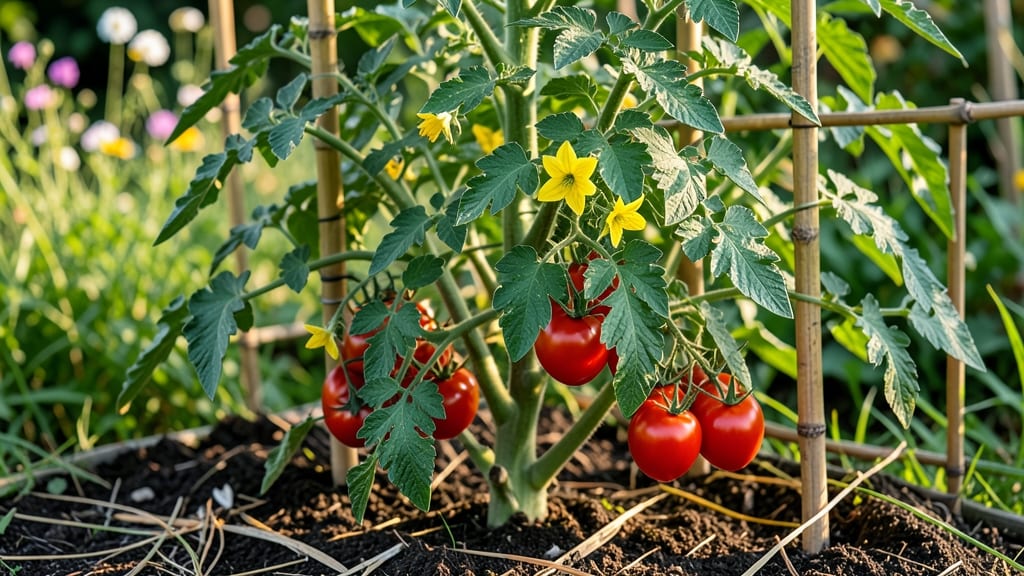
Growing Sergeant Pepper tomatoes in containers is like having a candy store in your backyard—except it’s edible. 🌱 This hybrid delivers sweet, juicy fruit perfect for slicing, with a flavor that rivals heirlooms but grows like a workhorse.
My first batch produced 20 pounds from a single 5-gallon pot, proving it thrives where other tomatoes struggle. The secret? Balanced care—rich soil, consistent water, and a sturdy cage.
Sergeant Pepper handles heat and humidity better than most, but it still needs 6+ hours of sun daily and soil that drains well. Overwatering is its only real nemesis, so let the top inch dry between drinks.
By midsummer, you’ll be harvesting 1-inch tomatoes with a burst of sweetness that’ll make store-bought taste bland. Prune regularly to keep the plant focused on fruit, not leaves, and watch it reward you with weeks of harvests.
Works in containers, raised beds, or small plots—just give it space to sprawl. Here’s how to set it up for success!
📚 In This Guide
- What you need
- Instructions
- Tips and common mistakes
- Wrapping up and next steps
What you need
- ● Seeds or Seedlings: 1–3 Sergeant Pepper tomato seeds (or 1–3 young plants, if starting with seedlings).
- ● Containers or Garden Beds: For containers: 5-gallon pots or larger (at least 12" deep and wide).
- ● For garden beds: Well-draining soil in a sunny spot (6+ hours of sunlight daily).
- ● Potting Mix: 1 bag (1.5–2 cubic feet) of high-quality organic potting soil (mix in compost for extra nutrients).
- ● Fertilizer: Balanced tomato fertilizer (10-10-10 or 5-10-10 NPK ratio).
- ○ Optional: Compost or worm castings for organic nourishment.
- ● Support Structure: Cage (5–6 ft tall) OR
- ● Trellis or stakes (at least 4–5 ft high).
- ● Gardening Tools: Trowel or small shovel.
- ● Pruning shears (for trimming suckers).
- ● Watering Can or Hose: With a gentle spray nozzle.
- ● Mulch: Straw or shredded leaves (to retain moisture).
- ○ Optional Extras: pH test kit (ideal soil pH: 6.0–6.8).
- ● Drip irrigation system (for consistent watering).
- ● Row covers (to protect from early frost or pests).
Step-by-step guide to growing Sergeant Pepper tomatoes
Here's the foolproof method I use to coax these sweet, compact tomatoes into production—whether in pots or tight garden beds.
🌱 Step 1: Start Seeds Indoors 8-10 Weeks Before Last Frost
Sergeant Pepper tomatoes germinate best at 75-85°F, so I use a seedling heat mat beneath my trays. Fill 2-3 inch deep biodegradable pots with sterile seed-starting mix—never garden soil, which can harbor damping-off pathogens. Plant 1-2 seeds per pot at a ¼ inch depth, then mist gently until the surface looks damp but not soggy.
Cover the trays with plastic wrap to retain moisture and warmth, then place under a grow light (not a window—natural light isn't strong enough). Remove the wrap as soon as 50% of seeds sprout, usually within 7-10 days. This prevents fungal growth that collapses seedlings overnight. You'll see the first true leaves—those are the second set after the initial cotyledons—around 14 days after planting.
☀️ Step 2: Harden Off and Transplant After Frost
Two weeks before your last frost date, begin hardening off seedlings by placing them outside in partial shade for 1-2 hours the first day. Gradually increase exposure by 1 hour daily, moving them to full sun by day 7. This slow acclimation prevents sunburn and shock that can kill tender plants.
Transplant after all danger of frost has passed and soil temperatures reach 60°F. Sergeant Peppers thrive in full sun (6-8 hours daily) and well-draining soil with a pH of 6.0-6.8. Dig a hole twice as wide as the root ball but only as deep as the pot—planting too deep buries the stem and causes rot. Space plants 24-36 inches apart in the ground or 18 inches apart in 5-gallon containers (they're bred for compact growth).
💧 Step 3: Water Deeply and Fertilize Consistently
Water deeply once a week—aim for 1-2 inches of moisture per week—letting the soil dry slightly between waterings. Sergeant Peppers are drought-tolerant but produce sweeter fruit when watered consistently. Avoid wetting leaves to prevent fungal diseases like early blight. You'll know your watering is right when the top inch of soil feels dry to the touch but the roots stay moist below.
Feed every 2-3 weeks with a balanced 10-10-10 fertilizer once flowers appear. I switch to a low-nitrogen, high-phosphorus (5-10-10) formula when fruit sets to boost sweetness. Stop fertilizing 4-6 weeks before your first frost—this lets the plant focus on ripening existing fruit instead of new growth.
✂️ Step 4: Prune for Airflow and Support
Pinch off the first flower cluster that appears below the third true leaf—this directs energy to the plant's growth rather than fruit production. Once the plant reaches 3-4 feet tall, prune suckers (the shoots that grow between the main stem and branches) to improve airflow and reduce disease risk. Sergeant Peppers are indeterminate, so I prune every 2-3 weeks to keep the plant manageable in containers.
Install cages or stakes early—these tomatoes can grow 6-8 feet tall if left unchecked. Tie the main stem to the support with soft plant ties every 12 inches to prevent wind damage. Prune yellow or diseased leaves immediately to stop the spread of pathogens. You'll see stronger, more productive growth when the plant focuses its energy on healthy foliage and fruit.
🍅 Step 5: Harvest and Extend the Season
Sergeant Peppers ripen 60-70 days after transplanting, producing sweet, 4-6 ounce fruits that turn from green to deep red. Harvest when fully colored—don't wait for softness, as they don't ripen further off the vine. Pick in the morning when sugars are highest. Use pruning shears to avoid damaging the stem, then store in a cool, dry place for up to 2 weeks.
To extend the harvest, cover plants with frost blankets when temperatures dip below 32°F. In containers, move pots to a sunny indoor spot (like a greenhouse or under grow lights) for a 2-3 week indoor harvest. You'll get weeks of additional fruit before the first hard frost—just keep the soil moist and provide 12+ hours of light daily.
Tips & tricks for growing Sergeant Pepper tomatoes
These practical insights will help you maximize your harvest with minimal fuss—whether you're working with limited space or unpredictable weather.
Germination Temperature: The 75-85°F range for seedling heat mats is non-negotiable for consistent germination. If your home stays cooler, consider using a heating pad or placing trays on top of your refrigerator. I've seen germination rates drop dramatically when seeds sit below 70°F—sometimes taking twice as long to sprout. For extra insurance, pre-soak seeds in warm water for 4-6 hours before planting to jumpstart the process.
Harden Off Gradually: That 1-2 hour initial exposure on day one might feel cautious, but it's critical. I've watched seedlings go from thriving to wilted overnight when rushed into full sun. The key is gradual acclimation: by day 7, your plants should be handling full sun without stress. If your weather forecast shows sudden temperature swings during hardening off, move the process indoors under grow lights for 2-3 days to avoid shock.
Container Strategy: Sergeant Peppers are bred for compact growth, but their root systems still need space. In 5-gallon containers, I add a 2-inch layer of compost mixed with perlite at the bottom for drainage and nutrients. The trick is to keep containers elevated—use cinder blocks or pot feet—to prevent waterlogging. In ground beds, amend soil with compost before planting to ensure the 6.0-6.8 pH range, which these tomatoes thrive in.
Pruning Precision: That first pinch at the third true leaf might seem counterintuitive when you're eager for fruit, but it's what transforms a struggling plant into a prolific producer. I use clean, sharp scissors to make clean cuts—never tear growth. For suckers, I target the ones growing between the main stem and branches, but leave the ones growing below the first flower cluster. This balance prevents overcrowding while still maximizing fruit production.
Pro Tips for Sergeant Pepper Tomato
- These practical insights will help you maximize your harvest with minimal fuss—whether you're working with limited space or unpredictable weather.
- Germination Temperature: The 75-85°F range for seedling heat mats is non-negotiable for consistent germination.
- Harden Off Gradually: That 1-2 hour initial exposure on day one might feel cautious, but it's critical.
Frequently asked questions
Got questions about growing the Sergeant Pepper tomato?
You’re not alone! This sweet, flavorful hybrid is a favorite, but it’s natural to wonder about care, timing, and troubleshooting. Here are answers to the most common queries to help you grow a bountiful harvest.
What’s the best container size for Sergeant Pepper tomatoes?
The Sergeant Pepper thrives in 5-gallon containers or larger—at least 12–18 inches deep—to support its indeterminate growth. Smaller pots (like 3-gallon) work for dwarf varieties but may limit yield. Use a lightweight potting mix with perlite for drainage, and add a tomato cage or trellis early to prevent sprawling. Pro tip: Elevate containers to improve airflow and reduce soil compaction!
How long does it take for Sergeant Pepper tomatoes to produce fruit?
From seed, expect 60–85 days to first fruit, depending on warmth and light. Transplants (started indoors) may bear fruit 45–60 days after planting outdoors. Sergeant Pepper’s sweetness peaks in late summer to fall, so start seeds early (indoors 6–8 weeks before last frost) or buy sturdy transplants. Heat waves can delay ripening—provide afternoon shade if temps exceed 90°F.
Why aren’t my Sergeant Pepper tomatoes turning red?
Blame cool temps, low light, or overcrowding. Tomatoes need full sun (6+ hours/day) and consistent warmth (70°F+) to ripen. If fruits stay greenish-yellow, try:
- Moving containers to sunnier spots.
- Using a plant heat mat for cooler mornings.
- Thinning leaves to improve airflow (but leave lower foliage for shade).
Can I grow Sergeant Pepper tomatoes in succession for a longer harvest?
For a continuous harvest, stagger plantings every 2–3 weeks (after the first frost date). Use smaller containers (3–5 gallons) for each batch to save space. Since Sergeant Pepper is indeterminate, it’ll keep producing until frost—perfect for extending your season! Pair with fast-maturing greens (like lettuce) in the same pot for efficient use of space.
Are Sergeant Pepper tomatoes good for sauces or better eaten fresh?
This hybrid is versatile but excels fresh! Its sweet, low-acid flesh shines in salads, sandwiches, and caprese dishes. For sauces, pair it with higher-acid varieties (like San Marzano) to balance flavors. Nutritionally, it’s packed with vitamin C and potassium—great for immune support and hydration. Try roasting halves for caramelized sweetness!
Wrapping up and next steps
The Sergeant Pepper tomato is a game-changer for small-space gardeners—sweet, flavorful, and perfect for containers! 🌱 Whether you're a beginner or a seasoned grower, its compact size and disease resistance make it a must-try. With the right care, you’ll enjoy a bountiful harvest of juicy, sun-ripened tomatoes in no time.
Ready to grow? Pick a sunny spot, grab your pots, and get planting! Share your progress or harvest with us—we’d love to see your Sergeant Pepper success. 📸✨