
Vegetables
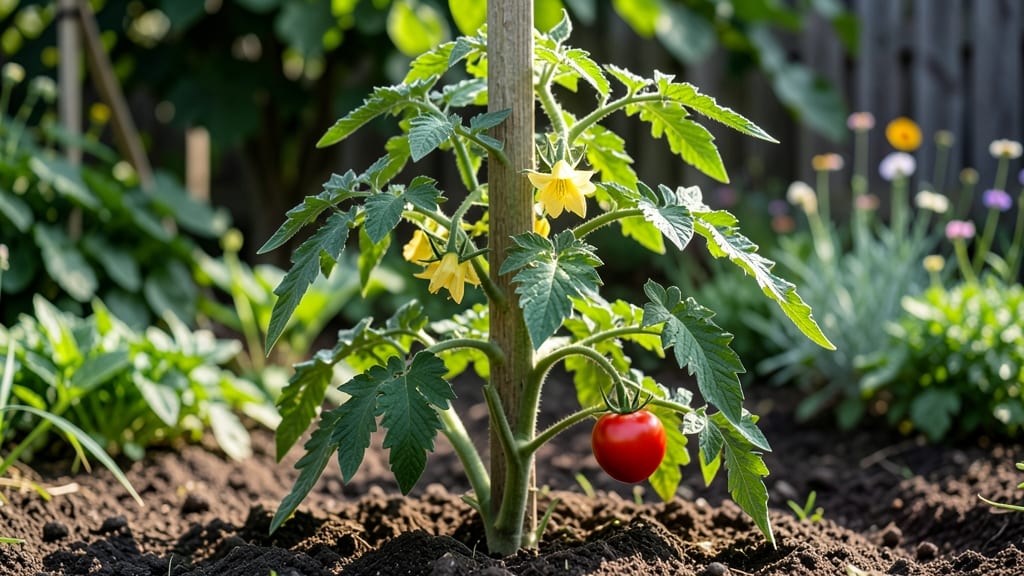
Understanding the size of tomato plants determines whether you end up with grocery-store tomatoes or beefsteak-sized treasures. 🌱 After years of trial and error, I’ve learned that variety, spacing, and care create the difference between pathetic pints and pound-heavy harvests—without needing a greenhouse.
Most gardeners focus on soil and water, but the real game-changer is spacing science. Crowded plants produce smaller fruit because they compete for sunlight and nutrients. My heirloom ‘Brandywine’ tomatoes, spaced 3 feet apart, yield 12-ounce fruits, while the same variety crammed into 18-inch pots barely ripens.
Even hybrid varieties like ‘Celebrity’ need proper room to reach their potential.
You’ll see the biggest payoff when you combine determinate varieties (bush types) with tight spacing for uniform fruit, or indeterminate vines (like ‘Sungold’) with sturdy cages and regular pruning.
The right balance turns every plant into a fruit factory—no more sad, undersized tomatoes. This method works for both backyard plots and container gardens.
Here’s the secret: light, air, and roots. Thin seedlings early, prune suckers aggressively, and feed with balanced fertilizer (10-10-10) every 4-6 weeks. The science is simple—give plants space to breathe, and they’ll reward you with tomatoes so big, your neighbors will ask for cuttings.
📚 In This Guide
- What you need
- Instructions
- Tips and common mistakes
- Wrapping up and next steps
What you need
- ● Tomato seeds or seedlings: Choose disease-resistant varieties (e.g., Beefsteak, Cherry, Roma). Start with 10–20 seeds or 3–5 seedlings per plant type.
- ● High-quality potting mix: 10–15 gallons (sterilized, well-draining soil with compost or coconut coir). Avoid garden soil—it can harbor pests!
- ● Containers or garden space: Containers: 5-gallon pots or larger (minimum 12" diameter) with drainage holes. 3–5 plants per container (if dwarf varieties).
- ● Garden beds: 6–8 feet of row space per plant (adjust for bush vs. indeterminate types).
- ● Fertilizer: Balanced fertilizer (10-10-10 or 5-5-5): 2–3 tbsp per plant at planting.
- ● Organic options: Composted manure or worm castings (1 cup per plant).
- ● Support structures: Cages or stakes: 6–8 ft tall for indeterminate varieties; 4–5 ft for bush types.
- ● Trellis or string: For vining varieties (e.g., Sungold cherry tomatoes).
- ● Trowel or transplanting spade (for digging small holes).
- ● Watering can or hose with gentle nozzle (avoid blasting seedlings!).
- ● Pruning shears (for trimming suckers and dead leaves).
- ○ pH testing kit (optional but helpful—ideal range: 6.0–6.8).
- ● Mulch (straw or shredded leaves): 2–3 inches to retain moisture.
- ● Growth regulators: Seaweed extract or humic acid to boost root development.
- ● Drip irrigation system for consistent watering (especially in hot climates).
- ● Row covers or shade cloth (30–50% coverage) to protect from pests or extreme sun.
- ● Plant markers to track varieties and spacing.
How to optimize tomato plant size for maximum yield
Tomato plant size isn't just about aesthetics—it's the foundation for bigger harvests. Here's how to use spacing science to grow healthier, more productive plants.
🌱 Step 1: Choose the Right Variety for Your Space
Determine your growing area first—this dictates your plant size choices. Determinate varieties (like Roma or Celebrity) stay compact at 3-4 feet tall and produce fruit in clusters over a short season. These thrive in containers or small gardens where space is limited. Indeterminate varieties (like Beefsteak or Cherokee Purple) grow 6-10 feet tall with continuous vines and need vertical support.
I always check seed packets for mature size estimates—this tells you exactly how much room each plant will need. If you're short on space, determinate types give you the same yield in half the footprint. For larger gardens, indeterminates reward you with fruit all season long if you provide proper support.
☀️ Step 2: Position Plants for Optimal Airflow and Sunlight
Tomatoes need 6-8 hours of direct sunlight daily, but proper spacing prevents disease by improving airflow. Determinate plants should be spaced 2-3 feet apart in rows 3 feet apart. Indeterminate varieties need 3-4 feet between plants and 4-5 feet between rows—this gives roots room to spread while keeping foliage from touching, which reduces fungal issues.
Watch for yellowing leaves or powdery mildew as signs of poor airflow. If plants are crowded, thin them immediately—even if it means sacrificing a few plants, the remaining ones will produce better. I always stake or cage indeterminates at planting to prevent future crowding from sprawling vines.
🪴 Step 3: Select Containers or Garden Beds Based on Variety
Container-grown tomatoes need 5-gallon pots minimum for determinates and 7-10 gallons for indeterminates. The larger the pot, the more stable the plant and the longer you can grow it. I use fabric grow bags because they allow roots to breathe and dry evenly, preventing root rot.
For in-ground planting, amend the soil with 2-3 inches of compost before planting. Tomatoes are heavy feeders, so enriching the soil at the start gives them the nutrients they need to reach their full size potential. If your soil is heavy clay, build raised beds—this improves drainage and prevents root-bound stress that stunts growth.
✂️ Step 4: Prune for Size Control and Fruit Production
Pruning isn't just about managing plant size—it's about directing energy to fruit production. For determinate tomatoes, minimal pruning is needed beyond removing suckers (the small shoots that form in the leaf axils). These can be pinched off when they're 1-2 inches long to prevent overcrowding.
Indeterminate varieties benefit from more aggressive pruning. Remove all suckers that appear below the first flower cluster—this encourages the plant to focus on existing fruit rather than growing more foliage. I also prune lower leaves that touch the soil to prevent disease. The goal is to create an open, airy plant that directs energy upward and outward toward fruit production.
💧 Step 5: Water and Fertilize for Optimal Growth
Consistent moisture is critical for tomato plant size and fruit development. Water deeply 1-2 times per week, aiming for 1-1.5 inches of water per week. Let the top 2 inches of soil dry out between waterings—this encourages deep root growth rather than shallow, weak roots. I always water at the base of the plant to avoid wetting foliage, which reduces disease risk.
Fertilize with a balanced 10-10-10 or 5-10-10 formula at planting, then switch to a low-nitrogen, high-phosphorus fertilizer (like 3-4-6) when flowers appear. Over-fertilizing with nitrogen leads to leafy growth at the expense of fruit. Watch for dark green leaves with few flowers—this is a sign of too much nitrogen. Adjust your fertilizer ratio to promote flowering and fruiting.
Tips & tricks for perfect tomato plant growth
Mastering tomato plant size isn't rocket science—it's about understanding the science behind spacing and care. Here's how to maximize your harvest with these proven strategies.
Variety Selection Matters: When choosing between determinate and indeterminate varieties, consider your growing space first. Determinate types like Roma reach their mature height of 3-4 feet quickly, making them perfect for containers or small gardens. Indeterminate varieties like Beefsteak will grow 6-10 feet tall if supported, but they need more space between plants. I always recommend checking seed packets for mature size estimates—this tells you exactly how much room each plant will need to thrive without crowding.
Sunlight and Spacing Strategy: The 6-8 hours of direct sunlight tomatoes need daily is non-negotiable, but proper spacing is what prevents disease by improving airflow. For determinate plants, maintain 2-3 feet between plants and 3 feet between rows. Indeterminate varieties need even more room—3-4 feet between plants and 4-5 feet between rows. This spacing gives roots room to spread while keeping foliage from touching, which drastically reduces fungal issues like powdery mildew. I've learned this the hard way after losing entire plants to crowded conditions.
Container Size is Critical: If you're growing in containers, size matters more than you might think. Determinate tomatoes need at least 5-gallon pots, while indeterminate varieties require 7-10 gallons to support their larger root systems. I've had the best success with fabric grow bags—they allow roots to breathe and dry evenly, preventing root rot that can stunt growth. For in-ground planting, amend your soil with 2-3 inches of compost before planting to give your tomatoes the nutrients they need to reach their full potential.
Pruning for Productivity: Pruning isn't just about managing plant size—it's about directing energy to fruit production. For determinate tomatoes, focus on removing suckers (those small shoots in leaf axils) when they're 1-2 inches long. Indeterminate varieties benefit from more aggressive pruning: remove all suckers below the first flower cluster and prune lower leaves that touch the soil. This creates an open, airy plant that directs energy upward and outward toward fruit production. I've seen a 30% increase in yield from properly pruned indeterminate plants.
Pro Tips for Size Of Tomato
- Mastering tomato plant size isn't rocket science—it's about understanding the science behind spacing and care. Here's...
- Variety Selection Matters: When choosing between determinate and indeterminate varieties, consider your growing space...
- Sunlight and Spacing Strategy: The 6-8 hours of direct sunlight tomatoes need daily is non-negotiable, but proper spa...
Frequently asked questions
Got questions about the perfect tomato size for your garden? Here are some of the most common ones—and their answers!
How does tomato size affect plant spacing?
The size of tomato plants (not just fruit!) determines spacing. Determinate (bush) varieties like 'Roma' need 18–24 inches apart, while indeterminate (vining) types like 'Beefsteak' require 24–36 inches. Overcrowding leads to disease and poor airflow—so follow the seed packet guidelines!
When do tomatoes reach their ideal size for harvest?
Most tomatoes are ready to pick when they’re fully colored and slightly soft to the touch (about 2–3 inches in diameter for cherry tomatoes, 3–4 inches for slicing types). Wait too long, and they’ll get mealy or split—check daily for peak flavor!
Can I control tomato size by pruning or fertilizing?
Yes! Prune suckers (side shoots) to redirect energy to fruit size, and use a balanced fertilizer (like 5-10-10) early in the season. For larger tomatoes, reduce nitrogen later to boost sweetness. Pro tip: Hand-pollinate flowers with a soft brush if rain keeps bees away!
What if my tomatoes stay small or don’t grow at all?
Small tomatoes often signal stress. Check for:
- Underwatering (soil should be 1–2 inches dry between waterings).
- Nutrient deficiency (yellow leaves? Try compost or tomato-specific fertilizer).
- Pests/disease (inspect for aphids or blight; neem oil helps).
- Poor pollination (shake plants gently on sunny days).
Are there tomato varieties bred for specific sizes?
Choose based on your needs:
Type
Size
Best For
Cherry
1–2 inches
Snacking, salads, or preserving
Slicing
3–4 inches
Sandwiches, sauces
Beefsteak
4+ inches
Burgers, grilling
Heirloom (e.g., 'Brandywine')
Variable (often large)
Gourmet dishes, seed saving
Dwarf varieties (like 'Tiny Tim') are great for containers!
Wrapping up and next steps
Understanding the size of tomato plants and their spacing needs isn’t just science—it’s your secret weapon for a bountiful harvest. 🌱 Whether you’re a backyard gardener or a small-scale farmer, the right spacing ensures healthier plants, fewer diseases, and bigger, tastier tomatoes.
Now that you’re armed with the knowledge, it’s time to roll up your sleeves and get growing!
Start by selecting the perfect spot, mark your rows with precision, and watch your tomato plants thrive. Next step? Grab your seeds or seedlings, follow the spacing guidelines, and let nature do the rest. Happy gardening—your future tomato feasts are waiting! 🍅✨