
Vegetables
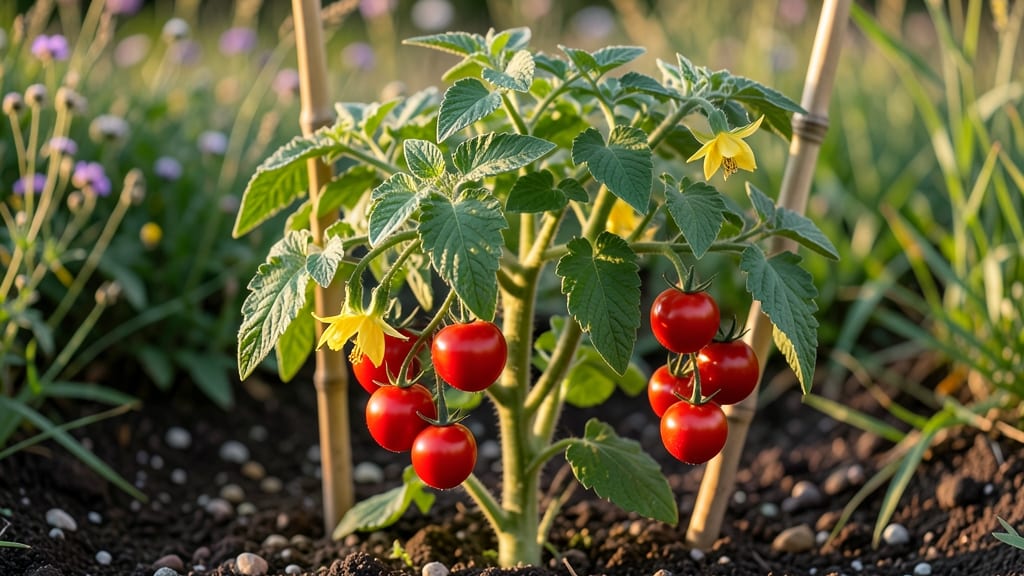
My small cherry tomatoes produce more flavor-packed fruit per square foot than any other tomato I’ve grown—even in my tiny urban balcony. 🌱 The secret isn’t fancy equipment; it’s matching their compact growth habit to the right soil, sunlight, and pruning routine.
Last summer, I went from skeptical to harvesting pints of sweet, bite-sized tomatoes in just 8 weeks. These tiny powerhouses thrive in containers as small as 5-gallon pots, making them perfect for patios, windowsills, or even hanging baskets.
They need 6+ hours of direct sun daily and water that keeps soil consistently moist but never soggy. The key? Pruning suckers early to focus energy on fruit production—something I skipped my first year and paid for with fewer (but bigger) tomatoes.
By mid-July, your plants will be bursting with clusters of 1-inch red jewels, each one sweeter than store-bought. The harvest doesn’t stop there: with proper care, you’ll get 3-4 waves of fruit all season long.
Even my black thumb could master this—once I learned the simple tricks that make all the difference. Works for indoor grow lights too, so you can extend the season into fall or even winter. Here’s how to set yours up for success without the guesswork.
📚 In This Guide
- What you need
- Instructions
- Tips and common mistakes
- Wrapping up and next steps
What you need
- ● Seeds or Seedlings: Cherry tomato seeds (e.g., 'Sweet 100,' 'Sun Gold,' or 'Tiny Tim') – 5-10 seeds per plant or 1-2 healthy seedlings per pot.
- ● Containers or Garden Bed: Containers: 5-10 gallon pots (1 per plant) with drainage holes.
- ● Garden Bed: Well-draining soil, 18-24 inches deep, in full sun (6+ hours/day).
- ● High-Quality Potting Mix: Sterile, well-draining mix (e.g., Miracle-Gro Potting Soil or FoxFarm Ocean Forest).
- ● Fertilizer: Balanced organic fertilizer (e.g., 10-10-10) or tomato-specific feed (e.g., Espoma Tomato-Tone).
- ● Support Structures: Cages (5-6 ft tall) or stakes (3-4 ft) to support vines.
- ● Watering Supplies: Watering can or hose with a gentle nozzle.
- ● Pruning shears – for trimming suckers and dead leaves.
- ● Mulch (straw or shredded leaves) – to retain moisture and suppress weeds.
- ● pH testing kit – to ensure soil pH is between 6.0-6.8.
- ● Grow lights (LED or fluorescent) – for indoor/year-round growing.
- ● Plant markers – to label varieties and track progress.
Step-by-step instructions for growing small cherry tomatoes
Here’s how I grow compact, high-yielding cherry tomatoes that produce all season long—even in small spaces.
🌱 Step 1: Choose the Right Variety and Container
Small cherry tomato varieties like 'Tiny Tim' or 'Tumbling Tom' thrive in containers and produce abundant fruit without sprawling. I always pick determinate types—they stay compact and stop growing when they hit a certain size, making them perfect for patios or balconies.
Use a pot at least 5 gallons for each plant (smaller pots restrict root growth and reduce harvests). Make sure it has drainage holes—no exceptions. I like fabric grow bags because they breathe better than plastic and prevent root-bound issues. If you’re growing in-ground, space plants 18-24 inches apart in well-draining soil.
☀️ Step 2: Plant in Full Sun and Warm Soil
Cherry tomatoes need at least 6-8 hours of direct sunlight daily—no compromises here. A south-facing spot is ideal, but if you’re in a shadier area, supplement with a grow light for 14-16 hours per day. I place mine near a sunny window and rotate the pots weekly so they don’t lean.
Wait until the soil is at least 60°F before planting—cold soil delays germination and stunts growth. If you’re starting seeds indoors, keep them warm with a heat mat until sprouts appear. Transplant seedlings outdoors only after the last frost, when nighttime temps stay above 55°F. Harden them off first by gradually exposing them to outdoor conditions for 5-7 days.
💧 Step 3: Water Deeply and Consistently
Water cherry tomatoes at the base—never overhead—to prevent fungal diseases like blight. I water deeply 2-3 times per week, checking the soil first: if the top 1-2 inches feel dry, it’s time. Overwatering is just as bad as underwatering; soggy soil leads to root rot and dropped fruit.
Mulch around the base with 2-3 inches of straw or shredded leaves to retain moisture and keep roots cool. This is especially important in hot climates—mulch acts like a blanket, protecting the roots from temperature swings. Avoid wetting the leaves when watering; they should stay dry to prevent mildew.
✂️ Step 4: Prune and Support for Maximum Yield
Pinch off the first few flowers that appear until the plant has 5-6 true leaves. This might seem counterintuitive, but it encourages stronger stems and more robust growth. Once established, prune suckers (the small shoots that grow between the main stem and branches) to direct energy into fruit production.
Use cages or stakes to support the plants—4-5 feet tall is typical for determinate varieties. I tie the main stem loosely to the support with soft plant ties, adjusting as the plant grows. Prune any yellow or diseased leaves immediately to keep the plant healthy. The goal is to keep the plant open and airy, which prevents disease and improves airflow.
🍅 Step 5: Harvest and Encourage Continuous Production
Harvest cherry tomatoes when they’re fully colored and slightly soft to the touch—usually 50-60 days after transplanting. The sooner you pick them, the faster new fruit will form. I harvest every 2-3 days in peak season to keep the plant producing. Use scissors or pruners to avoid damaging the stem.
Fertilize lightly every 3-4 weeks with a balanced, water-soluble fertilizer (like 10-10-10) to keep the plant energized. Stop fertilizing 4-6 weeks before the first frost—you want the plant to focus on ripening existing fruit rather than new growth. In colder climates, bring potted plants indoors before frost hits and place them in a sunny, cool (50-60°F) spot to extend the harvest.
Tips & tricks for perfect small cherry tomatoes
These simple strategies will help you maximize your harvest and keep your compact tomato plants thriving all season long.
Container Size Matters: That 5-gallon minimum isn't just a suggestion—it's non-negotiable for determinate varieties. I've seen plants in 3-gallon pots produce half the yield because roots get cramped. If you're growing in-ground, don't skimp on spacing either. Those 18-24 inches between plants give roots room to spread and prevent competition for nutrients.
Sunlight Secret: The 6-8 hours of sunlight is your baseline, but here's what nobody tells you—morning sun is more valuable than afternoon. Position your containers to catch those early rays, and if you're supplementing with grow lights, place them closer to the plants (12-18 inches away) for the 14-16 hours of light. I've found that LED grow lights work better than fluorescent for tomatoes.
Watering Wisdom: That 2-3 times per week guideline works best when your soil drains well. I test moisture by sticking my finger 1-2 inches down—if it feels dry, water until it runs out the drainage holes. The key is consistency: uneven watering causes blossom-end rot. And here's a pro move: water in the morning so leaves dry quickly and prevent fungal issues.
Pruning Payoff: When you pinch those early flowers off to let the plant develop 5-6 true leaves, you're setting yourself up for bigger yields later. I also recommend removing any suckers that grow larger than a pencil—these compete with your fruit for energy. And don't forget to prune any leaves touching the soil to prevent disease.
Pro Tips for Small Cherry Tomatoes
- These simple strategies will help you maximize your harvest and keep your compact tomato plants thriving all season l...
- Container Size Matters: That 5-gallon minimum isn't just a suggestion—it's non-negotiable for determinate varieties. ...
- Sunlight Secret: The 6-8 hours of sunlight is your baseline, but here's what nobody tells you—morning sun is more val...
Frequently asked questions
Got questions about growing or using small cherry tomatoes?
You're not alone! Here are answers to the most common queries to help you cultivate and enjoy these sweet, bite-sized gems with ease.
When do small cherry tomatoes actually ripen?
Cherry tomatoes typically ripen 60–70 days after transplanting, depending on the variety and climate. In warm regions, they may produce fruit year-round, while cooler areas see peak harvests in late summer. Pro tip: Watch for color changes—green turns to yellow, orange, or red—and a slight softness when gently squeezed!
Can I grow small cherry tomatoes in containers?
Cherry tomatoes thrive in containers as long as the pot is at least 12 inches deep and has drainage holes. Use a lightweight potting mix and provide a cage or trellis for support. Just ensure they get 6–8 hours of sunlight daily and water consistently. Bonus: Dwarf varieties like 'Tiny Tim' are perfect for small spaces!
Why aren’t my cherry tomatoes growing?
Slow growth often stems from poor sunlight, over/under-watering, or nutrient deficiencies. Check your plant’s location—they need full sun (6+ hours/day). Yellow leaves? Adjust watering or add balanced fertilizer. Pests like aphids can also stunt growth—spray with soapy water if needed. Fix it: Prune leggy stems to encourage bushier, healthier plants!
How can I use small cherry tomatoes beyond salads?
These versatile gems shine in so many ways! Roast them with olive oil and herbs for a smoky snack, blend into salsas, or skewer with mozzarella for caprese bites. Freeze extras for winter dishes—just blanch first. Fun idea: Make cherry tomato jam with sugar and spices for a sweet-savory twist!
Are small cherry tomatoes easier to grow than regular tomatoes?
Yes! Cherry tomatoes are hardier, faster-growing, and more prolific than larger varieties. They’re also less prone to cracking and often produce fruit earlier. Plus, their compact size makes them ideal for small gardens or urban setups. Downside? They may need more frequent harvesting to keep plants productive. Tip: Pinch off early flowers if seedlings are small to boost root growth!
Wrapping up and next steps
Growing small cherry tomatoes is a rewarding journey that brings fresh, flavorful harvests right to your doorstep—whether in a cozy backyard, balcony, or windowsill! With the right tools and a little patience, you’ll enjoy a year-round supply of these tiny, mighty fruits.
Remember, consistency in care—like pruning, watering, and protecting from pests—is key to a thriving plant.
Ready to dive in? Start by planting your seeds or seedlings this week and watch your garden transform into a vibrant, productive space. Happy growing—your taste buds (and future salads!) will thank you! 🌱🍅