
Vegetables
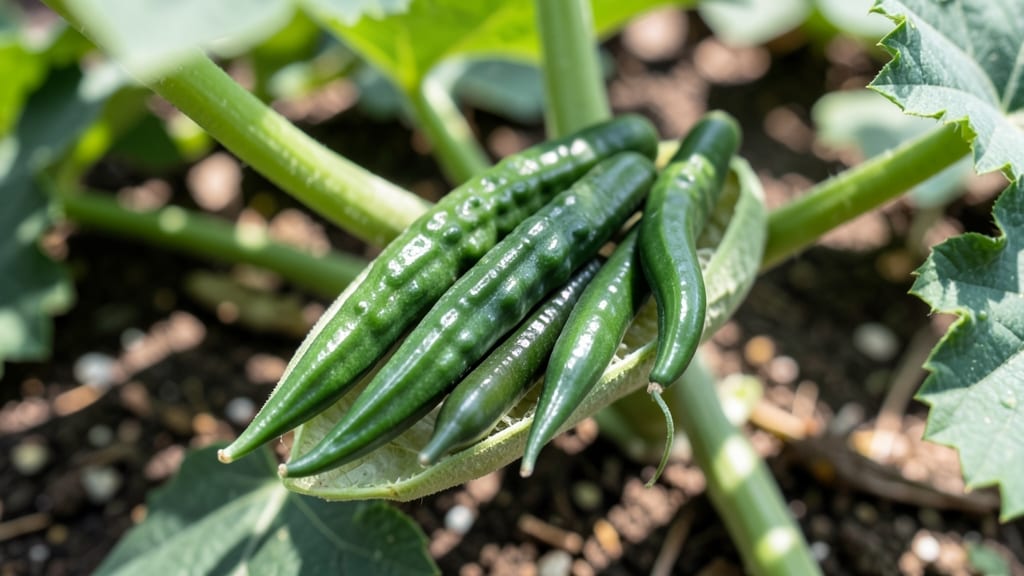
Growing snake cucumber seeds reveals a plant that thrives where most vegetables fail. 🌱 These cold-resistant perennials return year after year with almost no effort—my patch has spread for three seasons without replanting.
The secret lies in their ability to handle frost, drought, and even poor soil, making them the ultimate low-maintenance garden star.
Start with seeds in early spring, just as the soil warms to 50°F, and plant them in well-draining soil with full sun exposure. Unlike annual cucumbers, these don’t need trellises—they sprawl naturally, creating a lush ground cover that suppresses weeds.
Water lightly after planting, then let nature take over; they’re surprisingly drought-tolerant once established.
By midsummer, you’ll see delicate white flowers followed by small, snake-shaped fruits that are edible but rarely harvested for their ornamental value. The real magic? Their zero-fuss revival—they regrow from the roots every spring, saving you time and money. Even my black thumb can’t kill these.
Perfect for borders, slopes, or forgotten corners of the garden, snake cucumbers add texture and resilience without demanding attention. They’re also deer-resistant, a bonus for rural gardeners. Once you plant them, you’ll wonder why you didn’t start sooner!
📚 In This Guide
- What you need
- Instructions
- Tips and common mistakes
- Wrapping up and next steps
What you need
- ● Snake cucumber seeds: 5–10 seeds (organic or non-GMO preferred for best results). Look for Trichosanthes anguina varieties labeled for edible tubers.
- ● Well-draining soil: A mix of 50% garden soil, 30% compost, and 20% perlite or coarse sand (to prevent rot). Snake cucumbers thrive in slightly acidic to neutral soil (pH 6.0–7.0).
- ● Containers or garden bed: For seedlings: 4–6 biodegradable pots (3–4 inches deep) or a seed-starting tray with drainage holes.
- ● For mature plants: A minimum 12-inch-deep garden bed with loose soil or a large container (at least 18 inches wide) with drainage.
- ● Watering can or spray bottle: With a gentle nozzle to avoid disturbing seeds.
- ● Mulch: Straw, shredded leaves, or wood chips (2–3 inches thick) to retain moisture and regulate soil temperature.
- ● Hand trowel (for transplanting seedlings).
- ● Garden gloves (to protect hands from prickly vines).
- ● Trellis or stakes (3–4 feet tall) to support vines if growing vertically.
- ● pH testing kit (to ensure soil conditions are ideal).
- ● Fertilizer: Balanced organic fertilizer (e.g., 5-5-5) or compost tea for a nutrient boost.
- ● Climate: Snake cucumbers are cold-hardy (tolerate temps down to 20°F/-7°C) but thrive in USDA Zones 3–11. Start seeds indoors 4–6 weeks before last frost or direct-sow after soil warms to 50°F/10°C.
- ● Sunlight: Full sun (6–8 hours daily) for best tuber and vine growth.
- ● Patience: These perennials take 90–120 days to mature, but they’ll re-sprout yearly with minimal care!
How to grow snake cucumbers from seed
This hardy perennial thrives with minimal fuss—here's how to get it growing strong in your garden.
🌱 Step 1: Time Your Planting for Spring Warmth
Snake cucumbers (Trichosanthes kirilowii) germinate best when soil reaches 50-60°F—wait until 2-3 weeks after your last frost date when nighttime temperatures stay above 45°F. I plant mine in late April or early May in my Zone 5 garden, always checking the 7-day forecast for no hard freezes predicted.
Direct-sow seeds ½ inch deep in well-drained soil, spacing them 12-18 inches apart (they spread aggressively). I like to plant them along fences or trellises—their vines grow 10-20 feet long if given space. Water the soil thoroughly after planting to encourage quick germination.
☀️ Step 2: Provide Partial Shade and Consistent Moisture
Unlike tropical cucumbers, snake cucumbers tolerate partial shade—they thrive in morning sun with afternoon shade in hot climates. In my garden, I position them where they get 4-6 hours of direct sun, especially in summer when temperatures exceed 85°F. Watch for wilting leaves in intense heat; that's your cue to provide afternoon shade with a lightweight shade cloth.
Keep soil evenly moist but never soggy—these plants hate dry spells. I water deeply 2-3 times per week during dry periods, aiming for 1 inch of water per week. You'll know moisture is right when the top 2 inches of soil feel damp but not waterlogged. Mulch with 2-3 inches of straw to retain moisture and suppress weeds.
🌿 Step 3: Support Vines and Prune for Better Harvests
As vines grow, train them along a trellis, fence, or strong stakes—their weight can snap weak supports. I use 4-6 foot tall bamboo stakes tied with soft twine, adjusting as vines thicken. Prune overly dense growth in early summer to improve airflow; this prevents fungal diseases like powdery mildew that can ruin leaves.
Here's the thing—snake cucumbers produce both flowers and edible shoots. Harvest young shoots (6-12 inches long) for stir-fries, leaving some to flower for future fruit. You'll see white trumpet-shaped flowers appear 6-8 weeks after planting; these develop into small, melon-like fruits that some cultures use in traditional dishes.
⏰ Step 4: Overwinter with Minimal Protection
This cold-hardy perennial dies back in winter but revives from roots. In Zone 4-8, I cut back vines to 2 inches above ground in late fall, then mulch heavily with 4-6 inches of straw or leaves. The roots survive down to 0°F, but extra mulch prevents heaving in freeze-thaw cycles.
In spring, new shoots emerge by early May—no need to replant! I remove old mulch in late March to let sunlight warm the soil. If growth is slow, a light fertilizer (like 5-5-5) in early spring gives them a boost, but they're not heavy feeders.
✂️ Step 5: Harvest Shoots and Manage Spread
Harvest shoots when they're 6-12 inches long for tender, crisp texture. Use clean pruning shears to cut just above a leaf node—this encourages bushier growth. I pick every 2-3 days in peak season to keep production strong. If left unchecked, a single plant can spread 10 feet wide in one season.
To control spread, dig up and divide overcrowded clumps in early spring. Separate roots with a sharp knife, ensuring each section has 3-4 buds. Replant divisions 18 inches apart—they'll establish quickly and produce within 4-6 weeks.
Tips & tricks for perfect snake cucumber growth
These hardy perennials reward patience with minimal effort—here's how to maximize their potential from seed to harvest.
Timing is Everything: The 50-60°F soil temperature window is non-negotiable for germination. I use a soil thermometer to confirm—cold soil delays sprouting. In my Zone 5 garden, I've found that planting 3 weeks after last frost (around late April) gives seeds the best chance to establish before summer heat arrives. If you're in a warmer zone, adjust your timing to avoid the hottest summer months when germination rates drop.
Sunlight Strategy: While snake cucumbers tolerate partial shade, the 4-6 hours of morning sun makes all the difference for vigorous growth. I position my plants near my south-facing fence where they get sun until noon, then natural shade from nearby trees. This balance prevents leaf scorch while maintaining enough energy for shoot production. In extreme heat (above 85°F), I've seen wilting leaves recover within hours when moved to afternoon shade.
Watering Wisdom: The key to consistent moisture is mulching with 2-3 inches of straw immediately after planting. This creates a moisture reservoir that reduces watering frequency to 2-3 times per week during dry spells. I check soil moisture by feeling the top 2 inches—if it's dry, it's time to water deeply. Overwatering is the biggest mistake; soggy soil leads to root rot and stunted growth.
Harvest Hack: For continuous production, I harvest shoots every 2-3 days during peak season. The secret is cutting just above a leaf node with clean pruning shears—this encourages bushier growth at the base. I've found that shoots harvested at 6-12 inches yield the most tender texture, perfect for stir-fries. Leave some shoots to flower for future fruit production, but don't let them grow beyond 18 inches or they'll become tough.
Pro Tips for Snake Cucumber Seeds
- These hardy perennials reward patience with minimal effort—here's how to maximize their potential from seed to harvest.
- Timing is Everything: The 50-60°F soil temperature window is non-negotiable for germination.
- Sunlight Strategy: While snake cucumbers tolerate partial shade, the 4-6 hours of morning sun makes all the difference for vigorous growth.
Frequently asked questions
Got questions about growing snake cucumber seeds? You’re not alone—this unique, cold-hardy perennial has a few quirks! Here are the answers to the most common queries to help you succeed:
How long does it take for snake cucumber seeds to germinate?
Snake cucumber seeds typically sprout in 10–20 days under ideal conditions (warm soil, 70–85°F, and consistent moisture). If your climate is cooler, consider soaking seeds overnight or using a seedling heat mat to speed things up. Patience is key—these seeds aren’t in a rush!
Can snake cucumber survive winter in cold climates?
One of this plant’s superpowers is its perennial nature—it can handle USDA Zones 3–9 with proper mulching (straw or leaves work great). In extreme cold, the foliage may die back, but the roots survive to bounce back in spring. No replanting needed!
What’s the best way to revive a snake cucumber after dormancy?
Reviving snake cucumber is effortless! In early spring, simply trim dead foliage and water lightly. The plant will shoot up on its own—often within 2–4 weeks. For a head start, add a balanced fertilizer (like 10-10-10) when new growth appears. No fuss, just results!
Are snake cucumbers edible, and how do they taste?
Yes! They’re crisp, mild, and slightly sweet—like a cross between a cucumber and a zucchini. Younger fruits (3–5 inches) are best for eating fresh in salads or pickling. Let them mature for sautéing or baking. Pro tip: Harvest regularly to encourage more production!
What can I plant alongside snake cucumbers to improve growth?
Snake cucumbers thrive with companion plants like:
- Bush beans (fix nitrogen in the soil)
- Marigolds (deter pests naturally)
- Nasturtiums (repel cucumber beetles)
Why aren’t my snake cucumber seeds sprouting?
If seeds aren’t germinating, check these fixes:
- Soil temperature: Too cold? Use a seedling heat mat.
- Moisture: Keep soil damp (not soggy) with a spray bottle.
- Seed viability: Test with a paper towel method—wrap seeds in a damp towel for 3 days; viable seeds sprout.
- Light: Seeds need bright, indirect light (not direct sun yet).
Wrapping up and next steps
Growing snake cucumber seeds is a rewarding journey—especially when you unlock a cold-hardy, perennial veggie that thrives with minimal effort! 🌱 Whether you're a seasoned gardener or just starting, these resilient plants offer zero-fuss revival and a bountiful harvest year after year.
With the right prep (like proper spacing, soil prep, and a little patience), you’re set for a thriving garden that outlasts most annuals.
Ready to dive in? Start by gathering your seeds and tools, then follow the steps to plant with confidence. Soon, you’ll be savoring fresh, homegrown snake cucumbers—and maybe even sharing the secret with fellow gardeners! Happy planting! 🌿