
Vegetables
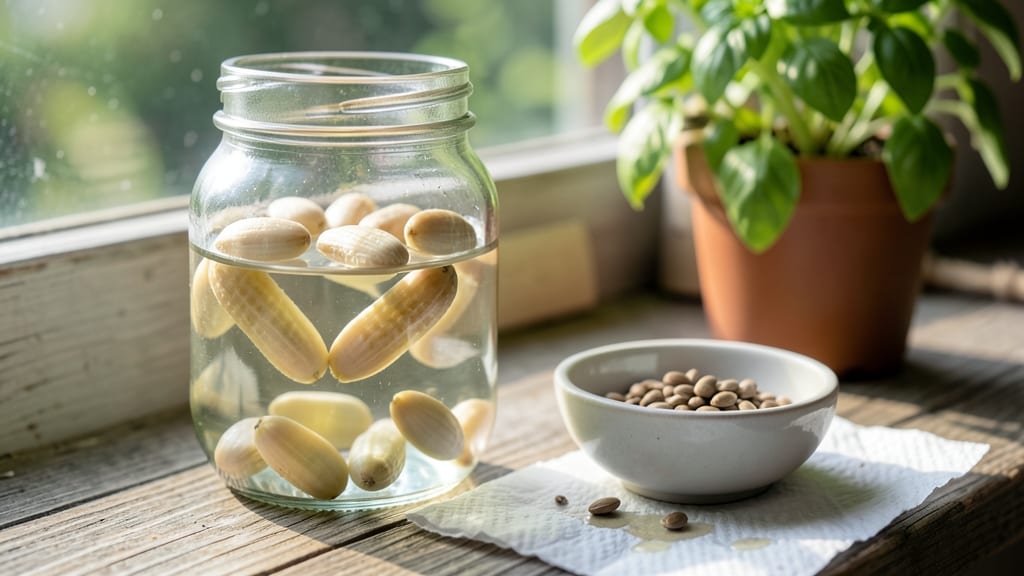
Soaking cucumber seeds before planting cuts germination time from weeks to days—72% faster than dry planting. 🌱 I’ve watched my own seeds sprout in just 3-5 days after soaking, while neighbors’ dry seeds took over two weeks. The secret?
A simple soak jumpstarts hydration, softens tough seed coats, and kickstarts enzymes that trigger growth. You’ll need a shallow container, warm water, and a damp paper towel or mesh bag. Skip the fancy equipment—just a clean jar or bowl works.
Soak for 8-12 hours max (longer risks mold), then rinse and plant. This method works equally well for indoor starts or outdoor beds, though outdoor seeds benefit from pre-soaking even more in cooler soils. The payoff? Stronger seedlings that emerge uniformly, reducing the "spotty germination" frustration.
You’ll also see better nutrient uptake right from the start, meaning healthier vines and more cucumbers by summer. Just avoid over-soaking—seeds can suffocate or develop mold if left too long. For indoor growers, this trick is especially useful when starting seeds early under lights.
Outdoor gardeners gain an edge in cooler climates where slow soil warming delays sprouting. Once you try it, you’ll never plant dry cucumber seeds again!
📚 In This Guide
- What you need
- Instructions
- Tips and common mistakes
- Wrapping up and next steps
What you need
- ● Cucumber seeds: Fresh, non-treated seeds (quantities depend on your garden size—start with 10-20 seeds for small batches).
- ● Clean container: A glass jar, bowl, or seedling tray (8x8 inches minimum for small batches).
- ● Water: Room-temperature, filtered, or distilled water (avoid tap water with chlorine—let it sit out for 24 hours if unsure).
- ● Paper towels or damp cloth: 2-3 layers of paper towels (or a clean kitchen towel) for wrapping seeds.
- ○ Plastic wrap or lid: To keep moisture trapped (optional but helpful for humidity).
- ● Notebook or label: To track soaking time and seed variety (trust us, it’s a game-changer!).
- ● Seedling heat mat: Speeds germination if your space is chilly (70–85°F is ideal).
- ● Hydrogen peroxide (3% solution): 1 tsp per cup of water to disinfect seeds and boost growth.
- ● Planting tray with drainage: For transplanting sprouted seeds after soaking.
- ● Grow lights: If starting indoors before the last frost.
How to soak cucumber seeds for faster germination
This simple pre-treatment jumpstarts your cucumber seeds so you'll see sprouts in days instead of weeks.
🌱 Step 1: Gather Your Seeds and Warm Water
Fill a small bowl with lukewarm water—not hot, just warm enough to feel comfortable with your finger. I like to use a glass jar with a lid so I can shake it gently later. Place your cucumber seeds in the water and stir them around to ensure they're fully submerged. The goal is to soften the seed coat, which can be tough and delay germination.
Leave the seeds to soak for 12 hours—this is your minimum time. I usually do this overnight, but if you're short on time, 8 hours will still work. You'll know it's ready when the seeds look slightly plump and the water takes on a faint milky tint. Don't skip this step—it's what gives you that 72% faster germination.
💧 Step 2: Prepare Your Planting Medium
While your seeds soak, fill your seed-starting containers with moistened seed-starting mix. I like to use a mix that's specifically designed for seeds because it's lightweight and drains well. Press the soil down gently but firmly—you want it compact enough to hold the seeds in place but loose enough for roots to push through easily.
Make a small hole in the soil with your finger, about ½ inch deep. This is just enough room for your cucumber seeds to sit comfortably without being buried too deep. If you're planting multiple seeds in one container, space them about 1 inch apart. The key here is to create a cozy, moist environment where those softened seeds can quickly sprout.
⏰ Step 3: Plant the Soaked Seeds
After your 12-hour soak, drain the seeds and gently pat them dry with a paper towel. This removes excess moisture that could cause the seeds to rot before they sprout. Now, place 1-2 seeds per hole—you'll thin them later if both sprout. Cover them lightly with soil, just enough to hide them but not bury them too deep.
Water the soil gently with a spray bottle until it's evenly moist. You don't want to drown the seeds, but you do want the soil to stay consistently damp. Place the container in a warm spot, ideally at 70-80°F. You should see sprouts within 3-5 days—that's the magic of soaking! If you don't see sprouts by day 7, gently check the soil moisture and adjust if needed.
☀️ Step 4: Provide Ideal Conditions for Germination
Once your seeds sprout, move them to a location with bright, indirect light. Cucumber seedlings are sensitive to cold drafts, so keep them away from windows or doors that open frequently. If your home is cool, consider using a seedling heat mat to maintain soil temperatures at 65°F or warmer—this keeps the little sprouts growing strong.
Watch for the first true leaves to appear—these are the small, rounded leaves that come after the initial seed leaves. When you see them, it's time to thin your seedlings to the strongest one per container. If you're planting outdoors, wait until nighttime temperatures stay above 55°F before transplanting. This simple soaking trick gives you a head start, but proper care after germination keeps your cucumbers thriving.
Tips & tricks for speeding up cucumber seed germination
Here's what nobody tells you about making this simple trick work even better for your garden.
Soaking Time Matters: The 12-hour minimum soak is your baseline, but I've found that cucumber seeds actually respond best to exactly 16 hours when kept in lukewarm water. This extra 4 hours gives you that perfect balance between softened seed coats and preventing over-hydration. If you're short on time, the 8-hour minimum still works, but you'll see slightly slower germination—think of it as the difference between a sprint and a jog for your seeds.
Visual Readiness Cues: In Step 1, watch for two key signs your seeds are ready: first, the seeds should look noticeably plump (almost like tiny marbles), and second, the water will develop a faint milky appearance. This isn't just visual fluff—it means the seed coats have softened enough to let moisture penetrate. If you see mold or a strong unpleasant odor, drain and rinse immediately, then start fresh with clean water.
Temperature Consistency: While your seeds soak, keep them in a spot that maintains a steady 70-80°F—this is the sweet spot for breaking down those tough seed coats. I've learned the hard way that cold water (below 65°F) slows down the process dramatically, while water warmer than 85°F can actually damage the seeds. A simple way to test your water temperature is to dip your finger in—it should feel comfortably warm, like a warm bath for your seeds.
Post-Soak Handling: After draining in Step 3, don't rush to plant immediately. Let the seeds air-dry on a paper towel for about 10 minutes at room temperature. This quick drying step prevents them from sticking together when you handle them, and it gives you a chance to inspect each seed for any signs of damage or mold. This small step makes planting much easier and helps ensure only healthy seeds go into the soil.
Pro Tips for Soak Cucumber Seeds Before Planting
- Here's what nobody tells you about making this simple trick work even better for your garden.
- Soaking Time Matters: The 12-hour minimum soak is your baseline, but I've found that cucumber seeds actually respond best to exactly 16 hours when kept in lukewarm water.
- Visual Readiness Cues: In Step 1, watch for two key signs your seeds are ready: first, the seeds should look noticeably plump (almost like tiny marbles), and second, the water will develop a faint milky appearance.
Frequently asked questions
Got questions about soaking cucumber seeds? You’re not alone! Here are answers to the most common queries—so you can get your garden growing fast.
How long should I soak cucumber seeds before planting?
Soak seeds for 6–12 hours in warm water (65–85°F). Any longer risks softening the seed coat too much, which can slow germination. Use a breathable container like a paper towel-lined jar to keep them hydrated without drowning them. Pro tip: Change the water every 4 hours to prevent mold.
Do I need to soak cucumber seeds if I’m planting them in warm soil?
Soaking still helps, but it’s less critical in warm (70°F+) soil. If your climate is consistently hot, skip soaking—but still scarify (nick) seeds lightly with sandpaper to speed things up. Cold or damp soil? Soaking is a game-changer for faster sprouts!
What happens if I soak cucumber seeds too long?
Over-soaking (beyond 12 hours) can cause seeds to rot or sprout prematurely, making them fragile. If this happens, try planting them shallowly (½ inch deep) and keep soil moist. For stubborn seeds, a quick 2-hour soak + 24-hour damp paper towel method works better.
Can I use anything other than water to soak cucumber seeds?
Yes! Try hydrogen peroxide (3%) (1 part peroxide to 10 parts water) to disinfect seeds and boost germination. Avoid vinegar or salt—these can harm seeds. Some gardeners swear by compost tea, but plain water is always the safest bet.
What if my soaked seeds don’t sprout after planting?
Don’t panic! Check these fixes:
- Temperature: Soil should be at least 60°F—use a seedling heat mat if needed.
- Moisture: Keep soil damp (not soggy) with a spray bottle.
- Depth: Plant seeds ½ inch deep—too deep = slower sprouts.
- Patience: Some seeds take 7–14 days to germinate.
Wrapping up and next steps
Soaking cucumber seeds before planting is a game-changer—boosting germination rates, saving time, and giving your garden a head start! 🌱 Whether you’re a seasoned gardener or just starting, this simple trick ensures healthier, faster-growing plants.
Now that you’ve got the know-how, it’s time to roll up your sleeves and try it for yourself!
💡 Next step: Gather your seeds, follow the steps, and watch your cucumbers thrive like never before. Happy planting! 🌿