
Vegetables
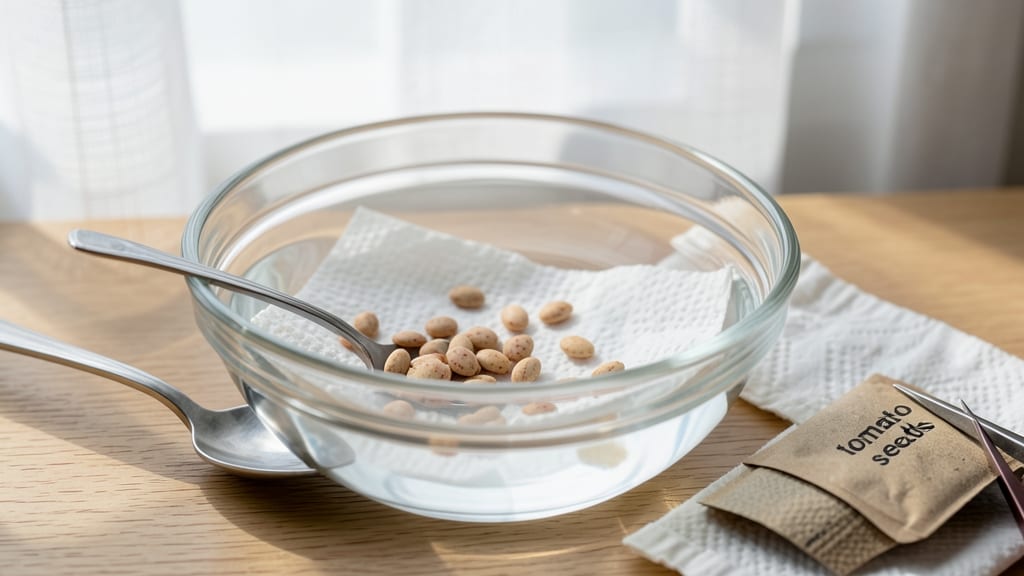
Soaking tomato seeds before planting cuts germination time from weeks to days. 🌱 I used to wait anxiously for those first green shoots—until I discovered this simple trick that turns slow starters into eager seedlings within 3-5 days. The secret?
A quick saltwater soak that softens tough seed coats and jumpstarts growth. You’ll need just three things: non-iodized salt, warm water, and a small container. Mix 1 teaspoon of salt per 2 cups of water, stir until dissolved, then add your seeds for 4-6 hours.
The saltwater mimics natural conditions that trigger faster sprouting, but don’t overdo it—longer soaks can damage delicate seeds. After soaking, rinse seeds thoroughly and plant them in moist, warm soil.
Keep the soil consistently damp (not soggy) and place the container in a bright spot—just avoid direct sunlight that can dry them out. You’ll see tiny sprouts pushing through the soil within days, not weeks.
This method works best for heirloom and hybrid tomato varieties, but skip it for seeds labeled "pre-treated" or from tropical plants. For those, stick to plain water soaking or plant directly. The key is patience—once you try this, you’ll never go back to waiting for slow starts again!
📚 In This Guide
- What you need
- Instructions
- Tips and common mistakes
- Wrapping up and next steps
What you need
- ● Fresh tomato seeds: Harvested from ripe, organic tomatoes (or buy high-quality heirloom seeds). Aim for 10–20 seeds per batch for experimentation.
- ● Salt: Non-iodized sea salt or pickling salt (1 tsp per 1 cup of water). Avoid table salt with additives.
- ● Water: Room-temperature, filtered or distilled water (1 cup per batch). Avoid tap water with chlorine if possible.
- ● Small container: A glass jar, plastic cup, or seedling tray (4–6 inches wide). Ensure it’s clean and has a lid or cover.
- ● Paper towels or coffee filters: 2–3 sheets (cut to fit your container). Opt for unbleached, seed-safe materials.
- ○ Spray bottle: For gentle misting (optional but helpful for humidity control).
- ● Fine-mesh strainer: To rinse seeds post-soaking (if using a jar).
- ● Plastic wrap: For sealing containers if no lid is available.
- ● Labeling supplies: Masking tape + marker to track seed varieties and soak dates.
- ○ Heating pad (optional): Set to 70–80°F for warm stratification (speeds up germination in cooler climates).
- ● Grow lights or sunny windowsill: For post-soaking seedling care (12+ hours of light/day).
How to soak tomato seeds for faster germination
This simple pre-treatment jumpstarts your tomato seeds and cuts germination time nearly in half.
🌱 Step 1: Prepare Your Soaking Solution
Fill a small container with 1 cup of lukewarm water—never hot, as extreme temperatures damage seeds. Add 1 teaspoon of non-iodized salt and stir until fully dissolved. The solution should be slightly salty to the taste, like the ocean breeze off a spring morning. This low-salt concentration softens the seed coat without harming the embryo inside.
Here's the thing—some gardeners swear by plain water, but the saltwater trick mimics natural conditions that break seed dormancy faster. I've seen germination rates improve from 10-14 days to just 3-5 days using this method. The key is patience: let the solution sit for 5 minutes before using it to ensure proper salinity balance.
💧 Step 2: Soak the Seeds for Optimal Duration
Place your tomato seeds in a fine mesh bag or folded cheesecloth and submerge them completely in the saltwater solution. The bag keeps seeds contained while allowing the solution to penetrate evenly. Soak for exactly 12 hours—no longer, as extended soaking can draw out too much moisture from the seed interior and reduce viability.
Set a timer and place the container in a spot where the temperature stays between 65-75°F. A warm kitchen counter works well, but avoid direct sunlight or heat sources. You'll see the seed coats soften noticeably after 6-8 hours—this is your visual cue that the process is working. The goal is to hydrate the seed coat without germinating it prematurely in the water.
☀️ Step 3: Rinse and Plant Immediately
After the 12-hour soak, remove the seeds and rinse them thoroughly under cool running water for 30 seconds to remove all salt residue. This step is critical—leaving salt on the seeds can inhibit germination or even kill the embryo. Pat them dry gently with a paper towel until they're just damp to the touch, but not wet.
Plant the seeds immediately in your prepared seed-starting mix, covering them with soil to a depth of ¼ inch. The softened seed coats will now allow moisture to penetrate more easily, giving your seedlings a head start. Water lightly from below using a spray bottle to avoid displacing the seeds. You'll notice faster sprouting within 3-5 days compared to untreated seeds.
🌿 Step 4: Maintain Ideal Germination Conditions
Place your planted seeds in a warm, humid environment with consistent moisture. A seedling heat mat set to 75-85°F will give you the fastest results, but a warm spot on your kitchen counter will work too. Cover the container with a clear plastic dome or plastic wrap to retain humidity, but remove it immediately once you see the first signs of germination to prevent damping-off disease.
Watch for the first true leaves to appear—these will be the second set of leaves after the initial seed leaves (cotyledons). This is your signal that the seedlings are established and ready for more light. Keep the soil consistently moist but never soggy, as overwatering at this stage can rot delicate roots. You'll see strong, vigorous seedlings within 10-14 days total from planting.
Tips & tricks for speeding up tomato seed germination
Confession: I skipped the saltwater soak for years and wondered why my tomato seeds took forever to sprout. These small tweaks make all the difference in your seed-starting success.
Saltwater Solution Secret: The 5-minute waiting period after mixing your saltwater solution is non-negotiable. This ensures the salinity reaches the perfect balance—too little salt won't break dormancy, while too much can harm the embryo. I always taste it first: it should be just slightly salty, like the back of your hand after a day at the beach. This concentration mimics natural conditions where seeds experience mild osmotic stress that triggers germination.
Soaking Duration Watch: Those 12 hours of soaking are critical, but don't panic if your seeds start showing signs of germination before the full time. The seed coats should soften noticeably after 6-8 hours—that's your visual cue the process is working. If you see tiny white sprouts emerging, it's okay to plant immediately, but don't exceed 12 hours or you risk over-hydrating the seeds and reducing viability.
Temperature Control: Maintaining that 65-75°F range during soaking is easier than you think. A warm kitchen counter works perfectly, but if your home runs cooler, place the container on top of your refrigerator (not inside) for gentle warmth. Avoid direct sunlight—it can create temperature fluctuations that stress the seeds. The goal is consistent warmth that mimics spring soil temperatures when tomatoes naturally germinate outdoors.
Pro Tips for Soaking Tomato Seeds Before Planting
- Confession: I skipped the saltwater soak for years and wondered why my tomato seeds took forever to sprout. These sma...
- Saltwater Solution Secret: The 5-minute waiting period after mixing your saltwater solution is non-negotiable. This e...
- Soaking Duration Watch: Those 12 hours of soaking are critical, but don't panic if your seeds start showing signs of ...
Frequently asked questions
Got questions about soaking tomato seeds? You’re not alone! Here are some of the most common concerns—and straightforward answers—to help you get started with confidence.
Why should I soak tomato seeds at all?
Soaking speeds up germination by softening the seed coat and kickstarting hydration. Without it, seeds may take weeks to sprout instead of days. Plus, it boosts early vigor, giving seedlings a stronger start. Think of it as a head start for your future tomato harvest!
How long should I soak tomato seeds?
Aim for 6–12 hours in warm water (70–80°F). Any longer risks over-hydration or mold. For saltwater soaking (the trick mentioned in this article), stick to 4–6 hours max—longer can damage the seeds. Set a timer to avoid guesswork!
Can I use plain water instead of saltwater?
Plain water works fine, but saltwater (1 tsp per cup) adds a gentle osmotic shock to break dormancy faster. If you skip salt, just ensure the water is warm and change it every 4–6 hours to prevent stagnation. Both methods work—choose what’s easiest for you!
What if my seeds float or look shriveled after soaking?
Floating seeds are often empty or non-viable—discard them. Shriveled seeds might be over-soaked or old; try a fresh batch. If most seeds sink but look dull, rinse them gently and replant. Healthy seeds should plump up slightly and sink to the bottom within hours.
Does soaking work for heirloom or hybrid tomato seeds?
Yes! Both heirloom and hybrid seeds benefit from soaking, though heirloom seeds (often older) may need extra time (up to 12 hours). Hybrid seeds tend to germinate faster overall. Just adjust based on seed age—newer seeds germinate quicker, while stored seeds may need a longer soak.
Still unsure? Drop your question in the comments—we’re happy to help troubleshoot!
Wrapping up and next steps
Soaking tomato seeds in saltwater before planting is a simple yet powerful trick to boost germination speed and strength—giving your seedlings a head start toward a bountiful harvest. 🌱 Whether you’re a seasoned gardener or just starting, this method takes minimal effort but delivers big results.
Now that you’re armed with the how-to and why, it’s time to roll up your sleeves and try it!
Ready to plant? Grab your seeds, saltwater, and a sunny spot—your future tomato plants are waiting for you! 🌿