
Vegetables
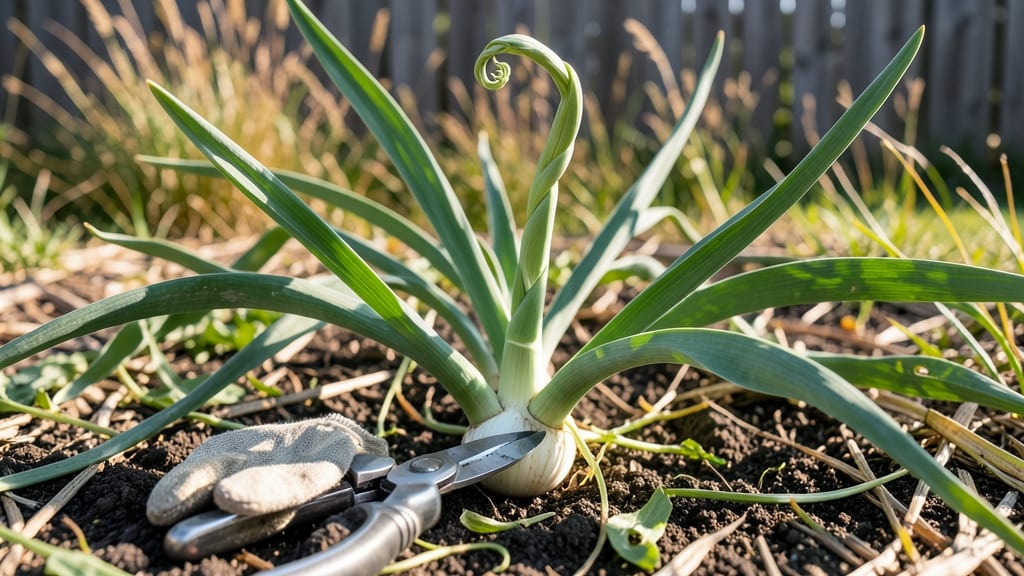
Softneck garlic scapes are the curly green stems that emerge from your garlic plants—harvesting them boosts bulb size and gives you a free, flavorful bonus. 🌱 I learned the hard way that leaving them too long weakens the bulbs, but removing them at the right time turns a "waste" product into a garden game-changer.
These delicate shoots pack a mild garlic punch and grow back stronger, making them one of nature's most generous rewards.
The best time to harvest is when the scape forms a tight loop—about 3-4 inches long—before it starts to straighten. Use clean pruners or sharp scissors to snip just above the first 4-6 leaves, leaving the bulb undisturbed.
This 30-second pruning triggers the plant to redirect energy into bigger, firmer bulbs while giving you fresh greens for cooking or composting. The key is speed: harvest in the morning for the freshest flavor and best regrowth.
You can use scapes in countless ways—sauté them like green onions, blend into pesto, or pickle them for a tangy snack. But here's the secret: composting them whole after harvest actually improves soil fertility for next year's crop.
The more you harvest, the more robust your garlic plants become, creating a self-sustaining cycle. Just avoid over-pruning—never take more than one scape per stalk to keep the bulb healthy.
After harvesting, store scapes in the fridge for up to a week or freeze them for later use. The bulbs will continue growing until the lower leaves yellow—then it's time to harvest them for curing.
This method has turned my garlic harvest from decent to exceptional, with bulbs that store perfectly through winter. The best part? You get to enjoy both the scapes and the bulbs without sacrificing quality.
📚 In This Guide
- What you need
- Instructions
- Tips and common mistakes
- Wrapping up and next steps
What you need
- ● Fresh softneck garlic scapes: 1–2 bunches (harvest when curly tendrils are 10–12 inches long for peak tenderness).
- ● Olive oil or neutral oil (like vegetable or avocado): 2–3 tablespoons (for sautéing or roasting).
- ● Salt: To taste (preferably flaky sea salt or kosher salt for best flavor).
- ○ Garlic (optional but recommended): 2–3 cloves, minced (enhances depth of flavor).
- ○ Fresh herbs (optional): 1 tablespoon chopped parsley, chives, or basil (for brightness).
- ● Chef’s knife or kitchen shears: For trimming scapes (a sharp knife makes prep a breeze!).
- ● Cutting board: Any size—just make sure it’s clean and stable.
- ● Large skillet or sauté pan: 10–12 inches in diameter (stainless steel or cast iron works best).
- ● Tongs or spatula: For flipping scapes without crushing them.
- ○ Mixing bowl (optional): For tossing scapes with oil or herbs before cooking.
- ○ Baking sheet (optional):** If roasting scapes (line with parchment paper for easy cleanup).
- ● Time: 10–15 minutes of active prep + cooking time (quick and satisfying!).
- ● Patience: Let scapes sit at room temp for 10 minutes before cooking to soften slightly.
- ○ Optional pro tip: If scapes are woody, blanch in boiling water for 30 seconds to tenderize!
How to revive softneck garlic after scaping for maximum regrowth
Here's the simple method I use to keep my softneck garlic thriving after harvest—no fuss, just results.
🌱 Step 1: Harvest Scapes at the Right Time
Look for scapes that form a tight spiral, about 12-18 inches long. When they start to straighten out and lose their tight curl, that's your cue—they're past prime for regrowth. I harvest mine in late spring when the curls are still compact but the tips begin to loosen.
Use clean, sharp scissors to cut the scape just above the lowest leaf. This ensures the plant redirects energy back into the bulb instead of wasting it on the spent scape. Avoid pulling or tearing—you'll damage the stem and slow regrowth for weeks.
✂️ Step 2: Prune for Stronger Bulb Development
After harvesting, inspect the plant for any additional side scapes or weak shoots. These compete with the main bulb for nutrients, so I remove them completely at the base. Use your fingers to gently twist off any small side growths—no need for tools here.
Focus on maintaining 3-4 of the strongest, healthiest leaves on each stalk. If you see yellowing or brown leaves, trim those back to 2 inches above the soil line. This redirects energy to the bulb while preventing disease from spreading through damaged foliage.
💧 Step 3: Adjust Watering for Bulb Growth
Reduce watering immediately after scaping—your garlic doesn't need extra moisture now. Instead, water deeply every 7-10 days until the soil feels 2-3 inches dry at the surface. Overwatering at this stage leads to soft, weak bulbs that won't store well.
I check moisture by sticking my finger into the soil. If it feels damp but not soggy, hold off. If it's bone dry, give it a thorough soak. The goal is consistent moisture without creating a swampy environment around the bulbs.
☀️ Step 4: Provide Consistent Sunlight
Softneck garlic thrives in full sun (6-8 hours daily), but after scaping, it needs steady light to rebuild. If your plants start leaning toward the sun, rotate the pots a quarter turn every 3-4 days to keep them upright.
Watch for signs of stress: leaves turning pale yellow or stretching excessively mean your garlic needs more light. If you're growing in containers, move them to a sunnier spot immediately. Leggy growth won't recover—it's a sign the plant is desperate for light.
🌿 Step 5: Fertilize for Next Year's Harvest
About 4-6 weeks after scaping, apply a balanced 10-10-10 fertilizer at half strength. I mix it into the top 2 inches of soil around the base, being careful not to disturb the bulbs. This gives your garlic a nutrient boost without overwhelming it.
Skip high-nitrogen fertilizers now—they promote leaf growth at the expense of bulb development. Your garlic needs phosphorus and potassium to build strong, plump cloves for next season. Water the soil thoroughly after fertilizing to help nutrients reach the roots.
Tips & tricks for maximum softneck garlic regrowth
Want to turn your scaped garlic into next year's bumper crop? These game-changing tips will help you avoid common pitfalls and get the best possible results.
Timing is Everything: Harvest scapes when they're still tightly curled but the tips show the slightest loosening—that's the perfect window for regrowth. I've learned the hard way that waiting too long means lost energy that could've gone to the bulb. If you miss this window, you can still salvage the plant, but expect smaller bulbs next season.
Pruning Precision: When removing side scapes in Step 2, focus on keeping those 3-4 strongest leaves—they're your plant's powerhouse for rebuilding. I always run my fingers along the stem to feel for any hidden side shoots I might've missed. These sneaky little competitors can drain energy from your main bulb if left unchecked.
Watering Wisdom: The 7-10 day watering schedule in Step 3 is non-negotiable for bulb development. I've seen garlic plants drown themselves when gardeners overcompensate after scaping. To test moisture, stick your finger 2-3 inches deep—if it comes out clean, water; if it's damp, wait. This simple check prevents the soggy bulbs that won't store well.
Sunlight Strategy: Those 6-8 hours of daily sun are crucial, but don't just plop your garlic in one spot. I rotate my containers every 3-4 days to prevent leaning. Watch for pale yellow leaves—that's your plant's SOS for more light. Once your garlic starts stretching toward the sun, it's too late to save that season's growth.
Pro Tips for Softneck Garlic Scapes
- Want to turn your scaped garlic into next year's bumper crop?
- Timing is Everything: Harvest scapes when they're still tightly curled but the tips show the slightest loosening—that's the perfect window for regrowth.
- Pruning Precision: When removing side scapes in Step 2, focus on keeping those 3-4 strongest leaves—they're your plant's powerhouse for rebuilding.
Frequently asked questions
Got questions about softneck garlic scapes?
You’re not alone! Here are some of the most common queries—plus quick, practical answers to help you grow, harvest, and enjoy them like a pro.
What are softneck garlic scapes, and why should I grow them?
Softneck garlic scapes are the curly, green shoots that sprout from garlic bulbs in spring. They’re edible, nutrient-packed (high in vitamin C and antioxidants), and a zero-waste way to extend your harvest. Plus, removing them encourages bigger, healthier bulbs—so it’s a win-win!
When is the best time to harvest softneck garlic scapes?
Harvest scapes when they’re 6–8 inches long and the curl is about half-formed (usually 4–6 weeks after sprouting). If you wait too long, they’ll toughen or flower, reducing flavor. Morning harvests work best—they’re crispest and easier to handle.
How do I harvest and store softneck garlic scapes?
Cut scapes 1–2 inches above the bulb with clean scissors or pruners. Rinse gently, then store them in a paper towel-lined container in the fridge for up to 1 week. For longer storage, blanch and freeze them (they’re great in pesto!).
Can I regrow softneck garlic from scapes?
Plant the bottom 1–2 inches of the scape (the part with nodes) in soil, keeping the curl above ground. Water lightly and place in partial shade. New bulbs will form at the base—just be patient (they take 6–8 months to mature). It’s like garlic magic!
What’s the easiest way to use softneck garlic scapes in cooking?
Try these quick ideas:
- Pesto: Blend scapes with nuts, olive oil, Parmesan, and lemon juice.
- Stir-fries: Slice thinly and sauté with garlic, ginger, and veggies.
- Roasted: Toss with olive oil, salt, and roast at 400°F (200°C) for 15 mins.
- Pickled: Combine with vinegar, sugar, and spices for a tangy snack.
What if my scapes turn yellow or wilt before harvest?
Yellowing or wilting can signal overmaturity, heat stress, or pests. If it’s early spring, they might just need more time. For pests (like aphids), spray with soapy water. If the bulb looks weak, consider replanting it—sometimes scapes signal the plant is diverting energy away from bulb growth.
Wrapping up and next steps
Growing and cooking with softneck garlic scapes is a rewarding way to extend your harvest and elevate your dishes with minimal effort! These delicate, flavor-packed twists not only regrow your garlic but also add a unique, mild garlic taste to your meals.
Whether you’re sautéing, pickling, or blending them into pesto, you’re turning scraps into something spectacular—zero waste, all flavor! 🌱✨
Ready to dive deeper? Try experimenting with a new recipe—maybe a garlic scape pesto or a refreshing scape-infused olive oil—and share your creations with fellow gardeners. Happy growing (and cooking)! 🥬🍴