
Vegetables
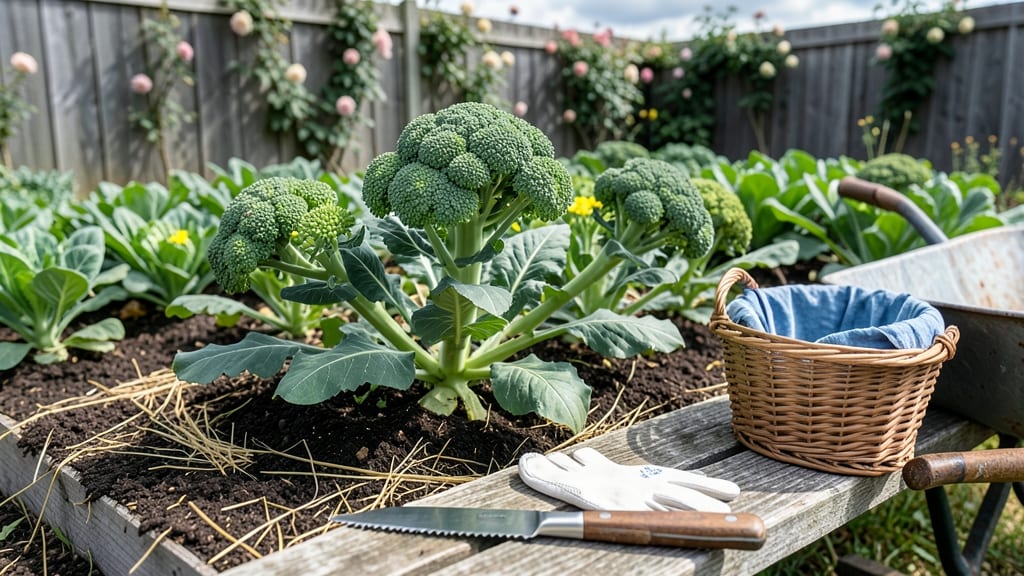
Southern California’s winter vegetables thrive when you plant the right crops at the perfect time—think crisp kale, sweet carrots, and tender broccoli all year long. 🌱 The secret lies in leveraging the region’s mild winters while avoiding unexpected frost, which can turn a bountiful harvest into a sad pile of wilted greens.
Most gardeners here focus on cool-season crops like lettuce, peas, and spinach, but the real magic happens when you add hardier varieties like cabbage, Brussels sprouts, and even overwintering onions.
The key is timing: start seeds indoors in late summer or transplant young plants in early fall, giving them time to establish roots before winter sets in. By mid-winter, you’ll be harvesting vibrant greens and root vegetables that store well for months.
The soil stays workable, pests are fewer, and the cooler temps actually improve flavor in crops like carrots and radishes. It’s the gardening sweet spot—no summer heat stress, just steady growth.
For best results, test your soil pH (aim for 6.0-7.0), mulch heavily to retain moisture, and watch for those rare cold snaps. A simple row cover can save your plants when temps dip below 28°F. Here’s how to make it work!
📚 In This Guide
- What you need
- Instructions
- Tips and common mistakes
- Wrapping up and next steps
What you need
- ● Seeds or seedlings: Broccoli (4-6 plants)
- ● Cabbage (2-3 plants)
- ● Kale (3-5 plants)
- ● Spinach (2-3 packets, ~50 seeds)
- ● Carrots (1 packet, ~50 seeds)
- ● Peas (1 packet, ~100 seeds)
- ● Lettuce (3-4 plants or 1 packet)
- ● Soil: 1-2 cubic yards of well-draining, organic-rich soil (or compost blend)
- ● Fertilizer: Balanced organic fertilizer (e.g., 10-10-10) or compost tea
- ● Mulch: Straw or wood chips (2-3 inches thick for 10 sq ft)
- ● Garden trowel or hand shovel
- ● Garden fork (for soil aeration)
- ● Watering can or drip irrigation system
- ○ Row covers or frost cloth (optional, for extra protection)
- ● Gloves and knee pads (for comfort!)
- ● Sunny spot with 4-6 hours of sunlight daily (partial shade is fine for leafy greens)
- ● Well-draining soil (amend with compost if needed)
- ● Consistent watering schedule (1-1.5 inches per week)
- ● Patience! Most winter veggies take 4-8 weeks to harvest.
- ● Seedling trays (for starting indoors)
- ● Trellis or stakes (for peas or climbing beans)
- ● Soil pH test kit (ideal range: 6.0-7.0)
- ● Organic pest control (neem oil, companion plants like marigolds)
How to plant and maintain Southern California winter vegetables
Your mild winter climate is perfect for growing hardy crops—here’s how to make the most of it.
🌱 Step 1: Choose the Right Winter Vegetables for Your Climate
Southern California’s cool, wet winters are ideal for cold-hardy vegetables like kale, spinach, broccoli, and carrots. These plants thrive in temperatures between 40-65°F and can handle light frost, unlike tender summer crops. I always plant leafy greens first—they grow quickly and provide harvests before spring heat arrives.
For best results, focus on varieties labeled as "cool-season" or "winter-hardy." Check seed packets for days to maturity—you’ll want to time plantings so harvests align with your winter schedule. For example, spinach matures in 30-40 days, while broccoli takes 60-80 days.
☀️ Step 2: Prepare the Soil for Optimal Growth
Winter vegetables need well-draining, nutrient-rich soil to prevent rot and encourage strong root development. Before planting, work in 2-3 inches of compost or aged manure into the top 6 inches of soil. This improves drainage and provides slow-release nutrients that plants will need as they grow.
Test your soil’s pH—most winter vegetables prefer a slightly acidic to neutral range of 6.0-7.0. If your soil is heavy clay, mix in 1 part sand or perlite to 3 parts soil to improve aeration. Amend the soil at least 2 weeks before planting to let nutrients settle and microbes break down organic matter.
💧 Step 3: Plant at the Right Time and Depth
In Southern California, start planting winter vegetables in late summer or early fall—typically 6-8 weeks before your first frost. For seed-starting, sow directly in the garden for crops like carrots and beets, as they dislike transplanting. For broccoli and cabbage, start seeds indoors 4-6 weeks before the first cool snap, then transplant seedlings when they have 3-4 true leaves.
Plant seeds at the depth recommended on the packet—usually twice the seed diameter. For example, spinach seeds (1/8 inch diameter) go 1/4 inch deep. Space rows 12-18 inches apart to allow airflow and prevent fungal diseases. Water gently after planting to settle the soil without disturbing seeds.
✂️ Step 4: Maintain with Proper Watering and Protection
Winter vegetables need consistent moisture, but avoid overwatering—soil should stay evenly damp but not soggy. Water deeply 1-2 times per week, depending on rainfall, and always in the morning to reduce fungal risks. Use a drip irrigation system or soaker hose to deliver water directly to the roots without wetting the leaves.
If frost is forecasted, cover young plants with frost cloth or row covers at dusk. Remove them during the day to let sunlight through. Mulch with 2-3 inches of straw or wood chips to insulate roots and retain moisture. Watch for pests like aphids or cabbage worms—handpick them early or use neem oil for organic control.
🌿 Step 5: Harvest at Peak Flavor and Extend the Season
Harvest leafy greens like spinach and kale by cutting outer leaves, leaving the inner growth to continue producing. For broccoli, pick heads when they’re firm and 3-5 inches wide—waiting too long makes them bitter. Carrots and beets are ready when tops are 4-6 inches tall and roots are 1-2 inches in diameter.
To extend your harvest, succession plant every 2-3 weeks until late winter. Use cold frames or low tunnels to protect tender crops like lettuce from occasional chilly nights. Rotate crops next season to prevent soil-borne diseases and keep your garden productive year-round.
Tips & tricks for perfect Southern California winter vegetables
A few simple strategies will help you maximize your winter garden's potential without the guesswork. Southern California’s unique climate gives you a head start, but these tricks will ensure your hardy greens and root vegetables thrive all season long.
Climate-Specific Planting Timing: Since your first frost typically arrives between November and January, aim to plant leafy greens like spinach and kale in early October. These fast growers (ready in 30-40 days) will give you early harvests before spring temperatures rise. For slower crops like broccoli (60-80 days), start seeds indoors 4-6 weeks before your expected frost date to get a jump on the season.
Soil Prep for Winter Crops: The 2-3 inches of compost you work into the top 6 inches of soil isn't just about nutrients—it's about insulation. Cold soil can stunt root growth, so this layer helps maintain consistent temperatures between 40-65°F. For clay-heavy soils, mix in that 1:3 ratio of sand or perlite to prevent compaction that can suffocate roots during winter rains.
Frost Protection Hacks: When frost is forecasted, don't just throw a blanket over your plants—use frost cloth or row covers instead. These breathable fabrics allow sunlight while trapping heat, protecting tender young plants without smothering them. Pro tip: Secure the edges with bricks or weights so wind doesn't rip them away during the night.
Harvesting Without Ruining Future Growth: For leafy greens, always cut from the outer leaves downward at a 45-degree angle. This exposes new growth while maintaining the plant's shape. For broccoli, harvest the main head first, then watch for side shoots that will develop in the following weeks. This technique can extend your harvest window by up to 30 days for each plant.
Pro Tips for Southern California Winter Vegetables
- A few simple strategies will help you maximize your winter garden's potential without the guesswork. Southern Califor...
- Climate-Specific Planting Timing: Since your first frost typically arrives between November and January, aim to plant...
- Soil Prep for Winter Crops: The 2-3 inches of compost you work into the top 6 inches of soil isn't just about nutrien...
Frequently asked questions
Got questions about growing winter veggies in Southern California’s mild climate? You’re not alone! Here are answers to the most common queries—from timing to troubleshooting—so you can enjoy a thriving harvest all season long.
What are the best winter vegetables to grow in Southern California?
Stick with cold-hardy picks like kale, broccoli, carrots, spinach, and peas. These thrive in temps between 40°F and 60°F. Avoid heat-sensitive crops like tomatoes or peppers—they’ll bolt or struggle. Pro tip: Try arugula or radishes for quick, peppery harvests!
When should I plant winter vegetables in SoCal?
Start seeds or transplants in late summer to early fall (August–October) for a winter harvest. For spring crops, plant in January–February. Avoid planting too early—cool soil can stunt growth. Check your frost dates (rare in SoCal, but possible in inland areas) and aim for 6–8 weeks before the first chill.
Can I grow summer vegetables like tomatoes in winter?
Not outdoors! Tomatoes need warmth (70°F+) to thrive. For winter, opt for cold-tolerant substitutes like kale or Swiss chard. If you’re craving tomatoes, try cherry tomato varieties in containers near a sunny wall—they may survive mild winters with extra protection.
What pests should I watch for in winter gardens?
Keep an eye out for aphids, cabbage worms, and slugs. Slugs love tender greens like lettuce! Use row covers or beer traps (yes, really!) for slugs. For aphids, blast them off with water or introduce ladybugs. Healthy soil = stronger plants that resist pests naturally.
How do I extend the harvest season for winter veggies?
Use row covers or low tunnels to trap heat and protect crops from light frosts. Succession plant leafy greens every 2–3 weeks for continuous harvests. Mulch with straw to insulate roots and retain moisture—perfect for carrots or beets!
Wrapping up and next steps
Southern California’s mild winters offer a golden opportunity to grow nutrient-packed vegetables year-round!
From hardy greens like kale to sweet carrots and crisp broccoli, these seasonal picks thrive in your climate—no greenhouses needed. 🌱 With the right soil, timing, and care, you’ll enjoy fresh, homegrown produce that’s cheaper, healthier, and tastier than store-bought.
Ready to start your winter harvest? Grab your gloves, pick a few veggies from this guide, and plant them this week! Check out our step-by-step planting tips to turn your backyard (or balcony!) into a thriving garden. Happy growing! 🌿