
Plants
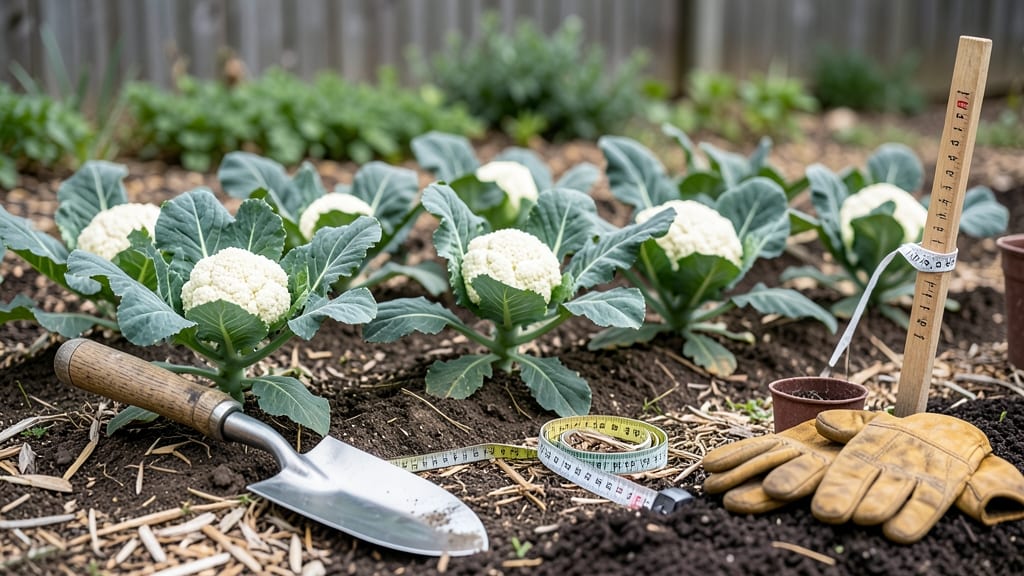
Properly spacing cauliflower plants 🥬 is the difference between dinner-table stars and scraggly, undersized heads.
Picture this: you’ve spent weeks nurturing your seedlings, only to harvest tiny, misshapen curds because they were crowded out. Or worse, your 18-inch plants are sprawling into neighboring rows, competing for sunlight and nutrients.
The right spacing isn’t just about fitting more plants in—it’s about giving each one room to grow into the big, firm heads you’re dreaming of.
In USDA Zone 6a, where spring planting kicks off in March, spacing matters even more. Too close, and airflow suffers, inviting diseases like black rot. Too far, and you’re left with gaps in your harvest window.
The sweet spot? 18–24 inches apart in rows spaced 30 inches apart, but there’s more to it than just numbers—soil fertility, variety type, and even container size play a role.
Below, I’ll break down the exact spacing for your garden setup, whether you’re working with raised beds, containers, or traditional rows. You’ll also learn how to tweak spacing for dwarf varieties or when you’re growing cauliflower alongside other veggies. Let’s get those heads plump and perfect!
Optimal cauliflower plant spacing by variety and growth type
Cauliflower plants need the right amount of space to develop those plump, market-ready heads you crave. Spacing too close leads to stunted growth and disease, while spreading them too far wastes precious garden real estate.
The key? Matching your variety type and growth habit to proven spacing guidelines. Whether you're growing heading cauliflower or broccoli-like varieties, these science-backed distances ensure bigger yields and healthier plants.
Not all cauliflower is created equal. Standard varieties like 'Snowball' reach 18-24 inches tall and need more elbow room, while dwarf varieties such as 'Purple of Sicily' stay compact at 12-16 inches.
Even broccoli-like cauliflower (like 'Calabrese') has different spacing needs. Your garden setup—whether in-ground rows, raised beds, or containers—also dictates the ideal plant-to-plant and row-to-row distances.
For in-ground planting, follow these plant-to-plant distances strictly.
Standard varieties like 'Snowball' need 18-24 inches apart to avoid competition, while dwarf types like 'Purple of Sicily' can handle 12-16 inches. Row-to-row spacing should be 30-36 inches for standard types to allow airflow and easy harvesting. Broccoli-like varieties (e.g., 'Calabrese') need slightly more room—16-20 inches apart—because their tall stems require extra support.
Container gardening changes the game. Dwarf varieties thrive in 5-7 gallon pots, while standard types need 12-15 gallon containers to prevent root binding. Asian cauliflower, like 'Tenderhead', can even grow in 3-5 gallon pots if spaced 10-12 inches apart.
Always use well-draining soil and fertile potting mix to compensate for limited root space. Add a slow-release fertilizer at planting to keep nutrients steady.
Proper spacing isn’t just about head size—it’s about disease prevention.
Crowded plants trap moisture, creating perfect conditions for black rot and downy mildew. Airflow is your best defense: aim for at least 12 inches of space between plants to reduce humidity around leaves. Raised beds offer a happy medium—plant 16-18 inches apart in rows 24-30 inches apart to maximize airflow while saving space.
Adjust spacing based on your local climate. In hot, dry regions, give plants extra room (20-24 inches apart) to reduce water competition.
In cool, humid areas, widen rows to 36 inches to prevent fungal diseases. Succession planting also works: stagger varieties every 2-3 weeks in the same spot, but keep the same spacing to avoid soil depletion.
If you’re short on space, try interplanting. Pair cauliflower with shallow-rooted companions like lettuce or radishes, which mature quickly. Plant the companions 4-6 weeks before or after the cauliflower in the same row, leaving 12-16 inches between them. This maximizes your garden’s productivity
How spacing affects cauliflower head size and disease prevention
Proper spacing cauliflower plants isn't just about fitting more plants in your garden—it directly impacts head size and disease resistance. When cauliflower plants are crowded, they compete aggressively for nutrients and sunlight, leading to smaller, underdeveloped heads.
Conversely, spacing them too far apart wastes precious garden real estate and reduces overall yield. The key is finding that sweet spot where each plant has enough room to thrive without sacrificing density.
One of the biggest benefits of correct spacing is improved airflow. Cauliflowers are particularly susceptible to fungal diseases like black rot and downy mildew, which thrive in damp, stagnant conditions.
When plants are spaced properly, air circulates freely, helping foliage dry quickly after watering and reducing the risk of infection. This simple adjustment can mean the difference between a healthy harvest and a garden lost to disease.
- 1. Head Development: Plants spaced 18-24 inches apart produce larger, denser heads because they have enough energy to focus on head formation rather than competing for resources. Crowded plants often develop small, loose curds or split heads due to stress.
- 2. Sunlight Penetration: Proper spacing ensures lower leaves receive adequate sunlight, which is critical for photosynthesis. Shaded inner leaves can't support the plant's energy needs, leading to weaker stems and poor head formation.
- 3. Disease Prevention: Black rot and clubroot spread faster in crowded gardens. Spacing plants 24-36 inches apart in rows 30-36 inches apart reduces humidity around leaves, making it harder for pathogens to take hold.
- 4. Pest Control: Adequate spacing deters cabbage worms and aphids by reducing hiding spots. Open-grown plants are easier to monitor and treat, preventing infestations before they spread.
- 5. Soil Health: Well-spaced plants allow mulch to be applied effectively, retaining moisture and suppressing weeds. Compacted soil from overcrowding can lead to root rot and stunted growth.
For container gardening, the principles are the same, but the numbers change. Use 5-gallon pots for each plant, spacing them 12-18 inches apart to allow airflow while maximizing space.
In raised beds, maintain 18-24 inches between plants and 24 inches between rows to prevent edge effects where plants grow larger on the bed's perimeter.
If you notice yellowing leaves or stunted growth mid-season, it’s often a sign your plants need more space. Thin out seedlings early to avoid shocking mature plants later. Remember, prevention is easier than cure—proper spacing now saves you from disease treatment and lost harvests later.
Experiment with spacing in small sections of your garden to see what works best for your climate and variety. For example, Romanesco cauliflower benefits from slightly tighter spacing (18 inches) because its unique shape doesn’t require as much lateral room.
Meanwhile, standard heading varieties like Snowball thrive with 24-inch spacing for optimal head size.
By mastering spacing cauliflower plants, you’ll not only grow bigger, healthier heads but also create a garden that’s easier to manage and more resistant to pests and diseases. It’s one of the simplest yet most impactful gardening techniques you can use! 🥬