
Vegetables
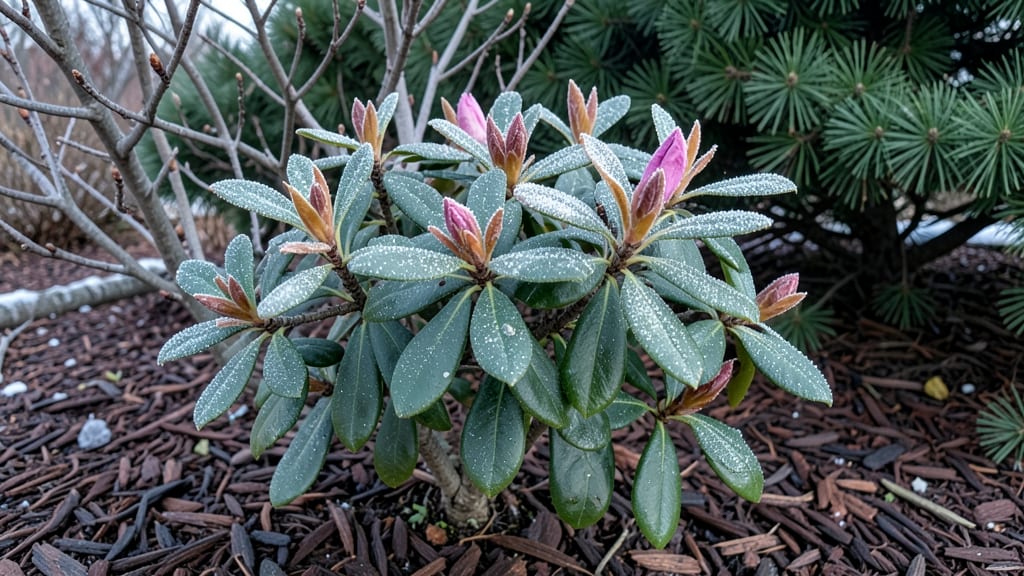
Your Stewartstonian azalea thrives in winter when you adjust care to its cold-hardy nature—no more wilting blooms when frost hits. 🌿 I’ve watched mine push through snow in Zone 5, and the secret lies in three key moves: strategic mulching, smart watering, and timing pruning right before dormancy.
The biggest mistake? Treating winter azaleas like spring ones. They need dryer soil (overwatering causes root rot) and extra mulch (3-4 inches of shredded bark) to insulate roots. My plants stay vibrant through January because I stop fertilizing after August—no late-season feeding means stronger dormancy.
By late winter, you’ll see those signature pink blooms emerging earlier than neighbors’ azaleas. The trick is a light pruning in March (after flowers fade) to encourage next year’s buds. Just avoid heavy cuts—Stewartstonian azaleas bloom on old wood.
Works for zones 4-8, but adjust mulch depth for colder climates. Here’s how to keep yours stunning through freeze and thaw.
📚 In This Guide
- What you need
- Instructions
- Tips and common mistakes
- Wrapping up and next steps
What you need
- ● Cold-hardy mulch (2–3 inches thick): Choose pine straw, shredded bark, or wood chips (avoid fresh wood chips, which can mat).
- ● Burlap or frost cloth (1–2 sheets): Opt for breathable, lightweight fabric (50%–70% shade coverage).
- ● Garden twine or stakes: For securing frost cloth (1–2 stakes per plant).
- ● Pruning shears: Sterilized, sharp shears (for light trimming of dead/damaged branches).
- ● Gloves & long sleeves: Protect your hands from thorns and cold.
- ● Watering can or hose with a gentle nozzle: For deep but infrequent watering (avoid soggy soil).
- ● Anti-desiccant spray (e.g., Wilt-Pruf): Reduces moisture loss in extreme cold.
- ● Soil moisture meter: Ensures roots stay hydrated without overwatering.
- ● Plant-specific fertilizer (low-nitrogen, like 10-10-10): Apply in early spring to boost recovery.
- ● Heat lamp or small greenhouse: For potted Stewartstonian azaleas in sub-zero zones.
Step-by-Step guide to winterizing your Stewartstonian azalea
Here’s how to protect these cold-hardy beauties and ensure vibrant spring blooms.
🌿 Step 1: Assess Your Azalea’s Winter Readiness
Stewartstonian azaleas thrive in USDA Zones 4-7, but their resilience depends on proper prep. First, check the plant’s location—it should receive morning sun and afternoon shade to prevent winter scorch. If your azalea sits in full sun, consider moving it slightly or adding shade cloth during the coldest months.
Look for signs of stress: yellowing leaves or sparse foliage may mean the plant needs extra care. Prune back any dead or damaged branches now—this prevents pests from hiding over winter. I always use clean, sharp pruners to avoid tearing the bark, which can invite disease.
❄️ Step 2: Mulch for Insulation and Moisture Retention
Apply a 3-4 inch layer of organic mulch around the base of the azalea, keeping it 6 inches away from the trunk to prevent rot. I prefer shredded bark or pine straw because they break down slowly and improve soil structure over time. This mulch acts like a blanket, protecting roots from freezing temperatures.
Water the plant deeply before mulching to ensure the soil retains moisture. Azaleas need consistent moisture in winter, especially in dry climates. If your area gets heavy snow, gently brush it off the branches—too much weight can break delicate stems.
☀️ Step 3: Shield from Harsh Winter Elements
In areas with extreme cold (below 0°F) or wind, provide temporary protection. Wrap the plant loosely with burlap or frost cloth, securing it with twine. Avoid plastic—it traps moisture and can cause rot. Leave the top open so rain and snow can drain away.
If your azalea is in a container, move it to a sheltered spot like a garage or under an eave. Containers freeze faster than in-ground plants, so add extra mulch around the pot and wrap it in bubble wrap for insulation. Check periodically to ensure no ice builds up around the base.
💧 Step 4: Monitor and Adjust Through the Season
Check your azalea every 2-3 weeks during winter for signs of distress. Look for brown, crispy leaves—this could mean frost damage, but don’t panic. Azaleas often shed leaves in winter and regrow them in spring. If the bark splits or the plant looks wilted, it may need more protection.
Adjust mulch as needed—if it decomposes too quickly, add a fresh layer. Avoid fertilizing now; azaleas rest in winter, and extra nutrients can encourage tender new growth that won’t survive cold snaps. Instead, focus on keeping the roots insulated and moist.
⏰ Step 5: Prepare for Spring Transition
As temperatures rise above 40°F at night, start planning your azalea’s wake-up routine. Remove any winter wraps or burlap in early spring to allow sunlight to stimulate new growth. Prune lightly to shape the plant and remove any dead wood—this encourages fuller blooms next season.
In late winter or early spring, apply a balanced, acid-loving fertilizer (like 10-10-10) to replenish nutrients. Water deeply to help the roots rehydrate after winter dormancy. Stewartstonian azaleas reward patience—with proper winter care, they’ll burst into color come spring.
Tips & tricks for perfect Stewartstonian azalea winter care
These practical insights will help you navigate the nuances of winterizing your Stewartstonian azalea with confidence.
Lighting Strategy: In Step 1, when assessing your azalea's winter readiness, pay special attention to the morning sun exposure. The delicate leaves can develop winter scorch even in mild cold when exposed to intense afternoon sunlight. If your azalea gets full sun exposure, consider installing temporary shade cloth (50% shade) during the coldest months. This simple adjustment prevents sunburn while still allowing beneficial light penetration.
Pruning Precision: When pruning in Step 1, focus on removing only dead, damaged, or crossing branches. Avoid heavy pruning now—the plant needs all its energy reserves for winter survival. I've seen gardeners accidentally prune too aggressively, which weakens the plant just when it needs strength. Make clean cuts just above a leaf node or bud to encourage healthy regrowth in spring. Use sterilized pruners to prevent disease transmission.
Mulch Mastery: For the 3-4 inch mulch layer in Step 2, consider using a combination of organic materials. I've found that mixing shredded bark with a thin layer of pine needles creates an excellent insulating barrier. The bark provides structure while the pine needles add acidity, which azaleas love. Apply the mulch after a deep watering to lock in moisture—this is especially crucial in dry winter climates where soil can freeze solid.
Protection Planning: In Step 3, if you're using frost cloth for extreme cold protection, leave about 6 inches of space around the plant to allow for air circulation. I learned this the hard way when my azalea developed mold from trapped moisture. Also, secure the frost cloth loosely—too tight can damage new growth when spring arrives. For container azaleas, consider adding a layer of bubble wrap around the pot before moving it to shelter—this extra insulation can make all the difference in sub-zero temperatures.
Pro Tips for Stewartstonian Azalea In Winter
- These practical insights will help you navigate the nuances of winterizing your Stewartstonian azalea with confidence.
- Lighting Strategy: In Step 1, when assessing your azalea's winter readiness, pay special attention to the morning sun exposure.
- Pruning Precision: When pruning in Step 1, focus on removing only dead, damaged, or crossing branches.
Frequently asked questions
Got questions about keeping your Stewartstonian azalea thriving through winter’s chill? You’re not alone! Here are answers to the most common concerns—so you can enjoy frost-defying blooms year after year.
1. How cold can Stewartstonian azaleas tolerate?
These hardy beauties typically survive down to 10°F (-12°C) with proper care. Young plants or those in exposed areas may need extra protection (like mulch or burlap wraps) during extreme cold snaps. Native to colder climates, they’re tougher than most azaleas—but always check your local microclimate!
2. Should I prune Stewartstonian azaleas in winter?
Pruning is best done right after blooming (late spring/early summer), but light cleanup of dead branches can happen in early winter (before heavy frost). Avoid heavy pruning now—it stresses the plant and reduces next year’s flowers. Wait until spring to shape!
3. Why are my azalea leaves turning brown in winter?
Brown leaves are often normal—dormancy causes leaf drop! But if it’s widespread or accompanied by wilting, check for:
- Frost damage: Crispy edges mean cold stress (trim affected areas in spring).
- Dehydration: Mulch 3–4 inches deep to retain moisture.
- Pests/disease: Rare in winter, but inspect for scale or fungal spots.
4. Can I grow Stewartstonian azaleas in containers for winter?
Yes! Potted azaleas need extra winter prep:
- Move containers to a protected spot (e.g., against a north-facing wall).
- Wrap the pot in bubble wrap or insulation.
- Water sparingly (only when soil is dry)—overwatering leads to root rot.
5. What’s a good winter alternative if Stewartstonian azaleas don’t thrive here?
If your zone’s too harsh (below 10°F), try these cold-hardy azalea cousins:
- ‘Girard’s Vanilla’ (Zone 4): Fragrant blooms, thrives in -30°F.
- ‘Bow Bells’ (Zone 3): Compact, pink flowers, ultra-tough.
- Mountain laurel (Zone 5): Similar foliage, even hardier.
Wrapping up and next steps
Discovering the Stewartstonian azalea’s winter resilience is like unlocking a secret—your garden can stay vibrant even when frost bites! These hardy blooms prove that beauty thrives beyond summer, offering year-round charm with minimal fuss.
Whether you’re a seasoned gardener or just starting, this azalea’s cold-defying nature makes it a standout choice for winter interest.
Ready to bring this winter wonder to your landscape? Start by sourcing plants from trusted nurseries, then plan your next steps—like mulching or pruning—to keep them flourishing. Your winter garden awaits! 🌸❄️