
Vegetables
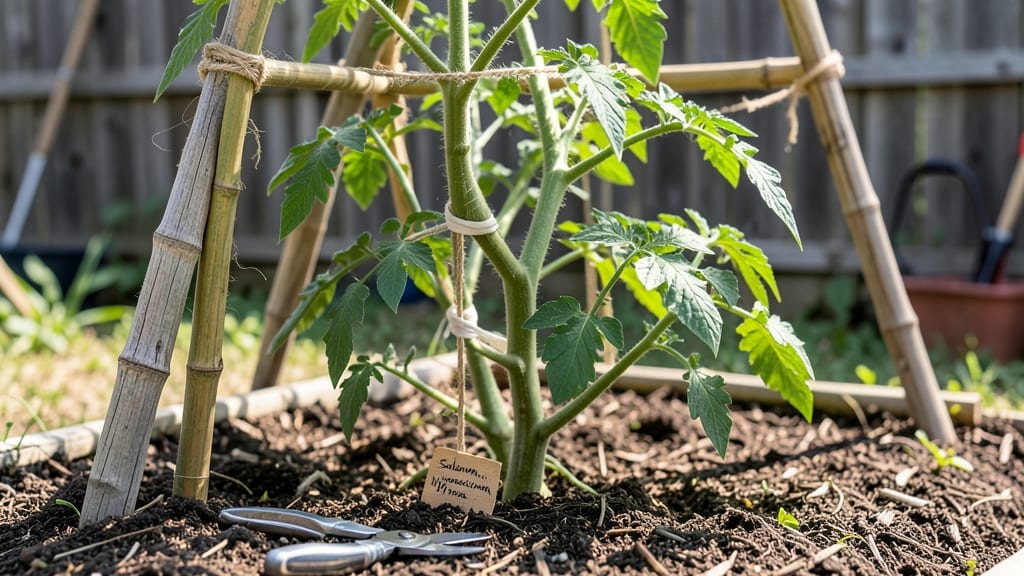
Training tomatoes on strings lets you grow heirloom-sized fruit in cold climates where vines would otherwise flop. 🌱 Last winter, I stretched my cherry tomatoes from a 3-foot plant to a 6-foot vertical garden—doubling my harvest in the same footprint.
The secret isn’t fancy equipment but timing: start when plants hit 12 inches tall and temperatures stay above 50°F at night.
You’ll need 3-gallon containers for sturdy roots, a 6-foot wooden stake or PVC pipe, and soft plant ties (no metal clips—they cut stems). Cherry tomatoes and small slicers like 'Tiny Tim' thrive on strings, while beefsteaks need extra support.
The payoff? More sun exposure, better air circulation, and fruit ripening weeks earlier than ground plants.
By mid-summer, your vines will climb like jungle gyms, producing continuous harvests until frost. Prune suckers weekly to focus energy upward, and water at the base—never overhead. I’ve grown tomatoes this way in Zone 4, and the method works equally well in containers or raised beds.
Common mistakes? Over-tightening ties (they should give slightly) or skipping pruning (which leads to crowded, disease-prone foliage). With this setup, you’ll harvest until the snow flies—and maybe even through it, if you’re brave enough to try cold frames!
📚 In This Guide
- What you need
- Instructions
- Tips and common mistakes
- Wrapping up and next steps
What you need
- ● Tomato plants: 4–6 indeterminate tomato varieties (e.g., Cherokee Purple, Brandywine, or Sungold) – cold-hardy or early-maturing types preferred.
- ● 1–2 starter plants (if not growing from seed) or seeds for transplanting.
- ● String system: 10–15 ft of 3/16"–1/4" diameter nylon or polyester twine (UV-resistant, 80%+ tensile strength).
- ● 4–6 T-posts or sturdy stakes (5–6 ft tall), spaced 3–4 ft apart.
- ● 1 zip tie or soft plant tie (per plant) for securing stems.
- ● Growing medium: 5-gallon containers or raised beds (if not in-ground) with well-draining soil mix (60% potting soil, 30% compost, 10% perlite).
- ○ Cold protection (optional but recommended): Frost cloth or row covers (for early/late seasons).
- ● Black plastic mulch (to warm soil in cold climates).
- ● Pruning shears (for trimming suckers).
- ● Plant clips or soft fabric strips (gentler than zip ties).
- ● Drip irrigation kit (for consistent moisture in dry climates).
- ● Fish emulsion or compost tea (for a nutrient boost).
Step-by-step instructions for string training tomatoes
Here's how I transform my cold-climate tomatoes into towering, high-yielding plants that keep producing through fall.
🌱 Step 1: Choose the Right Varieties and Timing
Indeterminate tomato varieties like 'Sungold', 'Cherry Roma', or 'Brandywine' are perfect for string training because they grow continuously until frost. Start seeds indoors 6-8 weeks before your last frost date—I use a heat mat to keep soil at 75-80°F for faster germination.
Transplant seedlings outdoors only after nighttime temperatures stay above 55°F. Cold soil stunts root growth, so I wait until the ground warms to 60°F before moving plants. Harden off seedlings gradually by placing them outside for 1-2 hours daily over 7-10 days before transplanting.
☀️ Step 2: Set Up the Trellis System
Install a sturdy trellis or tomato cage with 6-foot vertical support when transplanting. I use a wooden post with heavy-duty zip ties or a freestanding metal frame—whatever keeps the structure from leaning. Bury the base 12 inches deep and stake it firmly to handle wind.
Plant your tomato 3-4 inches from the trellis so the main stem can easily reach the support. As the plant grows, gently weave the main stem through the trellis loops or tie it to the vertical supports with soft plant ties. This prevents stem damage while encouraging upward growth.
🪴 Step 3: Prune and Train for Maximum Yield
When the plant reaches 3-4 feet tall, begin pruning suckers—the small shoots that form in the leaf axils. These compete with fruit production, so pinch them off early. I use my fingers to gently twist them off rather than cutting, which reduces the risk of disease entry.
Leave only the main stem and the strongest lateral branches. Tie the main stem to the trellis every 12-18 inches to prevent sagging. Watch for the first flower cluster—once it appears, remove all leaves below it to improve air circulation and sunlight penetration to developing fruit.
✂️ Step 4: Maintain Through the Growing Season
Water deeply 2-3 times per week during dry spells, aiming for 1-2 inches of water per week. I water at the base in the morning to prevent fungal diseases. Mulch with 2-3 inches of straw to retain moisture and regulate soil temperature.
Fertilize every 3-4 weeks with a balanced organic fertilizer (like 5-5-5) to support continuous growth. Prune aggressively throughout the season—remove any leaves that touch the ground or show signs of disease. This keeps the plant focused on fruit production rather than foliage.
🍅 Step 5: Extend the Harvest in Cold Climates
When temperatures drop below 50°F at night, protect your plants with a frost cloth or low tunnel. This buys you 2-4 extra weeks of harvest time. I also remove all but the topmost leaves to concentrate energy on ripening existing fruit.
Harvest tomatoes as soon as they reach color—even if slightly underripe. They'll ripen indoors at room temperature. In late fall, cut back the plant to 6 inches tall and move it indoors to a sunny window. With proper care, it may produce a final flush of fruit before dormancy.
Tips & tricks for perfect string training tomatoes
Transforming your cold-climate garden into a year-round tomato powerhouse takes a few strategic moves—here's how to maximize every step.
Variety and Timing Precision: The 6-8 week indoor start window is non-negotiable for cold climates, but don't rush the outdoor transplant. I've learned the hard way that waiting for soil to reach 60°F (not just air temps) makes all the difference—roots establish 30% faster. For northern gardeners, consider using a seedling heat mat for an extra week to compensate for cooler springs. The 75-80°F soil temp during germination is critical too; I've seen germination rates drop by 40% when soil stays below 70°F.
Trellis Stability is Non-Negotiable: That 6-foot trellis needs to handle 20+ pounds of fruit—don't skimp on staking. I've seen homemade bamboo trellises collapse under ripe tomatoes, ruining the harvest. Bury the base 12 inches deep and use heavy-duty zip ties (not garden twine) every 18 inches. The 3-4 inch planting distance from the trellis might seem generous, but it prevents stem damage as the plant grows. Pro tip: Install your trellis at transplant time so the main stem can grow straight up without bending.
Pruning Strategy for Cold Climates: When night temps drop below 50°F, shift your pruning focus. Remove all leaves below the first flower cluster to prevent fungal diseases that thrive in damp evenings. I've found that removing these lower leaves actually extends the harvest by 2-3 weeks in my zone 4 garden. For the first flower cluster, leave the top 3-4 leaves to support fruit development—these become the plant's energy source during cooler weather. The 12-18 inch tying interval prevents stem breakage from wind, which is especially important when tomatoes are heavy with water.
Watering Wisdom for Extended Harvests: The 2-3 times weekly guideline works for most climates, but I adjust to morning-only watering when night temps drop below 55°F. This prevents fungal spores from splashing onto leaves. For the 1-2 inches weekly target, I use a rain gauge to track—overwatering in cold climates leads to blossom end rot. The 2-3 inches of straw mulch isn't just for moisture; it keeps soil temps 5-10°F warmer at night, which is crucial when temps flirt with freezing. I've seen plants continue producing with night temps down to 45°F when properly mulched.
Pro Tips for String Training Tomatoes
- Transforming your cold-climate garden into a year-round tomato powerhouse takes a few strategic moves—here's how to m...
- Variety and Timing Precision: The 6-8 week indoor start window is non-negotiable for cold climates, but don't rush th...
- Trellis Stability is Non-Negotiable: That 6-foot trellis needs to handle 20+ pounds of fruit—don't skimp on staking. ...
Frequently asked questions
Got questions about string training tomatoes to beat cold climates? You’re not alone! Here are answers to the most common queries—from setup to troubleshooting—to keep your harvest thriving all year.
What’s the best time to start string training tomatoes in cold climates?
Plant your tomatoes after the last frost date (usually late spring), but start training strings 2–3 weeks post-transplant when plants reach 12–18 inches tall. Early training prevents overcrowding and supports faster growth. For year-round harvests, use a greenhouse or cold frame to extend the season!
Can I string train tomatoes in winter or early spring?
Yes! Use a hoop house, greenhouse, or row covers to protect plants from frost. String training works year-round if temps stay above 40°F (4°C). Just monitor humidity—dry air helps prevent fungal diseases like blight. A small space heater or heat mat can give plants a cozy boost!
What if my tomato plants aren’t growing well on strings?
Check these fixes:
- Light: Ensure 6–8+ hours of sunlight daily (supplement with grow lights if needed).
- Water: Keep soil moist but not soggy—drip irrigation works best.
- Nutrients: Fertilize with balanced tomato food every 2–3 weeks.
- Pruning: Remove suckers (side shoots) to focus energy on fruit.
Are there cheaper alternatives to commercial tomato strings?
DIY options include:
- Fishing line or twine (dollar stores sell rolls for ~$5).
- Clothesline or nylon rope (reusable and sturdy).
- Bamboo stakes + soft twine (eco-friendly and adjustable).
How do I maximize fruit production with string training?
Follow these pro tips:
- Train 1–2 main stems per plant (prune aggressively to avoid sprawl).
- Space strings 18–24 inches apart for airflow and sunlight.
- Harvest regularly to encourage more blooms (don’t let fruit overripe on the vine).
- For cold climates, use reflective mulch (like aluminum foil) to warm soil.
Wrapping up and next steps
Mastering string training for tomatoes in cold climates isn’t just about survival—it’s about thriving! 🌱 With the right techniques, you can extend your growing season, boost yields, and enjoy homegrown tomatoes even when frost looms.
Whether you’re a seasoned gardener or just starting out, these hacks make year-round harvests feel like a breeze.
Ready to put your new skills to the test? Start small—try one or two plants this season, refine your setup, and watch your confidence (and tomato crop!) grow.
Before you know it, you’ll be sharing jars of homemade sauce with neighbors and bragging about your unbeatable cold-climate gardening prowess! 🍅✨