
Vegetables
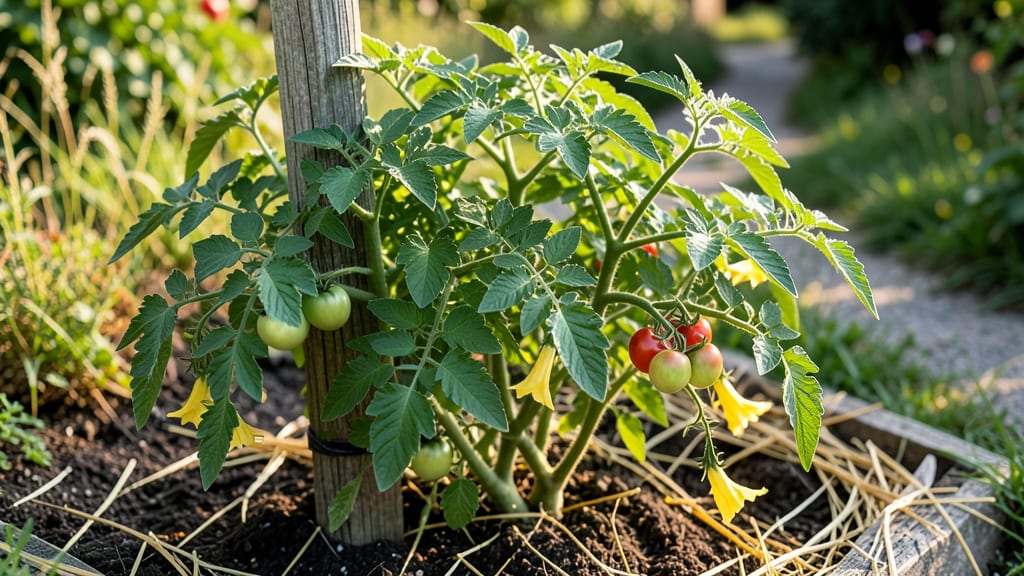
Sun Drop tomatoes are the cold-weather game-changer I’ve been waiting for—cherry-sized, disease-resistant, and thriving when other varieties give up. 🌱 These determinate plants produce sweet, 1-inch fruits all season long, and they handle transplant shock like a champ, even when nights dip below 50°F. My first batch last spring yielded pounds of tomatoes despite late frosts, and the plants stayed compact enough for small spaces.
The secret lies in their determinate growth habit—they top out around 3 feet, so no staking required (though cages help keep fruit off the ground).
They love full sun (6+ hours daily) and well-draining soil with a pH between 6.0 and 6.8, but they’re forgiving if you amend clay or sandy soil. Start seeds indoors 6-8 weeks before your last frost, or buy sturdy transplants from a trusted nursery.
Once planted, keep the soil consistently moist (not soggy) and fertilize lightly every 2-3 weeks with a balanced 10-10-10 or tomato-specific feed. Prune suckers sparingly—just enough to improve airflow—and watch for early blight or hornworms, their only real weaknesses.
With these simple steps, you’ll harvest continuous crops from midsummer until frost. Perfect for containers, raised beds, or cold frames, Sun Drops prove you don’t need a greenhouse to grow tomatoes. Even my black thumb can’t kill these! Here’s how to make them thrive in your climate.
📚 In This Guide
- What you need
- Instructions
- Tips and common mistakes
- Wrapping up and next steps
What you need
- ● Sun Drop Tomato Seeds or Seedlings: Start with 10-12 seeds (or 3-4 seedlings if buying transplants). Look for the ‘Sun Drop’ variety—it’s a compact, cold-tolerant cherry tomato perfect for containers or small gardens!
- ● Containers or Garden Beds: Containers: 5-gallon buckets or fabric grow bags (minimum 12-18 inches deep) for 1 plant per container.
- ● Garden Beds: Ensure 6-8 hours of full sun and well-draining soil. Space plants 18-24 inches apart.
- ● High-Quality Potting Mix: 1 bag (1.5-2 cubic feet) of sterile, well-draining mix (avoid garden soil—it compacts and retains too much moisture).
- ● Fertilizer: Balanced Fertilizer (10-10-10 or 5-5-5): 1 tbsp per plant at transplanting.
- ○ Tomato-Specific Fertilizer (optional): Look for one with higher phosphorus (e.g., 3-4-6) for fruiting.
- ● Slow-Release Fertilizer Pellets: 1 handful per container (e.g., Osmocote) for steady nutrition.
- ● Basic Gardening Tools: Trowel or small hand shovel
- ● Pruners (for trimming suckers)
- ○ Gloves (optional but recommended!)
- ○ Support Structures (Optional but Helpful): Cage or Stake: 1 per plant (e.g., 5-foot tomato cages or bamboo stakes).
- ● Twine or Soft Tie: For securing vining varieties.
- ● Mulch: 2-3 inches of straw or shredded leaves to retain moisture and suppress weeds.
- ● Drip Irrigation or Watering Can: 1 gallon capacity for consistent moisture (avoid overhead watering to prevent disease).
- ● Plant Markers: To label your Sun Drop tomatoes (trust us, you’ll thank us later!).
- ● Last Frost Date: Wait until after the last frost in your area (Sun Drops tolerate light frosts but not freezing temps).
- ● Warm Soil: Soil should be at least 55°F (13°C) for planting (use a soil thermometer if unsure).
- ● Sunlight Access: Confirm your spot gets full sun (6+ hours/day)—these tomatoes thrive in warmth!
Step-by-step instructions for growing Sun Drop tomatoes in cold climates
Here’s how to coax these cold-hardy tomatoes into thriving plants with minimal fuss.
🌱 Step 1: Start Seeds Indoors for Early Vigorous Growth
Sun Drop tomatoes thrive when given a head start. Plant seeds 6-8 weeks before your last frost date in 2-3 inch deep biodegradable pots filled with sterile seed-starting mix. I like to use peat pots because they eliminate transplant shock later—just pop them into the ground when it’s time to move. Moisten the mix until it holds together like a damp sponge, then press it down lightly to remove air pockets.
Sow 2-3 seeds per pot at a depth of ¼ inch—any deeper and they’ll struggle to break through. Cover lightly with extra mix, then mist gently with water until the surface is evenly damp. Place the pots in a warm spot (70-75°F)—a seedling heat mat speeds germination to 5-10 days. Avoid overwatering now; the mix should stay moist but never soggy.
☀️ Step 2: Provide Optimal Light and Prevent Leggy Seedlings
The moment those first true leaves appear, move your seedlings under 14-16 hours of bright light daily. A south-facing window won’t cut it—you’ll see weak, leggy stems reaching toward the light. I use a full-spectrum LED grow light positioned 2-4 inches above the plants, raising it as they grow. Strong seedlings have thick stems and deep green leaves spaced 1-2 inches apart. If stems stretch beyond 3 inches tall before the first true leaves, your light isn’t intense enough.
Rotate pots a quarter turn daily so plants grow straight instead of leaning. Water from the bottom by placing pots in a tray of ½ inch of water for 10-15 minutes—this prevents fungal issues and encourages deep root growth. Stop bottom-watering once seedlings have 2-3 sets of true leaves to avoid over-saturation.
⏰ Step 3: Harden Off and Transplant for Cold-Climate Success
Two weeks before your last frost date, begin hardening off your seedlings. Place them outside in a sheltered, shaded spot for 1-2 hours the first day, gradually increasing time by 1 hour daily until they can handle a full day outdoors. Sun Drop tomatoes tolerate cooler temps better than most varieties, but they still need acclimation. You’ll know they’re ready when they don’t wilt after a full day outside.
Transplant on an overcast afternoon to reduce stress. Bury the entire peat pot 1 inch deeper than it was indoors—this encourages stronger root systems. Space plants 18-24 inches apart in rows 24-36 inches apart to allow airflow and prevent disease. Water deeply at the base, keeping soil 1-2 inches moist but never waterlogged. Mulch with 2-3 inches of straw to retain moisture and regulate soil temperature.
🌿 Step 4: Support and Maintain for Maximum Cold-Climate Productivity
Sun Drop tomatoes grow 4-6 feet tall, so install sturdy cages or stakes at planting time. I prefer 5-foot tomato cages because they’re easier to work with than individual stakes. As vines grow, gently weave them into the cage—don’t force them or you’ll snap tender stems. Prune suckers (the small shoots that form in the leaf axils) to direct energy into fruit production. Remove any leaves touching the soil to prevent disease.
Fertilize lightly 2-3 weeks after transplanting with a balanced organic fertilizer (10-10-10). Over-fertilizing leads to lush foliage but fewer tomatoes. Water at the base in the morning to allow foliage to dry before evening, reducing fungal risks. In cold climates, expect 70-80 days to harvest—earlier than heat-loving varieties. You’ll know tomatoes are ripe when they turn deep red and yield slightly to gentle pressure.
Tips & tricks for growing Sun Drop tomatoes in cold climates
Cold-hardy tomatoes like Sun Drop need special attention to thrive in chilly regions—and these tricks will help you avoid common pitfalls while maximizing your harvest.
Timing Secret: The 6-8 week indoor start window is non-negotiable for cold climates. If you're in a region with late springs, consider starting seeds in early February to ensure you're ready by your last frost date. I've found that using a seedling heat mat (which maintains that ideal 70-75°F range) cuts germination time to just 5-10 days, giving you a head start on the growing season.
Lighting Strategy: That 14-16 hours of daily light requirement is critical for preventing leggy seedlings. If you don't have grow lights, place your seedlings on a windowsill that gets direct southern exposure and supplement with a CFL bulb (15-20 watts) for 4-6 hours in the evening. The key visual cue is stems that stay under 3 inches tall before the first true leaves appear—any taller and you're losing precious energy to stretching rather than root development.
Transplanting Technique: Burying those peat pots 1 inch deeper than their original depth sounds counterintuitive, but it actually encourages the plant to develop a stronger root system from the buried stem. For extra insurance in cold climates, I like to add a handful of compost to the planting hole before inserting the pot—this gives the roots immediate access to nutrients as they establish. The mulch layer of 2-3 inches of straw isn't just for moisture retention; it also helps regulate soil temperature by keeping roots warmer during cool nights.
Cold-Climate Maintenance: Sun Drop tomatoes may tolerate cooler temperatures better than other varieties, but they still need protection during unexpected late frosts. I've had success using old bedsheets draped over cages when nighttime temperatures dip below 50°F. The 70-80 day harvest window is actually an advantage in cold climates—you'll avoid the heat stress that plagues many varieties later in the season, resulting in sweeter, more flavorful tomatoes.
Pro Tips for Sun Drop Tomatoes
- Cold-hardy tomatoes like Sun Drop need special attention to thrive in chilly regions—and these tricks will help you a...
- Timing Secret: The 6-8 week indoor start window is non-negotiable for cold climates. If you're in a region with late ...
- Lighting Strategy: That 14-16 hours of daily light requirement is critical for preventing leggy seedlings. If you don...
Frequently asked questions
Got questions about growing Sun Drop tomatoes? You’re not alone! This cold-hardy variety is a game-changer, but even the best gardeners need a little guidance. Here are answers to the most common questions to help you grow like a pro—no fuss, just flavor!
Can Sun Drop tomatoes survive in cold climates better than other varieties?
Sun Drop tomatoes are bred for cold tolerance, handling temperatures as low as 25°F (-4°C) once established. Unlike heat-loving heirlooms, they thrive in USDA Zones 3-9 and even bounce back after light frosts. Start seeds indoors early or direct-sow after the last frost for best results.
How long does it take for Sun Drop tomatoes to produce fruit?
Patience pays off! From transplanting, expect 60-70 days to harvest. Early starts (indoor seedling) may bear fruit sooner, while late transplants could take longer. Pro tip: Pinch suckers early to redirect energy to fruit production—your plants will thank you with bigger, sweeter tomatoes!
Do Sun Drop tomatoes need staking, or can they grow on the ground?
While they can sprawl on the ground, staking or caging (5-6 ft tall) improves air circulation, reduces disease risk, and makes harvesting easier. Use tomato cages or bamboo stakes—just tie stems gently with soft cloth or old T-shirts to avoid damage. Bonus: Vertical growth saves space!
Why are my Sun Drop tomatoes cracking, even though they’re cold-hardy?
Cracking usually stems from inconsistent watering—too much after a dry spell causes rapid growth. Keep soil evenly moist (1-1.5 inches deep) and mulch heavily to stabilize moisture. Quick fix: Harvest cracked tomatoes ASAP—they’re still delicious! Just slice and use in sauces or salsas.
Are there any alternatives if Sun Drop tomatoes don’t thrive in my garden?
If your climate or conditions aren’t ideal, try these cold-tolerant tomato picks:
- ‘Stupice’: Disease-resistant and productive in cool weather.
- ‘Glacier’: A cherry tomato that handles light frosts.
- ‘Mountain Merit’: Reliable in short seasons (55-60 days).
Wrapping up and next steps
Growing sun drop tomatoes is a game-changer for cold-climate gardeners—no fuss, no stress, just delicious results! 🌱 With their cold-hardy roots and heat-loving fruits, these tomatoes prove that success isn’t about perfect conditions but smart techniques.
Whether you’re a seasoned gardener or a beginner, your next step? Plant a few this season and savor the sweet victory of homegrown tomatoes, even in cooler weather.
Ready to dive in? Start small, experiment with your setup, and watch your garden thrive! 🌿