
Blooming
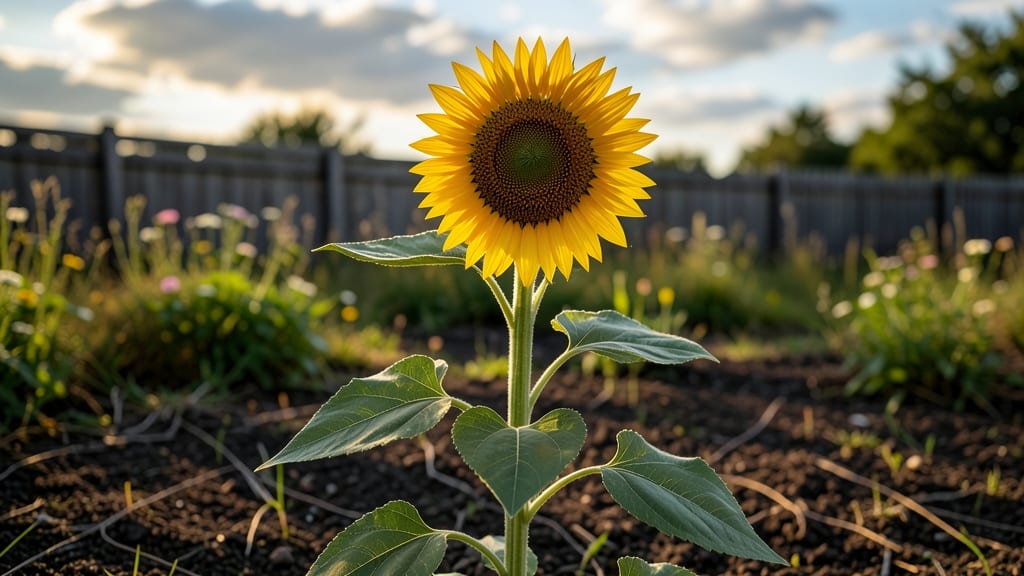
Sunflowers bloom in the flowering time of 50 to 120 days after planting, depending on the variety and growing conditions—so timing your spring planting is the key to those cheerful golden faces by summer.
Picture this: you’ve got your seeds in the ground in April, and by July, you’re staring at a sea of green stems with no blooms in sight. That’s not a failure—it’s just the wrong variety or planting window.
Some sunflowers like Mammoth take their time, while Teddy Bear varieties can surprise you with blooms in as little as 50 days.
Here’s the real secret: planting in the right month for your zone (like April–May in USDA 6a) and choosing a variety that matches your climate can shave weeks off that wait time.
We’ll break down the exact days by type, plus how to push blooms earlier—or keep them coming all season long.
Ready to turn your garden into a sunflower showstopper? You’ll learn how to read the signs, adjust for late starts, and even troubleshoot why your stalks are just growing leaves instead of flowers.
How long until sunflowers bloom: exact days by popular variety
If you're eager to see those cheerful sunflower blooms light up your garden, timing is everything. The flowering time varies dramatically between varieties—some burst into bloom in just 50 days, while others take nearly 120 days to reach their golden peak.
Choosing the right variety for your growing season and climate zone ensures you won’t be left staring at green stalks all summer.
I’ve grown sunflowers for years, and the biggest mistake I see is planting tall varieties too late or dwarf types too early. The days-to-bloom chart below breaks down the exact flowering timelines for 10 popular sunflower varieties, so you can plan your garden like a pro.
Whether you’re after early summer blooms for cutting or late-season height for pollinators, this guide has your variety covered.
Notice how the fastest bloomers like Teddy Bear and Sunspot reach maturity in just 50-60 days, making them perfect for early summer gardens or container growing. These dwarf varieties thrive in small spaces and deliver instant gratification—ideal if you’re impatient like me! For tall varieties like Mammoth or Giant Russian, plan ahead: their 100+ day timeline means you’ll need to plant in <
Best planting months to ensure fast sunflower flowering
Timing your sunflower planting is the secret to unlocking those bright blooms faster. Soil temperatures and frost risk vary dramatically by USDA zone, so I’ll break down the ideal windows for fast flowering in zones 3 through 10.
Planting at the wrong time can stretch your bloom window from 60 days to 120—don’t let that happen!
Sunflowers thrive when soil temperatures reach 50°F (10°C) and stay above 60°F (15°C) consistently. In colder zones (3-5), aim for late spring planting after the last frost, while warmer zones (8-10) can start as early as February for summer blooms. Let’s dive into the specifics.
Pro tip: Use black plastic mulch in cooler zones to warm soil faster. I’ve seen 10-14 day growth boosts in zone 4 gardens by raising soil temps by 5-10°F. For extended blooms, try staggered plantings—sow half your seeds in May and the rest in June for a summer-long display.
Watch for soil temperature gauges (available at garden centers) to confirm readiness. In my zone 5 garden, I wait until my gauge hits 55°F (13°C) for 3 consecutive days before planting—this ensures germination within 7-10 days instead of the 2-3 weeks I’ve seen with cooler soils.
Remember, light hours matter too. Sunflowers need 6-8 hours of direct sun daily to bloom on schedule. If your garden gets partial shade, choose dwarf varieties like 'Sunspot' (3-4 ft tall) for faster, more reliable blooms in 50-60 days.
For late-season planting, opt for quick-blooming varieties like 'ProCut' (50 days to harvest) and plant by July 1 in zones 3-7. Just be prepared for smaller blooms—sunflowers planted after August 15 rarely mature fully before frost.