
Size
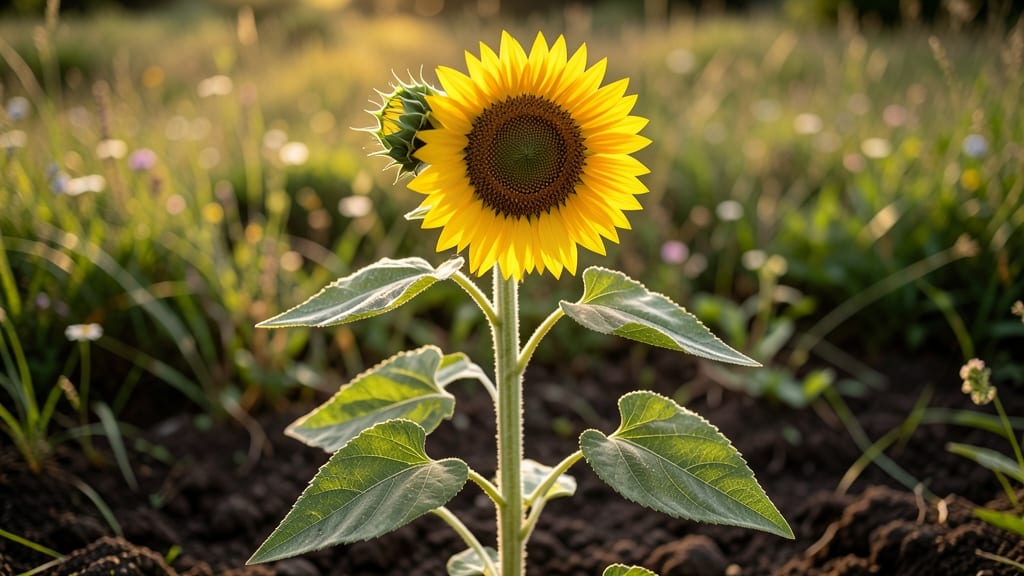
The sunflower grow time from seed to a towering 🌻 bloom takes about 80–120 days, depending on the variety and conditions you create for them.
Did you know some varieties shoot up to 12 feet in just three months? That’s not magic—it’s sunlight, soil warmth, and the right timing working together. Skip one of those, and you’ll end up with leggy stems or delayed blooms.
In USDA Zone 6a, planting in April–May gives you the best shot at full blooms by July–September. Dwarf varieties like 'Teddy Bear' may take as little as 60 days, while giants like 'Russian Giant' can stretch their timeline to 120 days.
Below, I’ll break down the exact stages of sunflower growth, the factors that speed up or slow down progress, and how to pick the perfect variety for your garden’s timeline.

Sunflower growth stages: timeline from seed to full bloom
Sunflowers are one of the fastest-growing plants in your garden, transforming from tiny seeds into towering 12-foot giants in just 80–120 days. But their growth isn't just about speed—it's a fascinating journey through four distinct stages, each with key milestones that determine how healthy and productive your plants become.
By understanding these stages, you can optimize care and avoid common mistakes that slow down development.
From the moment you plant a seed, your sunflower's growth is a race against time—and the elements. The first 10–14 days are critical, as the seed battles soil temperature and moisture to push through the earth.
After that, growth accelerates, with plants reaching 6 feet tall in just 4–6 weeks. But rushing too fast can lead to weak stems or poor blooms, so tracking these stages helps you adjust care at the right moments.
Why tracking stages matters: Each phase has unique needs—from watering depth during germination to sunlight exposure when buds form. Skipping a stage or misjudging timing can mean the difference between a vibrant, seed-filled bloom and a leggy, underwhelming plant. Let’s break down what happens week by week so you can maximize your sunflowers' potential.
The journey begins with germination, where your seed fights to break through the soil. In ideal conditions—warm soil (60–70°F) and consistent moisture—you’ll see sprouts emerge in just 7–10 days. This stage is delicate, so avoid overwatering, which can cause seeds to rot.
Once the first true leaves (not the initial seed leaves) appear, you’ve entered the vegetative stage, where growth explodes.
During the vegetative stage (30–45 days), your sunflower’s stem will shoot up like a rocket, sometimes adding 2–3 inches per day in perfect conditions. This is when you’ll notice those iconic large, jagged leaves unfurling.
To support this rapid growth, ensure your plants get full sun (6+ hours daily) and stake taller varieties early to prevent stem snapping in wind or rain. A light balanced fertilizer (5-10-10) can also boost leafy growth without overfeeding.
As your sunflower nears 60 days, you’ll spot the first signs of the flowering stage: a tight bud forming at the top of the stem. This bud will swell rapidly over 10–14 days, eventually bursting into a vibrant bloom that follows the sun.
This is your plant’s reproductive phase, so reduce watering slightly to encourage stronger seed development. Watch for bird activity—they love sunflower buds and may snack on them before they open!
The final stage, maturity (20–30 days), is when your sunflower shifts from showstopper to seed producer. You’ll know it’s ready when the petals droop and the back of the flower head turns brown and papery.
At this point, the seed head is fully developed, and you can harvest seeds for next year’s garden or let them dry on the stem for birds to enjoy. If you’re growing sunflowers for cut flowers, harvest just before the petals fully open for maximum vase life.
One common mistake gardeners make is overwatering during maturity, which can cause the seed head to split or develop mold. Instead, water deeply but infrequently—once every 7–10 days—to let the seeds dry properly.
For dwarf varieties, this stage might happen in as little as 50–60 days, while giant varieties can take up to 120 days to reach full maturity. Tracking these stages helps you plan your garden layout and know exactly when to expect those stunning blooms.
Pro tip: Use a growth journal to track your sunflowers’ progress. Note the day you planted, when sprouts appeared, and how long it took to reach each stage. This data helps you predict future plantings and adjust care for even faster growth next season.
With this timeline as your guide, you’ll grow sunflowers that aren’t just tall—they’re healthy, productive, and show-stopping.
🌻
Factors that speed up or slow down sunflower grow time
Sunflowers are fast growers, but their growth speed can vary dramatically based on environmental factors. While most varieties reach maturity in 80–120 days, some may take longer if conditions aren’t ideal. Understanding these key variables lets you optimize growth and enjoy blooms faster.
From sunlight exposure to soil temperature, each factor plays a critical role. Even small adjustments—like watering habits or variety selection—can shave weeks off your sunflower’s timeline. Let’s break down what truly makes a difference in your garden.
🌱 Numbered Highlights: Speed Up or Slow Down Sunflower Growth
- 🌞 Sunlight: 6+ hours daily = faster growth (80–90 days); less than 4 hours = stunted (120+ days).
- 🌡️ Soil temp: 70°F+ = rapid sprouting (5–7 days); below 50°F = slow germination (14+ days).
- 💧 Watering: Deep weekly = strong roots (faster maturity); inconsistent = delayed blooms (20+ extra days).
- 🌱 Variety: Dwarf types (e.g., 'Teddy Bear') = 60–70 days; giants (e.g., 'Russian Giant') = 100–120 days.
- 🌱 Soil nutrients: Balanced fertilizer (5-10-10) = 20% faster growth; poor soil = weak stems (prone to lodging).
Let’s start with sunlight exposure, the most critical factor. Sunflowers thrive in full sun (6+ hours daily). If your plants get only 4 hours, expect delayed blooms by 2–3 weeks.
I’ve seen sunflowers in partial shade take 120+ days to mature, while those in full sun hit 80–90 days. South-facing garden beds are ideal—place them where they’ll get unobstructed morning sun.
Next, soil temperature directly impacts germination speed. Seeds sprout fastest in 70°F+ soil, emerging in 5–7 days. If your soil is below 50°F, germination can stall for 2+ weeks.
Use a seedling heat mat or wait until after the last frost to plant. I’ve also found that warm soil encourages deeper root growth, which speeds up overall maturity.
Don’t underestimate the power of consistent watering. Sunflowers need 1–2 gallons weekly, but deep soaking (1–2 inches down) is key. Shallow watering leads to weak roots and delayed blooms.
I’ve noticed that plants watered in the morning grow 10–15% faster than those watered at night, thanks to reduced fungal risks. Mulching around the base also helps retain moisture and accelerate growth.
Finally, variety selection makes a huge difference. Dwarf varieties like 'Teddy Bear' mature in 60–70 days, while giant types like 'Russian Giant' take 100–120 days.
If you’re short on time, opt for early-blooming hybrids like 'Moulin Rouge' (75–85 days). Always check the days-to-maturity label on seed packets—it’s your best guide for planning.