
Light Requirements
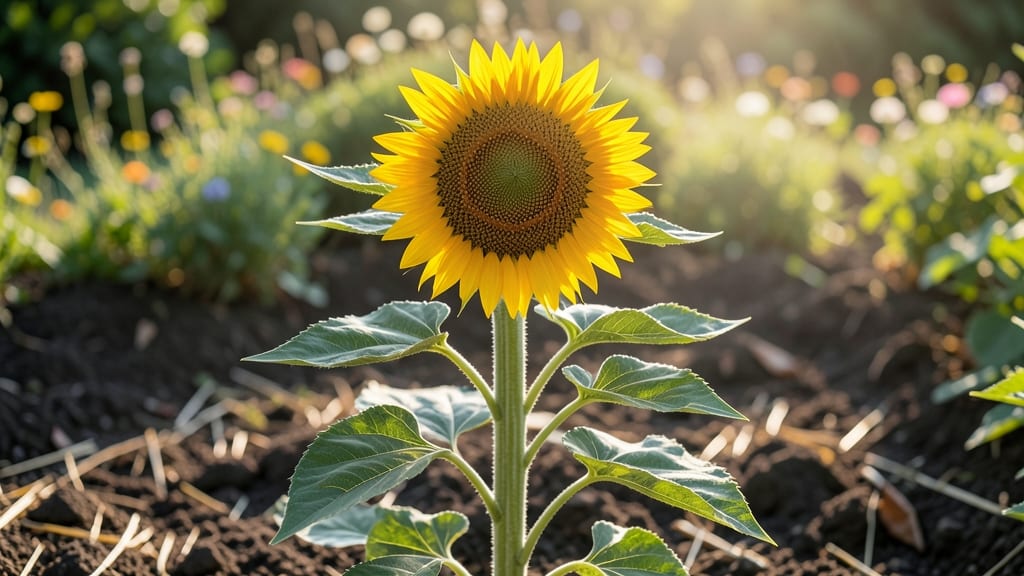
Sunflowers have specific sun requirements—they need at least 6-8 hours of direct sunlight daily to reach their full towering glory 🌻 — without it, you’ll end up with leggy stems and sad, underwhelming blooms.
Picture this: you’ve spent weeks nurturing your seeds, only to watch them stretch toward the sky like they’re begging for more light. That’s not just frustration — it’s a classic sign your sunflowers aren’t getting their sun requirements met.
But here’s the thing: too much sun can scorch those delicate petals, while the right balance turns your garden into a golden masterpiece.
I’ll break down exactly how much light your sunflowers crave, how to spot when they’re struggling, and even how to tweak their spot if your yard isn’t exactly sunny.
By the end, you’ll know the exact sunlight setup your sunflowers need to grow tall, strong, and ready for that perfect harvest — no guesswork involved.

How much sun do sunflowers really need for optimal growth?
Sunflowers thrive under the sun’s warm embrace, but their sun requirements aren’t as simple as "more is better." While they love light, too little can stunt their growth, and too much can stress their delicate petals.
The ideal balance ensures those iconic golden blooms reach their full potential—whether you're growing giant varieties like 'Mammoth' or dwarf types like 'Teddy Bear.'
Most sunflowers demand 6-8 hours of direct sunlight daily, but their tolerance varies by type. Standard varieties need full sun to reach their towering heights, while dwarf sunflowers can adapt slightly to partial shade.
Understanding these nuances helps you position them perfectly in your garden or containers, even in low-light climates.
Sunlight directly impacts sunflower growth in three key ways: stem strength, flower size, and seed production. Without enough light, stems weaken, blooms shrink, and seeds become sparse. Conversely, excessive afternoon sun can scorch leaves, especially in hot climates. The secret? Finding that goldilocks zone of sunlight that fuels growth without causing stress.
In low-light climates, like the Pacific Northwest or urban areas with tall buildings, sunflowers still need adjustments. If your garden only gets 4-6 hours of sun, opt for dwarf varieties or use reflective surfaces like white gravel or mirrors to bounce extra light onto plants.
Even partial shade can work if you rotate containers to follow the sun’s path throughout the day.
Regional differences matter too. In hot, dry climates like Arizona or California, sunflowers benefit from morning sun and afternoon shade to prevent wilting. Meanwhile, in cooler regions like the Midwest, they can handle full sun all day.
Always observe your local microclimate—a north-facing garden may need different positioning than a south-facing one.
For container gardening, place sunflowers on a sunny patio, balcony, or deck where they can soak up 6+ hours of direct light. Rotate pots weekly to ensure even growth, as sunflowers naturally lean toward the light.
If using grow lights, mimic natural sunlight with a 12-14 hour photoperiod to supplement outdoor light.
Watch for sunflower growth stages to gauge sunlight needs. Seedlings need bright, indirect light to avoid damping-off, while mature plants crave full sun. If you notice stunted growth or pale leaves, it’s a sign they’re not getting enough light. Conversely, yellowing leaves or browned petals mean they’re overheating.
Pro tip: Use a sunlight tracker or app to monitor your garden’s light exposure. Many free tools, like Sun Surveyor, help map sunlight patterns so you can place sunflowers in the optimal spot.
Even a simple DIY test—like placing a white board in your garden for an hour—can reveal how much light your space truly gets.
Remember, sunflowers aren’t just about sunlight hours but also light quality. Direct sunlight is ideal, but diffused light (like through sheer curtains) won’t cut it. If you’re growing sunflowers indoors, place them near a south-facing window or under grow lights designed for full-spectrum light.
By mastering these sun requirements, you’ll unlock the secret to growing sunflowers that stand tall, bloom boldly, and fill your garden with joy—no matter where you live. 🌻
Signs your sunflowers aren’t getting enough (or too much) sun
Sunflowers thrive under the sun’s intense gaze, but when their light needs aren’t met, they send clear distress signals. Yellowing leaves, stunted growth, or drooping petals often mean your plants are begging for more (or less) sunlight.
Even variety-specific differences—like giant sunflowers needing extra light—play a role in their health. Ignoring these signs can mean the difference between a towering 12-foot beauty and a sad, scraggly stem.
First, check your sunflower’s leaf color. Pale or yellowing leaves are classic signs of sun deprivation, while brown or crispy edges scream sunburn. Dwarf varieties like ‘Teddy Bear’ may tolerate slightly less sun, but even they’ll struggle with less than 5 hours of light daily.
Meanwhile, standard varieties like ‘Russian Giant’ demand 8+ hours to reach their full potential. Pay attention to these visual cues before your plants wilt away.
⚠️ Sunflower Sun Struggles: What’s Wrong?
Too Little Sun: Leggy stems, small buds, or leaves stretching toward light (etiolation). Dwarf varieties may survive with 4-5 hours, but tall types need 8+ hours.
Too Much Sun: Crispy leaf edges, bleached petals, or premature wilting. Afternoon shade (especially in hot climates) can prevent sunburn.
Action Tip: Move plants to morning sun + afternoon shade if leaves show brown scorching. For sun deprivation, relocate to a sunnier spot or use reflective mulch.
Don’t overlook the stem strength of your sunflowers. Weak, spindly stems are a red flag for insufficient light, as plants stretch desperately toward any available rays. Giant sunflowers with thin stems may even flop over under their own weight if deprived of light.
To fix this, transplant your sunflowers to a sunnier location immediately—before their stems become too weak to support their heavy flower heads.
Premature wilting or drooping petals can happen for multiple reasons, but extreme heat or sun exposure is often the culprit.
If your sunflowers close up early or petals turn brown, they’re likely overheating. Provide afternoon shade with a lightweight shade cloth (30-50% coverage) during peak sun hours (11 AM–3 PM). Dwarf varieties like ‘Moulin Rouge’ are slightly more tolerant, but even they’ll benefit from protection during heatwaves.
For container-grown sunflowers, position matters. A south-facing balcony or patio gets the most sun, but east or west-facing spots can work if they receive 6+ hours of direct light.
If your potted sunflowers are leaning dramatically, rotate the pot quarter-turns weekly to ensure even growth. Reflective surfaces like white walls or mirrors can also bounce extra light onto shade-loving varieties.
Finally, observe your sunflowers’ blooms. Small, underdeveloped flowers or flowers that fail to open fully are a sure sign of light deprivation. Standard varieties like ‘Autumn Beauty’ need full sun to produce their signature multi-colored petals, while dwarf types may bloom slightly better in partial sun.
If your sunflowers aren’t blooming at all, move them to a sunnier spot and fertilize lightly with a balanced 10-10-10 to encourage flowering.