
Vegetables
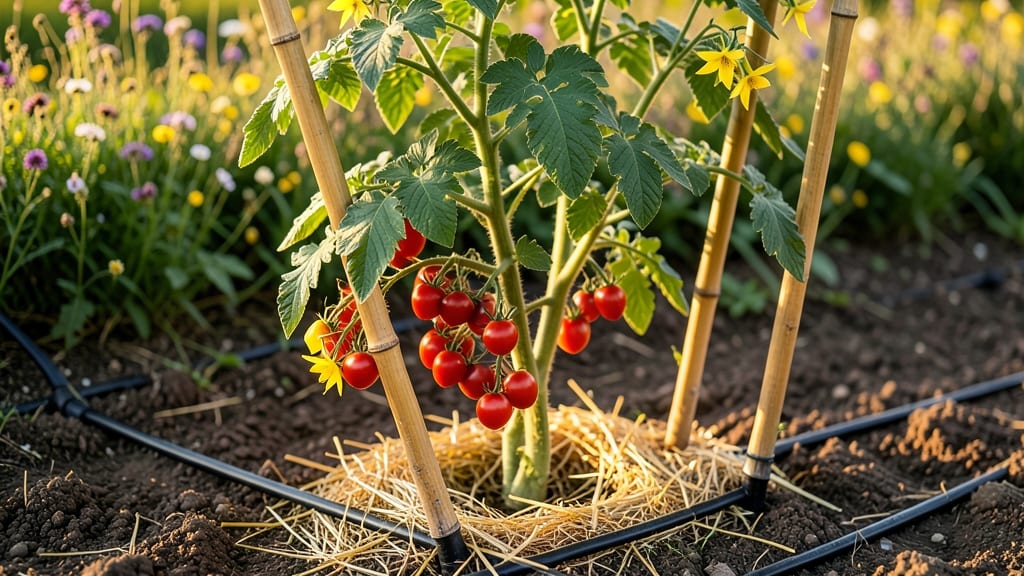
Growing Sweet 1000 tomatoes in cold climates feels like a rebellion against short seasons. 🌱 I've grown them in Zone 3 for years, and they produce pounds of sweet, cherry-sized fruit when given the right start.
The secret isn't heat—it's timing, soil warmth, and smart pruning to protect them from late frosts. These tomatoes thrive in full sun (6+ hours daily) but need soil temperatures above 55°F to germinate. I use black plastic mulch to warm the beds early, then transplant seedlings after the last frost.
Water consistently at the base—never overhead—to prevent disease in damp climates. By 60 days, you'll be harvesting clusters of 1-inch red jewels that taste like summer. The vines stay compact if pruned early, making them perfect for containers or small spaces.
Even my black thumb can't kill these if I follow the simple rules. Cold nights? No problem. These tomatoes handle 40°F without damage, and their early maturity means you'll beat most pests. Here's how to make them work for you—no matter where you garden.
📚 In This Guide
- What you need
- Instructions
- Tips and common mistakes
- Wrapping up and next steps
What you need
- ● Seeds or seedlings: 3–5 Sweet 1000 tomato seeds (or 1–2 seedlings if starting later). Choose heirloom or hybrid varieties labeled for cold tolerance.
- ● Containers or garden beds: 5-gallon pots (1 per plant) or
- ● Raised beds (12" deep, with good drainage)
- ● High-quality potting mix: 10–15 lbs (for containers) or 5–10 cubic feet (for beds). Use a mix with 50% compost for nutrients.
- ● Fertilizer: Balanced fertilizer (10-10-10) or
- ● Organic options like worm castings or fish emulsion.
- ● Mulch: Straw or black plastic (to retain heat and moisture).
- ● Gloves & trowel (for planting and soil prep).
- ● Watering can or hose with a gentle nozzle (tomatoes hate soggy roots!).
- ○ Row covers or cold frames (optional but highly recommended for early planting).
- ● Stakes or cages (3–4 ft tall, 1 per plant).
- ● pH test kit (ideal soil pH: 6.0–6.8).
- ● Sunlight access: 6+ hours of direct sun daily (use grow lights if indoors).
- ● Heat mats (for seed starting, 70–80°F range).
- ● Black plastic mulch (raises soil temp by 5–10°F).
- ● Thermometer (to monitor soil temps—50°F+ for germination).
Step-by-Step instructions for growing Sweet 1000 tomatoes in cold climates
Here’s how I’ve grown vigorous, high-yielding Sweet 1000 plants in short seasons—ready for harvest in just 60 days.
🌱 Step 1: Start Seeds Indoors 8-10 Weeks Before Last Frost
Sweet 1000 tomatoes thrive when started indoors under grow lights. Fill small seedling trays with a sterile seed-starting mix and sow seeds ¼ inch deep, pressing lightly to ensure good soil contact. I use a heat mat set to 75-80°F to speed germination—you’ll see sprouts in 5-7 days. Keep the soil consistently moist but never soggy; overwatering at this stage invites damping-off disease.
Once seedlings emerge, move them to a sunny windowsill or under 14-16 hours of grow light daily. Thin to one strong seedling per cell, snipping weaker stems at the base. You’ll know they’re ready for transplant when they develop true leaves (the second set after the initial cotyledons). This usually takes 3-4 weeks—watch for sturdy stems and vibrant green leaves as your cue.
☀️ Step 2: Harden Off Seedlings Over 10-14 Days
Two weeks before your last frost date, begin hardening off seedlings by placing them outside in a sheltered spot for 1-2 hours on the first day. Gradually increase their outdoor time by 1 hour daily, moving them to sunnier locations as they adapt. This process mimics natural conditions and prevents transplant shock.
I always check for wilting or yellowing leaves—signs they’re not ready. If you see these, extend their acclimation time. By the final week, they should tolerate a full day outside, even in cooler temperatures. Nighttime temps below 50°F can stunt growth, so cover them with frost cloth if needed during this period.
🪴 Step 3: Transplant to Outdoor Beds or Containers
Choose a location with full sun (6-8 hours daily) and well-draining soil with a pH of 6.0-6.8. Bury stems deeper than usual—up to ⅓ of the plant’s height—to encourage strong root growth. Space plants 18-24 inches apart in rows 3 feet apart to allow airflow and prevent disease.
Water deeply at transplanting to settle the soil and reduce shock. Mulch with 2-3 inches of straw or shredded leaves to retain moisture and suppress weeds. Avoid fertilizing immediately—let the roots establish for 7-10 days before applying a balanced, 10-10-10 fertilizer at half strength. You’ll see new growth within a week if conditions are right.
💧 Step 4: Support and Prune for Maximum Yield
Sweet 1000 tomatoes benefit from staking or caging—I use 6-foot bamboo stakes tied loosely with soft plant ties. As the plant grows, prune suckers (the small shoots in the leaf axils) to direct energy into fruit production. Remove any leaves touching the soil to prevent disease.
Water consistently at the base, aiming for 1-1.5 inches per week. Drip irrigation is ideal—it delivers moisture directly to the roots without wetting foliage. Watch for yellowing lower leaves, a sign of overwatering or nutrient deficiency. Adjust your routine accordingly, keeping the soil moist but not waterlogged.
⏰ Step 5: Harvest at Peak Ripeness for Best Flavor
Sweet 1000 tomatoes ripen quickly in cold climates—expect fruit in 60 days from transplant. Harvest when they’re fully red and slightly soft to the touch. Use pruning shears to avoid damaging the vine, and pick daily to encourage more production.
Store harvested tomatoes at room temperature for 2-3 days or refrigerate for up to 2 weeks. The sugar content peaks when they’re deep red and fragrant—this is your cue to enjoy them fresh or preserve them for later. With proper care, one plant yields 10-15 pounds of fruit, making it a cold-climate winner.
Tips & tricks for growing Sweet 1000 tomatoes in cold climates
Cold-climate growing doesn't have to mean sacrificing sweet, juicy tomatoes—these tricks will help you beat the odds and grow thriving Sweet 1000 plants.
Heat Mat Strategy: For Step 1, that 75-80°F heat mat temperature is non-negotiable for germination. If you don't have one, place your seed trays on top of your refrigerator (not inside) for consistent warmth. I've also had success using a simple incandescent bulb on a timer—just keep it 6-12 inches above the seeds to maintain that optimal range without overheating.
Lighting Hack: In Step 1, when moving seedlings to 14-16 hours of grow light, I recommend using a timer to automate this. Most grow lights come with built-in timers, but if yours doesn't, set your phone alarm as a backup. The consistency prevents leggy seedlings that struggle later. If natural light is limited, supplement with LED grow lights—they're energy-efficient and produce less heat than traditional bulbs.
Transplant Timing: For Step 3, the 7-10 day wait before fertilizing is crucial. I've learned this the hard way—rushing fertilization can burn tender new roots. During this period, I monitor soil moisture closely. If the top inch feels dry, water gently, but avoid soaking the soil. The goal is to establish roots before pushing growth with nutrients.
Harvesting Secret: In Step 5, those 2-3 days at room temperature before refrigeration make all the difference. The sugar content continues to develop during this time, creating tomatoes with superior flavor. I always harvest in the morning when tomatoes are cool and firm—this preserves their quality. For storage, place them stem-side down on a paper towel in a single layer to prevent bruising.
Pro Tips for Sweet 1000 Tomato
- Cold-climate growing doesn't have to mean sacrificing sweet, juicy tomatoes—these tricks will help you beat the odds and grow thriving Sweet 1000 plants.
- Heat Mat Strategy: For Step 1, that 75-80°F heat mat temperature is non-negotiable for germination.
- Lighting Hack: In Step 1, when moving seedlings to 14-16 hours of grow light, I recommend using a timer to automate this.
Frequently asked questions
How cold can Sweet 1000 tomatoes tolerate before planting?
Sweet 1000 tomatoes thrive in cooler temps than most varieties, but wait until soil reaches 50–55°F (10–13°C) before planting. Use frost cloth for early starts if nights dip below 40°F (4°C). Young plants can handle light frost (down to 28°F/-2°C), but avoid freezing soil—roots need warmth to grow!
Can I grow Sweet 1000 tomatoes in containers? What size pot do I need?
These tomatoes adapt well to containers. Use a 5-gallon (19L) pot minimum—bigger is better for stability and yield. Ensure pots have drainage holes, and place them in a sunny spot. Add compost-rich potting mix and stake or cage plants early to support growth. Pro tip: Move containers indoors or to a garage if night temps drop below 45°F (7°C).
Why are my Sweet 1000 tomatoes cracking? How do I prevent it?
Cracking often happens when plants get too much water too quickly (e.g., after a dry spell) or uneven soil moisture. To prevent it:
- Water deeply but consistently—aim for 1–1.5 inches (2.5–4 cm) per week.
- Mulch heavily to retain moisture and regulate soil temp.
- Harvest tomatoes when 75% ripe to avoid over-maturation.
Are Sweet 1000 tomatoes disease-resistant? What pests should I watch for?
Sweet 1000 tomatoes are moderately resistant to verticillium and fusarium wilt, but they’re not immune to all diseases. Watch for:
- Early blight: Remove yellow leaves and rotate crops next season.
- Hornworms: Handpick caterpillars (they’re huge and easy to spot!).
- Aphids: Spray with soapy water or introduce ladybugs.
What’s a good alternative if Sweet 1000 tomatoes don’t grow well in my climate?
If your season is too short or too hot, try these cold-hardy or heat-tolerant alternatives:
- ‘Stupice’: A cold-resistant heirloom that ripens in 50–60 days.
- ‘Mountain Merit’: Disease-resistant and productive in cooler temps.
- ‘Solar Fire’: Heat-tolerant and early-maturing (55 days).
- ‘Glacier’: A cherry tomato that thrives in short seasons.
Wrapping up and next steps
Growing Sweet 1000 tomatoes in cold climates isn’t just possible—it’s rewarding! With the right timing, soil prep, and care, you’ll enjoy a bountiful harvest in just 60 days.
Whether you’re a beginner or a seasoned gardener, these tips will help you turn your backyard into a sweet, juicy tomato haven.
Now that you’re armed with knowledge, it’s time to roll up your sleeves and plant! Start with a few seeds or seedlings, follow the guide, and soon you’ll be savoring homegrown tomatoes that taste like summer in every bite. Happy gardening! 🌱🍅