
Vegetables
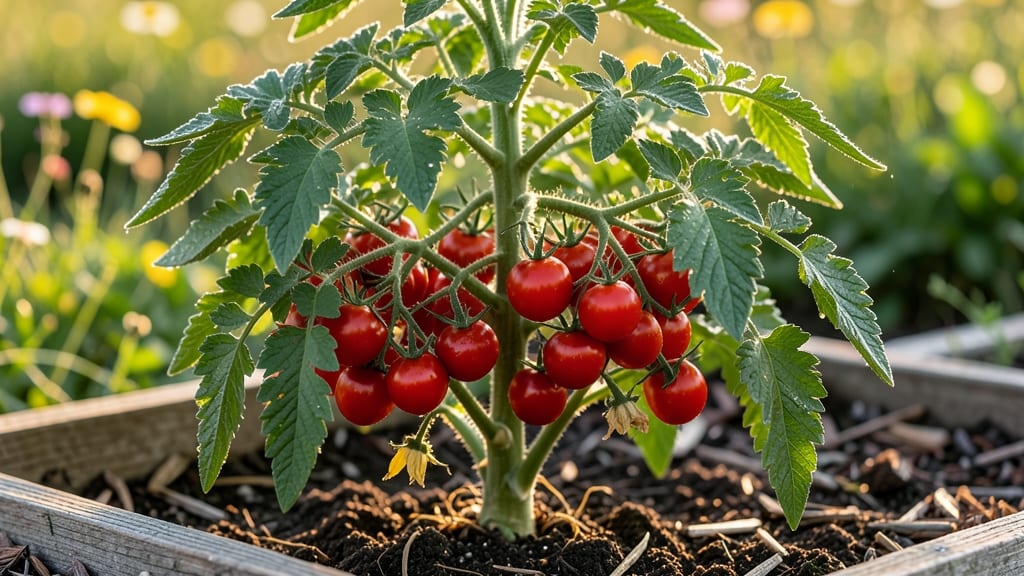
Growing Sweet Hundred cherry tomatoes in cold climates feels like cheating the system—tiny, sugar-packed fruits that ripen before frost even touches them. 🌱 I learned the hard way that standard varieties bolt when temps dip, but this heirloom keeps producing until hard freeze, with flavors so intense they make grocery-store tomatoes taste like cardboard.
The secret isn’t fancy greenhouses—it’s cool-season prep. Plant after your last frost in well-draining soil with 6-8 hours of sun, and space them 18 inches apart (they’ll sprawl like vines but stay compact). Water at the base every 2-3 days, never overhead, or you’ll invite blight.
Prune suckers aggressively—this variety thrives when focused on fruit, not foliage. By mid-summer, you’ll be snipping pint-sized jewels that burst with flavor, and the plants will keep surprising you with new clusters until October. The real magic?
They handle light frosts better than most tomatoes, so you stretch harvests 2-3 weeks longer than expected. Here’s the kicker: no staking needed. Let them trail over containers or trellises, and you’ll turn even a small balcony into a cherry tomato factory.
Just watch for hornworms—they love these tomatoes too. Now, let’s get those seeds in the ground!
📚 In This Guide
- What you need
- Instructions
- Tips and common mistakes
- Wrapping up and next steps
What you need
- ● Sweet Hundred Cherry Tomato Seeds or Seedlings: 10–20 seeds (if starting from scratch) or 3–5 healthy seedlings (for faster results)
- ● Pro tip: Choose cold-hardy varieties like ‘Sweet 100’ or ‘Tiny Tim’ for resilience!
- ● Containers or Raised Beds: 5–10 gallon pots (1 plant per pot) or 4’x8’ raised beds (3–4 plants per bed)
- ● Drainage holes required to prevent root rot!
- ● High-Quality Potting Mix: 1–2 bags (2–3 cubic feet) of sterile, well-draining mix (avoid garden soil—it compacts!)
- ○ Optional boost: Add perlite or vermiculite (10% by volume) for extra aeration.
- ● Fertilizer: Balanced organic fertilizer (e.g., 5-5-5 or 10-10-10) or compost tea
- ● Slow-release granules (1 tbsp per plant) at planting + liquid feed every 2–3 weeks.
- ● Grow Lights or Sunlamps: LED grow lights (12–16 hours/day) for indoor setups or reflective Mylar blankets for greenhouses.
- ● Heat Mats or Greenhouse: Heat mat (for seedlings) or a cold-frame greenhouse (to extend the season).
- ● Support Structures: Cages, trellises, or tomato stakes (1 per plant—cherries need support!)
- ● Watering Can or Drip System: Self-watering system recommended to avoid over/under-watering.
- ● Pruning Shears & Gloves: Sterilized shears for trimming suckers and heavy-duty gloves for handling plants.
- ● Indoor Growing Space: South-facing window (if natural light) or dedicated grow room (60–75°F).
- ● Season Extension Tools: Row covers (for outdoor starts) or a mini greenhouse (4’x4’ footprint).
- ● Patience & Planning: Start seeds indoors 6–8 weeks before last frost (or year-round in controlled environments!).
Step-by-step instructions for growing sweet Hundred cherry tomatoes in cold climates
Here’s how I’ve mastered growing these sweet, prolific tomatoes even when winter lingers.
🌱 Step 1: Start Seeds Early Indoors for a Head Start
Begin seeds 8-10 weeks before your last frost date—this gives them time to mature before cooler weather sets in. Use biodegradable pots (like peat or coconut fiber) to avoid root disturbance when transplanting. Fill them with sterile seed-starting mix (never garden soil) and plant seeds ¼ inch deep, just below the surface. Gently press the soil around them to ensure good seed-to-soil contact.
Place pots in a warm spot (70-75°F) with a humidity dome or plastic wrap to retain moisture. A seedling heat mat speeds germination to 7-10 days. Once sprouts appear, remove the cover immediately—condensation invites damping-off disease. Keep the soil consistently moist but not soggy—tap the pot gently if unsure; it should feel damp but not dripping.
☀️ Step 2: Transition to Strong Light and Harden Off Gradually
When seedlings develop first true leaves (not the initial cotyledons), move them under grow lights (14-16 hours/day). A south-facing window won’t cut it—without enough light, seedlings stretch leggy and weak. Position lights 2-3 inches above plants and raise them as they grow. Strong seedlings have thick stems and dark green leaves spaced closely together.
Two weeks before transplanting outdoors, start hardening off by placing seedlings outside in partial shade for 1-2 hours daily, increasing time gradually. This toughens them for cold snaps. Watch for wilting or yellowing leaves—if they appear, they’re not ready yet. Cold nights? Cover them with a frost cloth for extra protection.
🪴 Step 3: Plant in Raised Beds or Containers for Cold Resistance
Sweet Hundreds thrive in raised beds or large containers (at least 12 inches deep) where soil warms faster. Amend the soil with compost for fertility and perlite to improve drainage. Plant 2-3 seedlings per container (they’re vigorous climbers) and bury them deeper than the pot—this encourages stronger root growth. Space plants 18-24 inches apart to allow airflow and prevent disease.
Mulch heavily with straw or shredded leaves to insulate roots and retain moisture. In Zone 4 or colder, use black plastic mulch to absorb heat during the day. Water at the base (not overhead) to avoid fungal issues. You’ll know they’re established when new leaves appear within 2 weeks—this means roots are settling in.
✂️ Step 4: Prune and Protect for Extended Harvests
Pinch off the first flower clusters until plants are 12-18 inches tall—this redirects energy to foliage, not fruit. Once established, prune suckers (the small shoots between stems and leaves) to focus growth on the main plant. Use bamboo stakes or cages to support vines as they grow. In cold climates, remove lower leaves to prevent soil-borne diseases from splashing upward.
When nighttime temps drop below 50°F, cover plants with row covers or cloches to extend the season. Harvest every 2-3 days—cherries ripen quickly, and overripe fruit deters new blooms. You’ll know they’re ready when they’re deep red and slightly soft to the touch. A single plant can yield hundreds of tomatoes with proper care!
⏰ Step 5: Overwinter for Year-Round Production
After the first frost, prune plants back to 6 inches tall and move containers to a sunny, sheltered spot (like a greenhouse or unheated garage). Reduce watering but keep soil lightly moist. In Zones 5-7, use row covers outdoors through winter for a late harvest. Sweet Hundreds are perennial in warm climates, but in cold areas, treat them as annuals—they’ll reward you with early spring fruit if started indoors again.
I’ve grown these in Zone 4 winters by combining early starts, containers, and protection—the key is patience and layering. With these steps, you’ll enjoy sweet, sun-ripened cherries even when snow is still on the ground.
Tips & tricks for perfect sweet Hundred cherry tomatoes in cold climates
These simple but game-changing strategies will help you coax sweet, sun-ripened cherry tomatoes from your garden even when winter refuses to let go.
Seedling Heat Secret: That 70-75°F warmth for germination is non-negotiable—any cooler and you risk uneven sprouting or damping-off disease. I use a seedling heat mat set to 72°F and place pots on top of my refrigerator (which stays cool) to create that perfect temperature gradient. Pro tip: Place a small fan nearby on low setting to gently circulate air—this prevents condensation buildup under the humidity dome, which is the #1 cause of seedling rot.
Lighting Upgrade: The 14-16 hours/day of grow light is crucial, but don't just set it and forget it. Adjust the height every 3-4 days as seedlings grow—when you can see light reflecting off the top leaves, it's time to raise them another inch. I've found that using full-spectrum LED grow lights (around $80-$120) pays for itself in stronger seedlings. The blue spectrum promotes compact growth while red encourages flowering later.
Cold Climate Planting Hack: For Zone 4 growers, here's what I do with those 12-inch deep containers—fill the bottom third with composted leaves mixed with perlite to create an insulating layer. This helps maintain root zone warmth even when surface temps drop. When transplanting, I also add a 2-inch layer of straw mulch right after planting, then top with black plastic mulch. This combo can raise soil temps by 10-15°F during sunny days, giving your plants a real advantage.
Harvest Timing: Those every 2-3 days harvests might seem frequent, but it's worth it. I've found that picking at the deep red, slightly soft stage (when they yield gently to thumb pressure) maximizes sweetness. For cold climate gardens, I set up a small greenhouse-style hoop tunnel over my plants after the first frost—this lets me harvest through November in Zone 4. The key is checking plants morning and evening when temps are most stable.
Pro Tips for Sweet Hundred Cherry Tomato
- These simple but game-changing strategies will help you coax sweet, sun-ripened cherry tomatoes from your garden even...
- Seedling Heat Secret: That 70-75°F warmth for germination is non-negotiable—any cooler and you risk uneven sprouting ...
- Lighting Upgrade: The 14-16 hours/day of grow light is crucial, but don't just set it and forget it. Adjust the heigh...
Frequently asked questions
Got questions about growing Sweet Hundred cherry tomatoes in cold climates? You're not alone!
Here are answers to the most common queries to help you crush your harvest—even when Jack Frost is nipping at your heels.
Can Sweet Hundred cherry tomatoes survive frost?
Sweet Hundred tomatoes are tender and cannot tolerate frost. However, they thrive in containers, making them easy to move indoors or under row covers when temperatures dip below 50°F (10°C). For extra protection, use frost blankets or grow them in a greenhouse.
How long does it take for Sweet Hundred tomatoes to produce fruit?
From seed to harvest, expect 60–70 days in ideal conditions. If you start seedlings indoors 6–8 weeks before the last frost, you’ll likely see your first cherry tomatoes by mid-to-late summer. Patience pays off—these prolific plants keep producing until frost!
What’s the best way to overwinter Sweet Hundred tomatoes?
Since Sweet Hundred is an annual, it won’t regrow after frost. However, you can extend the season by:
- Moving potted plants indoors near a sunny window or under grow lights.
- Using row covers to delay cold damage (until temps drop below 25°F (-4°C)).
- Saving seeds from your best tomatoes for next year’s garden!
Are Sweet Hundred tomatoes sweeter than other cherry tomatoes?
Sweet Hundred is prized for its exceptional sweetness, often described as tropical or honey-like. This variety matures faster and produces more fruit per plant than standard cherry tomatoes, making it a favorite for cold-climate gardeners.
What pests should I watch for with Sweet Hundred tomatoes?
Common pests include:
- Hornworms: Handpick them (they’re easy to spot!) or use Bacillus thuringiensis (Bt).
- Aphids: Blast them off with water or introduce ladybugs.
- Blossom end rot: Caused by calcium deficiency—ensure consistent watering and add crushed eggshells to soil.
Can I grow Sweet Hundred tomatoes in containers?
Yes! This variety is perfect for containers—just use a 5-gallon pot or larger with drainage holes. Place pots in full sun (6+ hours/day) and fertilize every 2–3 weeks with a balanced tomato feed. Containers also make it easy to move plants indoors before cold snaps!
Wrapping up and next steps
Growing sweet hundred cherry tomatoes in cold climates isn’t just possible—it’s a rewarding adventure that brings fresh, juicy flavors to your table year-round! 🌱 With the right hacks, containers, and care, you can enjoy a bountiful harvest even when frost is on the horizon.
Whether you’re a seasoned gardener or just starting out, these tips make it easier than ever to turn your space into a productive tomato paradise.
Ready to take the next step? Start small—pick a sunny spot, gather your supplies, and plant those seeds! Your future self (and taste buds) will thank you. Happy growing! 🍅✨