
Vegetables
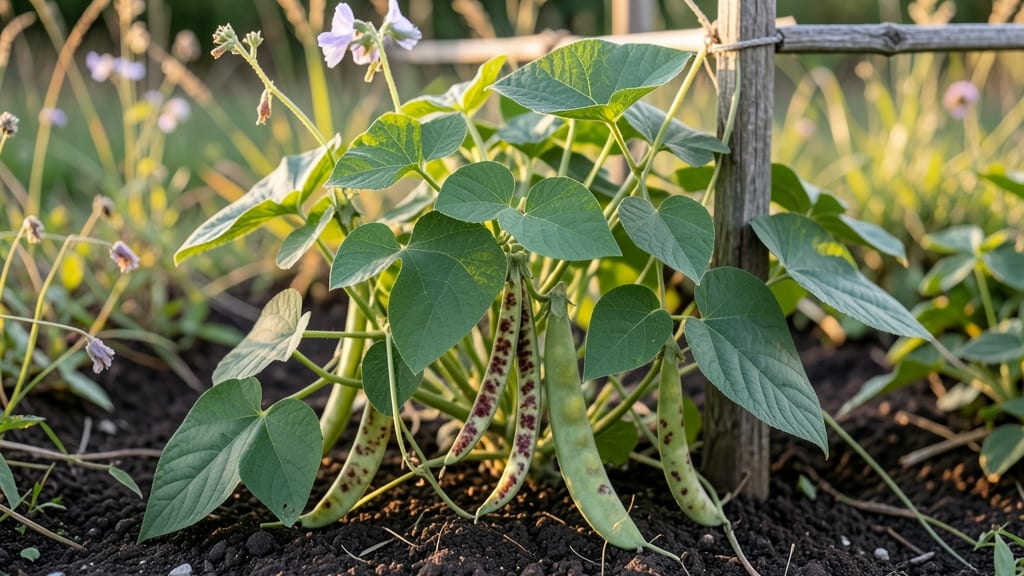
Growing tiger eye beans transforms your patio into a vertical rainbow of stripes. 🌿 These striking beans aren’t just pretty—they’re productive, too, thriving in containers where other varieties might struggle.
I’ve grown them in 5-gallon pots for three seasons now, and they’ve never disappointed, producing 12-15 inches of edible pods with bold white-and-purple stripes.
They’re warm-season annuals that love heat, making them perfect for USDA Zones 5-11 when planted after the last frost. Start seeds indoors 4-6 weeks before your last frost date, or sow directly into containers once soil reaches 60°F.
The key is well-draining soil—mix compost with potting mix—and a sunny spot with 6+ hours of light daily. Overcrowding is their enemy, so give each plant 4-6 inches of space.
Water consistently to keep soil moist but not soggy, and watch for bean beetles or powdery mildew in humid climates. A light spray of neem oil usually does the trick.
Harvest begins 50-60 days after planting when pods are firm and 3-4 inches long. The longer you wait, the tougher the seeds get—so pick regularly to encourage more production.
These beans adapt beautifully to small spaces, balconies, or even hanging baskets. They’re also great for succession planting—sow new seeds every 2 weeks for a continuous harvest. The stripes fade slightly as pods mature, but the flavor stays sweet and tender. Ready to grow your own edible art?
📚 In This Guide
- What you need
- Instructions
- Tips and common mistakes
- Wrapping up and next steps
What you need
- ● Tiger eye bean seeds: 10–20 seeds (look for heirloom varieties like 'Zebra' or 'Tiger Eye' for the classic striped pattern).
- ● Growing containers: 1–2 deep pots (10–12 inches tall) with drainage holes, or a raised garden bed (12–18 inches deep).
- ● Potting mix: 5–10 gallons of well-draining, organic-rich soil (mix garden soil with compost in a 2:1 ratio).
- ● Support structure: 5–6-foot bamboo stakes, trellis, or tomato cages (1–2 per container for climbing).
- ● Watering can or hose: With a gentle spray nozzle for even moisture.
- ○ Fertilizer (optional): Balanced organic fertilizer (10-10-10) or compost tea for a nutrient boost.
- ● Gloves: Gardening gloves to protect your hands while handling soil or seeds.
- ● Trowel or small shovel: For planting seeds and transplanting seedlings.
- ○ Spray bottle (optional): For misting seeds during germination.
- ● Sunlight access: A spot with 6–8 hours of direct sunlight daily (south-facing window or balcony works!).
- ● Patience (and warmth!): Tiger eye beans thrive in 70–85°F soil temps—wait until after the last frost.
Step-by-step guide for growing stunning tiger eye beans in containers
These striking beans are easier to grow than you think—here’s how to coax their bold stripes into full bloom.
🌱 Step 1: Choose the Right Container and Soil Mix
Tiger Eye beans thrive in 5-gallon containers with drainage holes—no need for fancy setups. I use well-draining potting mix blended with 20% perlite to prevent soggy roots, which these beans despise. Fill the pot to 1 inch below the rim, leaving room for watering.
Tap the container gently to settle the soil without compacting it. The mix should feel like a damp sponge—not bone-dry, but not dripping wet. This ensures roots get oxygen while holding moisture. If your mix feels heavy, add 1 cup of compost per pot to boost nutrients without weighing down the soil.
☀️ Step 2: Plant Seeds at the Perfect Depth and Spacing
Sow 2-3 seeds per container at a depth of 1 inch, about 1 inch apart. Tiger Eye beans are sensitive to overcrowding, so resist the urge to cram them closer. Press the seeds lightly into the soil—just enough to cover them completely, then water gently until the surface is evenly moist.
Here’s the thing—these seeds need warmth to germinate. Place the pot in a spot with consistent 70-75°F soil temperature (a seedling heat mat helps if your home runs cooler). You’ll see sprouts in 7-10 days, but don’t be surprised if germination takes up to 2 weeks in cooler conditions.
💧 Step 3: Provide Support and Consistent Moisture
As soon as seedlings reach 3 inches tall, install a 5-foot bamboo stake or trellis in the center of the pot. Gently weave the vines around the support—this prevents breakage when pods develop. Tiger Eye beans grow 6-8 feet tall, so sturdy support is non-negotiable.
Water when the top inch of soil feels dry, but avoid soggy conditions. These beans tolerate short dry spells better than waterlogged roots. I use a drip irrigation system for containers to deliver steady moisture without overwatering. Mulch with 2 inches of straw to retain moisture and suppress weeds.
✂️ Step 4: Prune and Harvest for Continuous Production
Pinch back the main stem when it reaches 4 feet tall to encourage bushier growth. This redirects energy to side branches, resulting in more pods and better stripe visibility. Remove any yellowing leaves immediately—they drain the plant’s energy.
Harvest pods when they’re 4-5 inches long and still firm. The stripes darken as pods mature, so pick them young for the most vibrant color. Use clean pruners to snip stems, leaving ½ inch of stem attached. This encourages more flowers—and more pods—to form. Expect 3-4 harvests per season if you keep up with pruning.
🌿 Step 5: Extend the Season with Simple Care
Tiger Eye beans are warm-season lovers, but you can push their season by covering containers with frost cloth when night temps dip below 50°F. Remove the cover during the day to let sunlight warm the soil. In hot climates, provide afternoon shade to prevent wilting.
Feed plants every 4-6 weeks with a balanced 10-10-10 fertilizer diluted to half-strength. The key is consistency—these beans respond poorly to erratic feeding. Stop fertilizing 4 weeks before first frost to let pods mature fully. With proper care, you’ll enjoy bold stripes and crisp pods straight through fall.
Tips & tricks for growing stunning tiger eye beans
Your container garden can boast these eye-catching beans with these pro strategies that prevent common pitfalls.
Soil Temperature Secret: The 70-75°F soil temperature range is non-negotiable for germination. I use a seedling heat mat during cooler months—it's the difference between sprouts appearing in 7 days versus waiting 2 weeks. Place your thermometer in the soil to monitor accurately; surface temps can mislead you. If your home stays below 65°F, consider a sunny windowsill or grow light setup to maintain that warm zone.
Container Size Matters: While 5-gallon containers work beautifully, don't be tempted to use smaller pots. These vigorous vines need room to develop strong root systems. I've seen Tiger Eye beans struggle in 3-gallon containers, producing fewer pods with less vibrant stripes. If you must use smaller containers, consider trellising vertically to compensate for limited root space.
Watering Wisdom: The "top inch dry" rule works, but timing matters most in the morning. Watering early prevents fungal issues that thrive in damp evening conditions. I've found that mulching with 2 inches of straw not only retains moisture but also keeps soil temps more consistent—critical for these warm-season plants. Avoid overhead watering once plants are established to prevent leaf diseases.
Pruning Payoff: That 4-foot pinch point isn't arbitrary—it's when the plant has established enough energy reserves to handle the stress of pruning. I recommend using clean pruners and making cuts at a 45-degree angle just above a leaf node. This technique encourages bushier growth while preventing disease entry points. The result? More pods with those stunning stripes you're growing them for.
Pro Tips for Tiger Eye Beans
- Your container garden can boast these eye-catching beans with these pro strategies that prevent common pitfalls.
- Soil Temperature Secret: The 70-75°F soil temperature range is non-negotiable for germination.
- Container Size Matters: While 5-gallon containers work beautifully, don't be tempted to use smaller pots.
Frequently asked questions
Got questions about growing tiger eye beans?
You’re not alone! Here are some of the most common queries—plus quick, practical answers to help you cultivate these stunning striped beauties with confidence.
What’s the best way to grow tiger eye beans in containers?
Tiger eye beans thrive in 5-gallon containers or deeper with well-draining soil. Plant 2–3 seeds per container, 1 inch deep, and space them 4–6 inches apart. Use a trellis or stakes for support—their vines can grow 6–10 feet long! Ensure pots have drainage holes to prevent root rot.
How long does it take for tiger eye beans to mature?
From seed to harvest, tiger eye beans typically take 70–90 days in warm climates. In cooler regions, extend the season with row covers or start seeds indoors 2–3 weeks before the last frost. Watch for pods to swell and develop stripes—that’s your cue to pick!
Why aren’t my tiger eye beans flowering?
Lack of flowers? Check these fixes:
- Light: Ensure they get 6–8 hours of sunlight daily—partial shade can delay blooming.
- Temperature: Tiger eye beans need warm soil (60°F+). If nights are chilly, use a cold frame.
- Fertilizer: Add a low-nitrogen, phosphorus-rich fertilizer (like 5-10-10) when plants are 4–6 inches tall.
Can I save seeds from tiger eye beans for next year?
Yes! Let a few pods mature fully on the vine (they’ll turn brown and dry). Harvest the seeds, clean them, and store in a cool, dry place for up to 3 years. Pro tip: Label your seeds—tiger eye beans can cross-pollinate with other pole beans, affecting stripe patterns!
Are tiger eye beans edible, and how do they taste?
Their creamy-white beans with purple stripes are delicious when young and tender. Taste? Similar to green beans or wax beans—mild, slightly sweet, and buttery. Harvest pods at 4–6 inches long for the best texture. Fun fact: The stripes fade when cooked, but the flavor stays vibrant!
What can I plant alongside tiger eye beans to boost growth?
Try these companion plants for a thriving garden:
- Herbs: Basil, cilantro, or dill repel pests.
- Flowers: Marigolds deter beetles, while nasturtiums attract pollinators.
- Avoid: Fennel or onions—they stunt bean growth.
Bonus: Interplant with radishes or lettuce to maximize space!
Wrapping up and next steps
Growing tiger eye beans is a rewarding journey that brings vibrant color and delicious harvests to your container garden! 🌱 Their striking stripes and ease of cultivation make them a fantastic choice for both beginners and seasoned gardeners.
With the right care—sunlight, soil, and patience—you’ll enjoy a bountiful crop that’s as beautiful as it is tasty.
Ready to dive in? Start by gathering your supplies, then plant those seeds and watch your garden transform. Happy growing! 🌟