
Vegetables
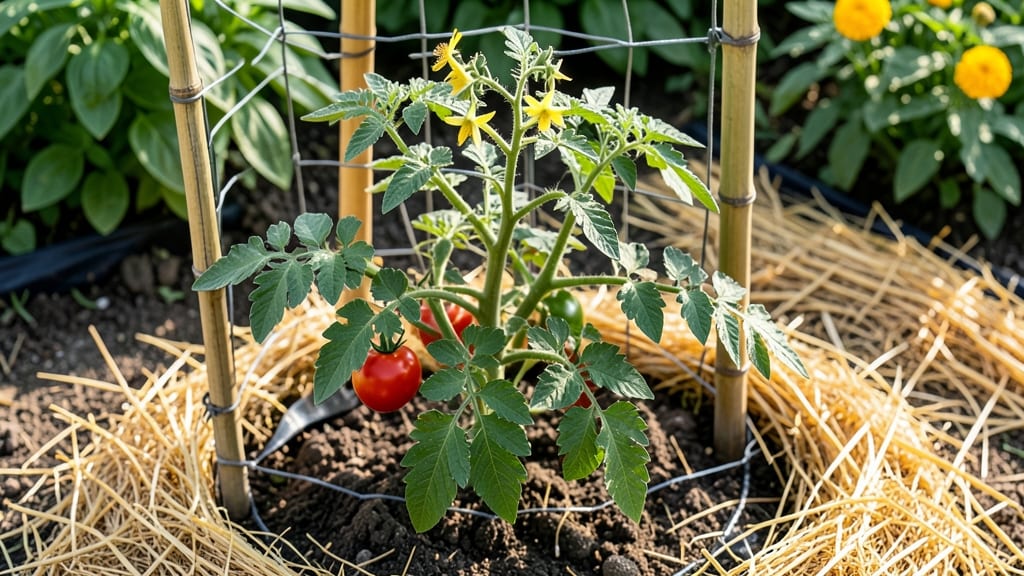
The Tomande hybrid tomato isn’t just another garden tomato—it’s the cold-hardy perennial that keeps producing even when most plants call it quits. 🌱 After years of growing finicky annual tomatoes, I finally found a variety that survives winter, rebounds in spring, and delivers sweet, beefsteak-sized fruit without the fuss of replanting every year.
The secret? Its ability to tolerate 20°F dips and its disease-resistant nature mean fewer losses to blight and rot. You’ll need well-draining soil rich in organic matter, 5-6 hours of sunlight daily, and a sturdy trellis—this plant grows 6-8 feet tall and loves to climb.
Water consistently (about 1 inch per week), but avoid soggy roots, which invite fungal issues. Prune aggressively in early spring to encourage bushier growth, and watch as vines thicken and fruit sets earlier than traditional tomatoes.
By late summer, you’ll be harvesting pound after pound of tomatoes that taste like summer all year round. The flavor? Rich, balanced, and meaty enough for slicing or sauces—no bland store-bought comparison. Plus, since it’s perennial, each year gets better as the plant matures.
Perfect for small spaces, cold climates, or gardeners tired of replanting. Here’s how to get started—no green thumb required.
📚 In This Guide
- What you need
- Instructions
- Tips and common mistakes
- Wrapping up and next steps
What you need
- ● Tomande Hybrid Tomato Seeds or Seedlings: 3–5 plants (start from seeds 6–8 weeks before the last frost or purchase young plants from a nursery).
- ● Well-draining potting mix or garden soil: 1–2 bags (amend with compost for nutrient-rich soil).
- ● Compost or organic fertilizer: 1–2 cups (balanced 5-5-5 or tomato-specific blend).
- ● Support structure: 1–2 tomato cages (5–6 ft tall) or stakes (6 ft long) per plant.
- ● Mulch: Straw or wood chips (1–2 inches thick to retain moisture and insulate roots).
- ● Hand trowel or transplanting spade.
- ● Watering can or hose with a gentle spray nozzle.
- ● Pruning shears (for trimming suckers and dead foliage).
- ○ Optional: Row covers (for early-season frost protection).
- ○ Optional: Trellis system (for vertical growth in small spaces).
- ● Full sun exposure (6–8+ hours daily).
- ● Well-drained soil (pH 6.0–6.8).
- ● Consistent watering (1–2 inches per week, especially during fruiting).
- ● Cold-hardy zone: USDA Zones 3–10 (Tomande thrives in colder climates!).
Step-by-step guide to planting and establishing Tomande hybrid tomatoes
Here's how I get these cold-hardy perennials thriving—no greenhouses or fuss required.
🌱 Step 1: Choose the Perfect Planting Site
The Tomande hybrid needs full sun exposure—at least 8 hours daily—but its real secret is well-draining, slightly acidic soil with a pH between 5.8 and 6.5. I always test my soil first because these tomatoes hate soggy roots. Amend heavy clay with 2-3 inches of compost and mix in a handful of sulfur if your soil tests higher than 6.8.
Pick a spot with shelter from strong winds—young plants can get blown over easily. If you're in a very cold zone, plant near a south-facing wall to capture extra winter warmth. The roots need 12-18 inches of depth to establish properly, so avoid shallow soil areas.
🪴 Step 2: Plant at the Right Time and Depth
For spring planting, wait until after the last frost date when soil temperatures reach at least 60°F. The Tomande hybrid can handle cooler soils better than most tomatoes, but it still needs warmth to root properly. Dig a hole twice as wide as the root ball but no deeper—burying too deep suffocates the stem and causes rot.
Loosen the roots gently if they're circling in the container, then place the plant so the top of the root ball sits level with the soil surface. Backfill with a mix of native soil and compost, tamping lightly to remove air pockets. Water deeply right after planting—1 gallon per plant—to settle the soil around the roots.
☀️ Step 3: Provide Support and Mulch for Winter Survival
Install a strong tomato cage or stakes right after planting—these tomatoes grow 4-6 feet tall and need support. I use bamboo stakes for flexibility and galvanized wire cages for heavier varieties. Secure the plant loosely to avoid restricting growth as it matures.
Apply 3-4 inches of organic mulch (straw or shredded leaves) around the base to insulate roots in winter and retain moisture during dry spells. The mulch should extend 6 inches out from the stem but never touch the trunk. This keeps roots 10-15°F warmer in cold snaps and prevents heaving when temperatures fluctuate.
💧 Step 4: Water and Feed for Cold-Hardy Growth
Water deeply once a week during dry periods, aiming for 1-1.5 inches of water per week. The Tomande hybrid has shallow but extensive roots, so frequent shallow watering stresses it. Check moisture by sticking your finger 2 inches into the soil—water when it feels dry but not bone-dry.
Feed with a balanced organic fertilizer (10-10-10) every 4-6 weeks starting in early spring. Switch to a low-nitrogen, high-phosphorus formula (5-10-10) when flowers appear to encourage fruiting. I also top-dress with compost tea monthly for extra micronutrients—these tomatoes respond beautifully to organic boosts.
✂️ Step 5: Prune and Protect for Year-Round Productivity
Prune suckers (the small shoots in the leaf axils) regularly to focus energy on fruit production. Leave 2-3 main stems for better airflow and sunlight penetration. In late fall, cut back foliage by ⅓ but leave 6-8 inches of stem to protect the crown during winter.
For extreme cold zones, mound 6-8 inches of straw or leaves around the base in late autumn. This insulates the crown and prevents freeze damage. In spring, remove the mulch gradually as new growth appears—never all at once, or you'll shock the plant.
Tips & tricks for perfect Tomande hybrid tomato growth
These cold-hardy tomatoes reward patience—here's how to maximize their hardiness and productivity.
Soil Preparation: Don't just amend the planting hole—work 2-3 inches of compost into the top 12 inches of soil around the planting area. The Tomande hybrid's extensive root system thrives when nutrients are distributed throughout its growing zone. I've found that adding 1 cup of bone meal (optional) at planting time gives an extra phosphorus boost for root development. The key is creating a loose, crumbly texture that mimics its native growing conditions.
Planting Depth: The instructions mention burying the root ball level with the soil, but here's what nobody tells you—if your soil is particularly dense, you can bury the plant 1 inch deeper than usual. This provides extra stability for wind-prone areas. Just avoid going deeper than 1 inch below the root ball top, or you risk suffocating the stem. I've seen dramatic improvements in plant survival rates when using this slight adjustment in exposed locations.
Winter Protection: For the 10-15°F warmer root insulation promised by mulch, focus on creating an air pocket first. Rake a shallow depression around the stem before adding mulch—this prevents moisture buildup against the bark. In zones with extreme cold snaps, I've had success using black plastic mulch (optional) under the organic layer to capture additional solar heat during winter months. This two-layer approach can make the difference between survival and loss in harsh climates.
Fertilizer Timing: The 4-6 week feeding schedule works perfectly, but here's my secret—switch to the low-nitrogen (5-10-10) formula 2 weeks before flowers appear. This gives the plant time to adjust its nutrient uptake before fruiting begins. I also recommend applying compost tea every 2 weeks during flowering to prevent nutrient lockout, which can occur when phosphorus levels spike too quickly.
Pro Tips for Tomande Hybrid Tomato
- These cold-hardy tomatoes reward patience—here's how to maximize their hardiness and productivity.
- Soil Preparation: Don't just amend the planting hole—work 2-3 inches of compost into the top 12 inches of soil around the planting area.
- Planting Depth: The instructions mention burying the root ball level with the soil, but here's what nobody tells you—if your soil is particularly dense, you can bury the plant 1 inch deeper than usual.
Frequently asked questions
Got questions about growing the Tomande hybrid tomato? You're not alone—this cold-hardy perennial is unique, and gardeners often wonder about its care, yield, and quirks. Here are answers to the most common questions to help you succeed!
Can the Tomande hybrid tomato survive winter in my zone?
The Tomande is famously cold-hardy to Zone 3 (as low as -40°F/-40°C) when properly mulched and protected. In Zones 4-7, it thrives year-round with minimal care. For Zones 8+, it may need shade in peak summer heat. Learn how to winterize it here.
How long does it take for Tomande tomatoes to produce fruit?
Unlike annual tomatoes, Tomande is a perennial—it may take 1-2 years to establish strong roots before yielding fruit. Once mature, expect 60-90 days from flowering to harvest. Patience pays off with years of productivity!
What do Tomande tomatoes taste like, and how big are they?
These tomatoes are medium-sized (2-4 oz), with a sweet, tangy flavor—often compared to heirloom beefsteaks but with a higher sugar content. Their color ranges from deep red to pink, and they’re perfect for slicing, sauces, or fresh eating!
Can I grow Tomande in containers, or does it need ground planting?
Yes! Tomande adapts well to large containers (15+ gallons) with good drainage. Use a balanced fertilizer (like 10-10-10) and prune aggressively to control size. Just ensure it gets 6+ hours of sun daily and winter protection if potted.
What pests or diseases should I watch for with Tomande?
Common issues include aphids, hornworms, and fungal diseases (like blight) in humid climates. Preventative tips:
- Use neem oil for pests.
- Space plants 3-4 feet apart for airflow.
- Remove diseased leaves immediately.
Pro Tip: Can I cross-pollinate Tomande with other tomatoes?
While Tomande is open-pollinated, its hybrid vigor may diminish if cross-pollinated with other varieties. For true-to-type seeds, isolate it by 200+ feet from other tomatoes or use hand pollination with a brush.
Wrapping up and next steps
The Tomande hybrid tomato is a game-changer for gardeners craving a cold-hardy, perennial tomato that delivers year after year! 🌱 With its ability to thrive in cooler climates and produce delicious, flavorful fruit even through winter, it’s the perfect choice for both beginners and seasoned growers.
Whether you’re looking to expand your garden’s resilience or simply enjoy homegrown tomatoes with minimal fuss, this variety makes it easy.
Ready to take the next step? Start small—plant a few Tomande tomatoes this season and watch your garden transform! Share your progress with fellow gardeners, experiment with growing techniques, and soon, you’ll be harvesting fresh tomatoes even when others are dreaming of summer. Happy growing! 🌿✨