
Vegetables
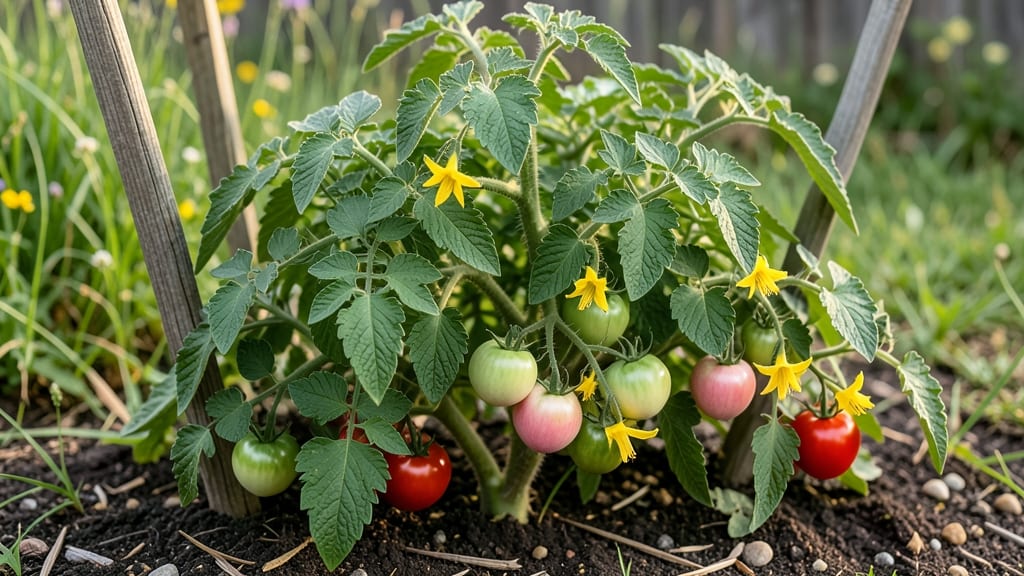
Choosing the right tomato fruit type turns your garden from a guess into a harvest. 🌱 From pint-sized cherry tomatoes bursting with sweetness to beefsteaks weighing over a pound, each type grows differently and serves a purpose—whether you want sandwich slices, pasta sauce, or fresh eating.
Size isn’t the only difference: heirlooms deliver complex flavors but need more space, while slicers like 'Celebrity' produce uniform fruit perfect for salads. Sauce tomatoes like 'San Marzano' pack dense flesh and low moisture, making them ideal for canning.
Your climate matters too—determinate varieties (bush types) thrive in cooler zones, while indeterminate vines stretch for heat and sun. You’ll know you’ve picked the right type when your plants stay healthy and productive. Cherry tomatoes feed birds but produce hundreds of fruit; beefsteaks yield fewer but bigger rewards.
For small spaces, patio varieties like 'Tiny Tim' deliver big flavor in tiny packages. Start by matching your goals to the type—then let the plants do the rest. Your kitchen (and taste buds) will thank you.
📚 In This Guide
- What you need
- Instructions
- Tips and common mistakes
- Wrapping up and next steps
What you need
- ● Tomato seeds or seedlings: 5-10 varieties (e.g., heirloom, cherry, beefsteak, paste) to compare textures, flavors, and growth habits.
- ● Potting soil: 10-15 lbs of high-quality, well-draining potting mix (look for organic options with compost).
- ● Containers or garden beds: 5-gallon pots (3-5 per variety) for container gardening, or
- ● Direct garden plots (12-18 inches deep, 2-3 feet wide per plant).
- ● Fertilizer: Balanced organic fertilizer (e.g., 5-5-5 or 10-10-10 NPK ratio) or compost tea for consistent nutrition.
- ● Stakes or cages: 3-4 ft tall tomato cages or sturdy bamboo stakes (1 per plant) to support vining varieties.
- ● Pruning shears: Sharp, clean pair for trimming suckers and dead leaves.
- ● Mulch: Straw or shredded leaves (5-10 lbs) to retain moisture and suppress weeds.
- ● Watering can or hose: With a gentle spray nozzle for even hydration.
- ○ pH test kit: Optional but helpful to monitor soil acidity (ideal range: 6.0-6.8).
- ● Chef’s knife and cutting board: For slicing, dicing, or crushing tomatoes.
- ○ Food processor or blender: Optional, for making sauces or salsas from paste tomatoes.
- ● Measuring cups/spoons: For recipes requiring precise tomato quantities (e.g., sauces, brining).
- ● Colander: For rinsing cherry or grape tomatoes before eating.
- ● Glass jars (pint or quart size):strong> For canning or storing tomato-based preserves.
- ● Growth journal: Notebook or app to track varieties, growth stages, and flavor notes.
- ● Taste-testing tools: Small plates, spoons, and a water glass for comparing flavors.
- ● Photography setup: Camera or smartphone for documenting tomato varieties at different ripeness stages.
- ● Seed-saving supplies: Paper envelopes and labels for preserving seeds from heirloom varieties.
How to identify and select tomato fruit types for your garden
Understanding tomato fruit types helps you choose varieties that thrive in your climate and suit your culinary goals.
🌱 Step 1: Recognize the Four Core Botanical Categories
Tomatoes fall into four primary fruit types: standard, cherry, beefsteak, and heirloom. Each has distinct growth habits and flavor profiles. Standard tomatoes—like Roma or San Marzano—grow in medium-sized, oblong shapes perfect for sauces and canning. Cherry tomatoes, such as Sweet 100 or Sun Gold, produce bite-sized fruits ideal for snacking or salads.
Beefsteak varieties, like Brandywine or Arkansas Traveler, develop large, meaty fruits with fewer seeds, making them ideal for sandwiches or burgers. Heirlooms, such as Cherokee Purple or Black Krim, often have unique flavors and colors but may require more care. Pay attention to these categories when selecting seeds or transplants—they determine both yield and culinary use.
🍅 Step 2: Evaluate Growth Habits by Determinate vs. Indeterminate
Beyond fruit type, tomatoes are classified as determinate or indeterminate, which affects how they grow and produce. Determinate varieties, like Celebrity or Roma, grow in compact bushes and produce fruit all at once, making them perfect for canning or processing. Indeterminate types, such as Early Girl or Better Boy, grow vine-like and continue producing fruit throughout the season.
Indeterminate tomatoes need staking or trellising to support their sprawling growth, while determinate varieties often bush out naturally. If you're short on space, determinate types are easier to manage, but indeterminate varieties offer a longer harvest window. Check the plant tag or seed packet to confirm growth habit before planting.
☀️ Step 3: Match Varieties to Your Climate and Season
Not all tomato types thrive in every climate. Early-maturing varieties, like Early Girl or Stupice, are ideal for short growing seasons or cooler regions, while heat-tolerant types, such as Heatmaster or Solar Fire, perform best in hot, dry conditions. If you live in a region with long, hot summers, prioritize heat-resistant varieties to avoid blossom drop or sunscald.
For container gardening, choose compact varieties like Tiny Tim or Patio Princess, which stay small enough for pots. If you're growing in greenhouses or high tunnels, indeterminate types like Sungold or Black Cherry excel due to extended growing seasons. Always verify a variety’s days-to-maturity and temperature preferences to ensure success.
🍽️ Step 4: Align Fruit Types with Culinary Uses
Select tomato types based on how you plan to use them. For sauces and pastes, choose meaty, low-moisture varieties like San Marzano or Amish Paste. If you prefer fresh eating, opt for sweet, juicy types like Sweet 100 or Black Krim. For grilling or slicing, beefsteak varieties like Brandywine or Cherokee Purple deliver rich flavor and texture.
Don’t overlook hybrid varieties, which often combine disease resistance with specific culinary traits. For example, Big Beef is a hybrid beefsteak that resists cracking and disease. Experiment with a mix of types—like a few cherry tomatoes for snacks and a beefsteak for sandwiches—to diversify your harvest and enjoy tomatoes in every form.
✂️ Step 5: Prune and Support for Optimal Fruit Development
Once planted, prune and support your tomatoes to maximize fruit quality. For indeterminate varieties, remove suckers (side shoots) to direct energy toward fruit production. Stake or cage indeterminate plants to keep them upright and prevent disease from touching leaves to the soil.
Determinate varieties typically need less pruning but benefit from light pruning of lower leaves to improve airflow. If growing in containers, ensure pots are large enough (at least 5 gallons) and use tomato cages or stakes for support. Regularly check for pests or diseases—early intervention preserves fruit quality and yield.
Tips & tricks for perfect tomato variety Selection
Choosing the right tomato types can transform your garden—and your kitchen. Here's what I've learned from years of trial and error.
Flavor and Use Pairing: The key to selecting tomatoes lies in matching varieties to their ideal culinary applications. For example, Roma tomatoes—with their thick flesh and minimal seeds—are perfect for sauces and pastes, while beefsteak varieties like Brandywine excel when sliced for sandwiches. I always recommend planting at least two types: one for fresh eating and another for cooking. This ensures you'll have tomatoes ready for every meal throughout the season.
Climate-Specific Selection: Your local climate should dictate your choices. In cooler regions, prioritize early-maturing varieties like Early Girl that can ripen quickly before frost. In hot climates, opt for heat-tolerant types such as Heatmaster that won't suffer from blossom drop. I learned this the hard way when my first heat-sensitive heirlooms failed in my southern garden—now I always check a variety's heat tolerance before purchasing seeds.
Growth Habit Considerations: The determinate vs. indeterminate distinction matters more than most gardeners realize. Determinate varieties like Roma produce all their fruit at once, making them ideal for canning batches. Indeterminate types like Sungold continue producing all season but require staking. I recommend using determinate varieties for container gardening where space is limited, while indeterminate types work better in ground beds where they can sprawl.
Hybrid Advantages: Don't overlook hybrid varieties—they often combine the best traits of heirlooms with disease resistance. For instance, Big Beef hybrids offer beefsteak-sized fruits with improved disease resistance. I always include at least one hybrid variety in my garden to ensure reliable yields, especially in regions prone to tomato diseases like early blight or fusarium wilt.
Pro Tips for Tomato Fruit Type
- Choosing the right tomato types can transform your garden—and your kitchen. Here's what I've learned from years of tr...
- Flavor and Use Pairing: The key to selecting tomatoes lies in matching varieties to their ideal culinary applications...
- Climate-Specific Selection: Your local climate should dictate your choices. In cooler regions, prioritize early-matur...
Frequently asked questions
Got questions about tomato fruit types? You’re not alone! Here are some of the most common queries gardeners and chefs ask—plus quick answers to help you pick, grow, or cook the perfect tomato.
What’s the difference between a tomato fruit and a vegetable?
Botanically, tomatoes are fruits because they develop from flowers and contain seeds! But legally (and in the kitchen), they’re treated as vegetables for cooking and nutrition. Think of it like a culinary loophole—nature’s way of keeping things interesting!
How long does it take for tomato plants to produce fruit?
Most tomato varieties take 60–85 days from transplanting to harvest, depending on the type (determinate vs. indeterminate). Early-season varieties like ‘Early Girl’ can fruit in as little as 50 days, while heirlooms may take longer. Patience is key—especially if you’re battling cool nights or pests!
Can I grow cherry tomatoes in the same pot as beefsteak tomatoes?
While possible, it’s not ideal. Cherry tomatoes (indeterminate) grow vigorously and may outcompete beefsteaks (often determinate) for space and nutrients. For best results, give each variety its own 5-gallon+ pot or plant them in separate beds. If sharing, prune cherries lightly to control sprawl.
Why did my tomato fruit turn white or yellow before ripening?
This is usually a sign of blossom end rot (calcium deficiency) or sunscald. For blossom end rot, improve soil calcium (add crushed eggshells or lime) and keep soil moist. Sunscald happens when fruit is exposed to too much sun—use shade cloth or mulch. A little prevention goes a long way!
What’s the best tomato type for salsa vs. sandwiches?
Salsa:
Use roma or plum tomatoes (low water, meaty texture). Sandwiches: Go for beefsteak or Brandywine (juicy, thick flesh). For versatility, heirloom varieties like ‘Black Krim’ work in both—but taste-test first!
Wrapping up and next steps
From heirlooms to cherry tomatoes, understanding the tomato fruit type you’re growing or cooking with can transform your gardening and culinary adventures! Whether you’re a home gardener or a chef, knowing the unique flavors, textures, and uses of each variety helps you make the most of these versatile fruits. 🌱
Ready to experiment? Start by planting a few different types in your garden or explore local farmers' markets for fresh, diverse tomatoes. The more you play with varieties, the more you’ll discover their hidden potentials—happy growing and cooking! 🍅✨