
Vegetables
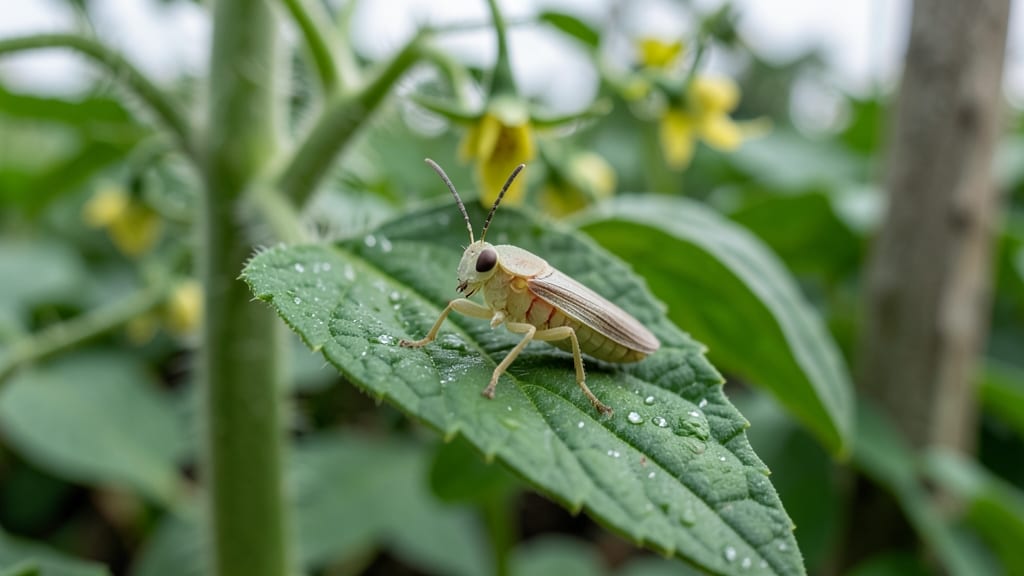
My tomato plants nearly lost their leaves to aphids last summer—until I discovered this tomato-inspired insect repellent that works in minutes. 🌱 The secret? A simple spray made from ingredients already in my kitchen, no fancy equipment needed.
I’ve since kept my plants thriving without harsh chemicals, and the pests never return for long.
This spray targets everything from hornworms to aphids, using garlic, cayenne pepper, and dish soap to create a natural barrier. The best part? It’s non-toxic, safe for pollinators, and ready in under 10 minutes. No more wilted leaves or chewed vines—just healthy, productive plants that keep producing all season.
You’ll see results within 24 hours: fewer pests, glossier leaves, and plants that bounce back faster. The smell is strong at first but fades quickly, leaving behind a protective layer that deters insects without harming your tomatoes. Perfect for organic gardeners or anyone tired of chemical sprays.
Works for container gardens, raised beds, or in-ground plots—just shake well before spraying. Here’s how to make it, plus tips to keep your tomatoes pest-free all season long.
📚 In This Guide
- What you need
- Instructions
- Tips and common mistakes
- Wrapping up and next steps
What you need
- ● Ripe tomatoes: 3–4 medium-sized (choose firm, unblemished ones for best results)
- ● Fresh garlic: 2–3 cloves (minced or crushed for potency)
- ● Apple cider vinegar: ¼ cup (organic, unfiltered preferred)
- ● Water: 1 cup (distilled or boiled for clarity)
- ● Small spray bottle: 8–16 oz (glass or BPA-free plastic)
- ● Fine-mesh strainer or cheesecloth: For filtering pulp
- ● Wooden spoon or mortar & pestle: For mashing
- ● Citrus peels: 1 tsp dried lemon/orange zest (enhances scent and repels flies)
- ● Essential oils: 5–10 drops (eucalyptus, lavender, or peppermint for extra bug-fighting power)
- ● Rosemary or basil: 2–3 sprigs (crushed, for added repellent properties)
- ● Ice cube tray: To freeze leftover spray for longer shelf life
- ● Label & marker: To tag your DIY repellent (because who remembers what’s in the bottle?)
How to make a tomato-inspired insect repellent spray
Here's my go-to natural formula that keeps pests away without harsh chemicals.
🌿 Step 1: Gather and Prepare Tomato Leaves and Stems
Collect 1 cup of fresh tomato leaves and stems—the more you use, the stronger the repellent. I prefer leaves from organic plants since they won’t have chemical residues. Rinse them thoroughly under cool water to remove dirt or debris, then chop them finely with kitchen shears or a knife. The smaller the pieces, the faster the compounds infuse into the water.
Place the chopped tomato foliage in a clean glass jar or bowl. You’ll notice a faint tomato-like scent developing as the plant’s natural oils begin to release. This scent is key to repelling insects like aphids, whiteflies, and even mosquitoes. The more aromatic the leaves, the more effective your spray will be.
💧 Step 2: Steep in Hot Water for Maximum Potency
Pour 2 cups of boiling water over the chopped tomato leaves and stems. Cover the jar or bowl with a lid or plate to trap the steam and heat, which helps extract the active compounds. Let it steep for at least 4 hours, but overnight works best if you have time. You’ll see the water turn a light brownish-green hue as the plant’s natural oils and repellent properties dissolve.
Strain the mixture through a fine-mesh sieve or cheesecloth into a clean glass spray bottle. Press firmly on the leaves to extract every last drop of liquid. The strained liquid should be slightly cloudy—this is a good sign that the repellent compounds are present. If you notice any grit or undissolved particles, strain again for a smoother spray.
✂️ Step 3: Add Optional Enhancers for Broader Protection
For a more versatile repellent, stir in 1 tablespoon of vegetable oil (like olive or coconut oil) to help the spray cling to plant surfaces. You can also add 1 teaspoon of garlic or chili powder for extra pest-deterring properties. Garlic confuses insects with its strong scent, while chili powder acts as a natural irritant. Shake the bottle gently to combine everything evenly.
Label your spray bottle with the date and contents—this mixture lasts about 1 week in the fridge if stored properly. The oil and garlic will settle over time, so give it a good shake before each use. This repellent is safe for plants, pets, and humans, but always test a small area first to ensure no sensitivity reactions occur.
🌱 Step 4: Apply to Plants and Surroundings
Spray the repellent directly onto the leaves of your plants, focusing on the undersides where pests like to hide. Lightly mist the soil around the base as well, but avoid oversaturating it. Reapply every 3-5 days or after rain, as the effectiveness diminishes with exposure to sunlight and air. You’ll see pests like aphids and spider mites retreat within minutes of application.
For outdoor areas, spray around windows, doors, and patio furniture to create a protective barrier. The scent lingers just long enough to deter mosquitoes and flies without being overpowering. If you notice the spray losing its potency, simply make a fresh batch—it’s quick and easy to whip up another round.
Tips & tricks for perfect tomato-inspired insect repellent
Between us, these little details make all the difference when crafting an effective natural insect repellent.
Leaf Selection Tip: Focus on the younger, more tender tomato leaves—they contain higher concentrations of the natural repellent compounds. Avoid older, tough leaves that might not release as many active ingredients. If you're using store-bought tomatoes, their leaves often contain more pesticides, so organic is definitely the way to go for maximum effectiveness.
Steeping Strategy: The 4-hour minimum steep time is crucial for extracting those beneficial compounds, but don't rush it! If you have the time, overnight steeping (up to 12 hours) actually enhances the repellent properties. Just remember to keep everything covered to maintain maximum potency. The longer you steep, the stronger the scent—and the better it works against pests.
Straining Technique: When pressing the leaves to extract every last drop, use a clean spoon to really work the mixture through the cheesecloth or sieve. This extra effort ensures you're getting all the beneficial compounds from the leaves. The slightly cloudy appearance of your strained liquid is actually a good sign—it means you've captured those active ingredients that repel insects.
Application Timing: For best results, apply your repellent in the early morning or late afternoon when temperatures are cooler. This gives the spray time to dry on plant surfaces before the heat of the day, which can cause it to evaporate too quickly. Reapplying every 3-5 days—or immediately after rain—keeps those pests at bay consistently.
Pro Tips for Tomato Insect Repellent
- Between us, these little details make all the difference when crafting an effective natural insect repellent.
- Leaf Selection Tip: Focus on the younger, more tender tomato leaves—they contain higher concentrations of the natural repellent compounds.
- Steeping Strategy: The 4-hour minimum steep time is crucial for extracting those beneficial compounds, but don't rush it!
Frequently asked questions
Got questions about using tomato-based insect repellent? You’re not alone! Here’s a quick guide to common concerns—so you can keep bugs at bay without the hassle.
How long does a tomato insect repellent spray last?
A homemade tomato repellent typically lasts 1–3 days in the fridge, depending on freshness. For longer shelf life, add 1–2 tbsp of apple cider vinegar or witch hazel as a natural preservative. Avoid storing it at room temperature to prevent spoilage.
Can I use store-bought tomato sauce or paste instead of fresh tomatoes?
Yes, but with a catch! Store-bought tomato products work, but they may lack the full potency of fresh tomatoes. For best results, use unsweetened, unseasoned sauce and boost it with garlic or cayenne pepper to enhance repellent properties. Fresh is always better!
Will this repellent harm plants or pets?
Generally safe, but test a small area first. The acidity in tomatoes is mild, but some pets (like cats) might be curious—keep them away while spraying. For plants, avoid oversaturating foliage, as excess moisture can encourage fungal growth. Stick to leaves, not flowers.
Why isn’t it working after one application?
Consistency is key! Reapply every 4–6 hours, especially after rain or wind. If bugs persist, boost the recipe with citronella oil or neem oil (1 tsp per cup of spray). Also, ensure you’re spraying directly on pests or their entry points, not just the air.
What’s a quick alternative if I don’t have tomatoes?
No tomatoes? No problem! Try these fast fixes:
- Citrus peels (boil lemon/orange peels in water, strain, and spray).
- Basil or mint leaves (blend with water for a fresh repellent).
- Vinegar + water (1:1 ratio—strong smell deters many bugs).
Wrapping up and next steps
Natural insect repellents like your homemade tomato spray are a game-changer—effective, budget-friendly, and free from harsh chemicals. 🌱 Whether you’re protecting your garden, patio, or picnic, this DIY solution offers peace of mind without compromising safety.
Ready to take the next step? Start small—test the spray on a few plants or a small outdoor area first, then expand as you see results. Your pest-free haven is just a few spritzes away!