
Vegetables
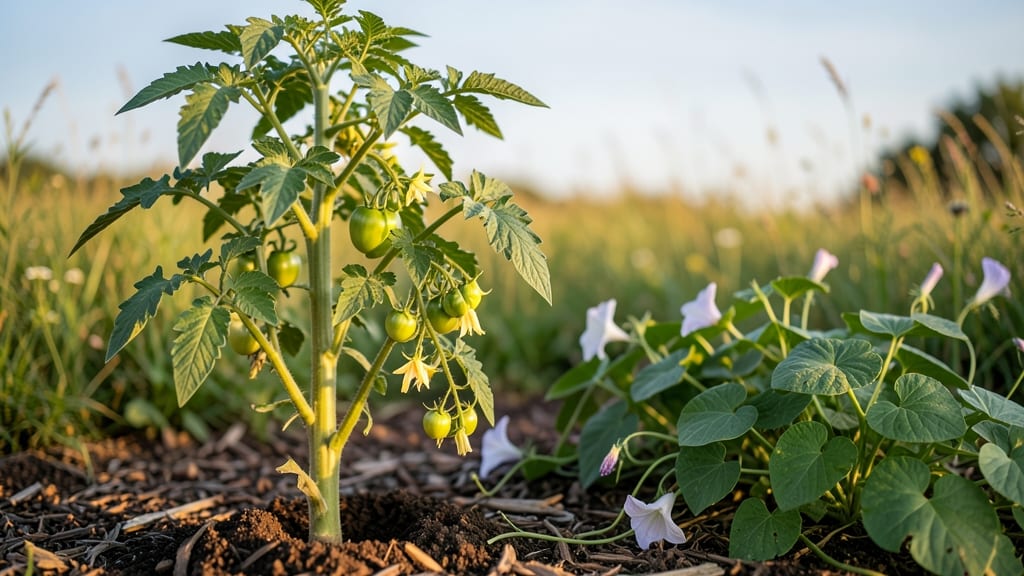
Growing sweet potato tomatoes could change how you think about harvests—especially if you live where winters linger. 🌱 These dual-purpose plants give you both edible tubers and delicious fruit, even when frost threatens. The key is starting indoors in early spring, then transplanting after your last frost date.
This isn't your average tomato plant. You'll be digging up sweet potatoes (yes, like the ones you bake) while still picking ripe fruit from the vines. The tubers need well-draining soil and consistent moisture, while the vines thrive in full sun and warm temperatures.
Most gardeners focus on one or the other, but the real magic happens when you grow both. By mid-summer, you'll have lush vines producing cherry-sized tomatoes and hidden tubers growing beneath the soil.
The flavor of these tomatoes is sweeter than store-bought, and the tubers store well for months—perfect for fall and winter meals. It's like having two gardens in one. Works best in zones 7-10, but with proper timing and protection, you can grow them in colder climates too.
Here's how to make it happen without the guesswork.
📚 In This Guide
- What you need
- Instructions
- Tips and common mistakes
- Wrapping up and next steps
What you need
- ● Tomato Sweet Potato Slips or Seeds: 3–5 slips (young plants) or 10–15 seeds per 10-foot row. Look for certified disease-free varieties like Beauregard or Georgia Jet.
- ● Sweet Potato Tubers: 2–3 medium-sized tubers per plant (for propagation). Choose firm, blemish-free tubers from a trusted nursery.
- ● Potting Mix or Garden Soil: For Containers: 1–2 gallons of well-draining potting mix (e.g., Miracle-Gro Moisture Control or a 50/50 blend of peat moss and perlite).
- ● For In-Ground Planting: Loamy soil amended with 2–3 inches of compost or aged manure. Aim for a pH of 5.8–6.5.
- ● Fertilizer: Starting Fertilizer: 1 cup of balanced 10-10-10 or 5-10-10 fertilizer per 10 sq ft of bed.
- ● Growth Booster: 1 tbsp of fish emulsion or compost tea every 4–6 weeks.
- ● Garden Tools: Trowel or hand shovel
- ● Pruners (for trimming tomato vines)
- ● Garden fork (for loosening soil)
- ○ Containers (Optional): 5–7 gallon pots with drainage holes (for small spaces or cold climates).
- ● Row Covers or Cold Frames: Frost cloth or mini greenhouses to extend the growing season in chilly zones.
- ● Mulch: Straw or black plastic mulch (to retain warmth and moisture).
- ● Watering Can or Hose with Nozzle: For gentle, deep watering.
- ● Sunlight: 6–8+ hours of full sun daily (tomatoes and sweet potatoes are sun-hungry!).
- ● Warmth: Soil temperature of 60–65°F (15–18°C) for planting (use a soil thermometer).
- ● Space: 18–24 inches apart for sweet potatoes (they spread!).
- ● 18–24 inches apart for tomato plants (or use cages for vertical growth).
- ● Patience: Sweet potatoes take 90–120 days to mature; tomatoes may need staking or pruning for support.
- ● Trellis or tomato cages (to save space and improve airflow).
- ● Organic pest control (neem oil or insecticidal soap for aphids).
- ● pH test kit (to monitor soil acidity).
- ● Grow lights (for indoor starts or extending winter growing).
How to grow tomato sweet potato plants for cold climates
Here's how to extend your harvest season with these dual-purpose plants—even when frost threatens.
🌱 Step 1: Start Seeds Indoors 10-12 Weeks Before Last Frost
Fill 3-inch deep seedling trays with sterile seed-starting mix and plant 2 seeds per cell at a depth of ¼ inch. Press gently but don't pack the soil—you want it loose enough for delicate roots to establish. I like to use a toothpick to make small holes first, then drop the seeds in one at a time. This prevents burying them too deeply, which delays germination.
Cover the tray with plastic wrap to retain warmth and moisture, then place it on a seedling heat mat set to 75-85°F. Keep the soil consistently moist but never soggy—you'll know it's right when the surface stays damp but doesn't glisten. Germination typically takes 7-14 days, though cooler rooms may extend this to 3 weeks. Watch for the first true leaves (the second set after the initial seed leaves) before transplanting.
☀️ Step 2: Provide 14-16 Hours of Light Daily
Once seedlings emerge, remove the plastic wrap and place them under grow lights immediately. A south-facing window won't cut it—these plants need intense light to prevent leggy growth. Position the lights 2-4 inches above the seedlings and keep them on a timer for 14-16 hours per day. Raise the lights as the plants grow to maintain that distance.
Leggy seedlings (thin stems with widely spaced leaves) mean your light is too far away. You'll also see pale yellow leaves if they're not getting enough intensity. Strong seedlings have thick stems, deep green leaves, and compact spacing between leaf nodes. Rotate the trays a quarter turn daily so they grow straight instead of leaning toward the light.
🪴 Step 3: Harden Off and Transplant After All Frost Risk
Two weeks before your last frost date, begin hardening off the seedlings by placing them outside in a sheltered spot for 1-2 hours the first day. Gradually increase their outdoor time by 1 hour daily over 10-14 days, moving them to sunnier locations each time. This prepares them for the cooler temperatures and wind they'll face in the garden.
Transplant after the soil has warmed to at least 60°F and all frost risk has passed. Choose a location with full sun (6+ hours daily) and well-draining soil. Dig holes twice as wide as the root ball but no deeper. Space plants 18-24 inches apart to allow for their sprawling vines. Water deeply right after planting to settle the soil and eliminate air pockets around the roots.
💧 Step 4: Water and Fertilize for Dual Harvests
Water tomato sweet potato plants at the base 1-2 inches deep every 2-3 days until the soil feels dry to the touch. These plants thrive with consistent moisture but hate soggy roots—always check the top 2 inches of soil before watering. Mulch with 2-3 inches of straw to retain moisture and regulate soil temperature, especially in cold climates.
Feed with a balanced fertilizer (10-10-10) every 4-6 weeks during the growing season. Look for deep green leaves and vigorous vine growth as signs the plants are thriving. If leaves yellow between the veins, it's a sign of magnesium deficiency—apply Epsom salt (1 tablespoon per gallon of water) as a foliar spray to correct it.
✂️ Step 5: Prune and Harvest for Extended Season
Prune suckers (the small shoots that form in the leaf axils) regularly to direct energy toward fruit production. Use clean pruning shears to snip suckers at their base when they're still small—this prevents them from draining the plant's resources. You'll also want to remove any yellow or diseased leaves immediately to keep the plant healthy.
Harvest tomato fruits when they're fully colored and slightly soft to the touch. For sweet potatoes, wait until the vines turn yellow and die back naturally—this usually happens 90-120 days after transplanting. Dig carefully with a fork to avoid damaging the tubers. In cold climates, use black plastic mulch or row covers to extend the growing season by 2-4 weeks in both spring and fall.
Tips & tricks for growing tomato sweet potatoes in cold climates
These practical hacks will help you maximize your harvest even when frost threatens your garden.
Seed Starting Strategy: In Step 1, use a small spray bottle to mist the soil after planting seeds—this prevents disturbing them while keeping moisture consistent. I've found that placing the seedling tray on a heating pad set to 75-85°F speeds up germination from the usual 7-14 days to just 5-7 days in cooler homes. Just be sure to keep the soil surface damp, not wet, to prevent mold.
Lighting Optimization: For Step 2, if you don't have grow lights, consider using a combination of a south-facing window and a small LED bulb (like a 10-watt LED) positioned 6 inches away for 4-6 hours daily. The plants will still grow, though they may be slightly leggier. Watch for pale yellow leaves—they're your signal to move plants closer to the light source immediately. I've seen plants grow straight and strong with this DIY setup.
Transplanting Timing: In Step 3, don't rush transplanting just because your frost date has passed. Wait until soil reaches at least 60°F at 4-inch depth—you can check this with a soil thermometer. I've learned this the hard way: transplanting into cold soil stresses plants and makes them more vulnerable to disease. Also, consider using black plastic mulch before transplanting to warm the soil faster.
Cold Climate Extension: For Step 5, extend your harvest season by using row covers or cold frames in early spring and late fall. I've successfully grown tomato sweet potatoes for 2-4 extra weeks in both directions by using these protective covers. Just remember to remove them on warm days to prevent overheating, and secure them tightly on windy days to protect your plants.
Pro Tips for Tomato Sweet Potato
- These practical hacks will help you maximize your harvest even when frost threatens your garden.
- Seed Starting Strategy: In Step 1, use a small spray bottle to mist the soil after planting seeds—this prevents distu...
- Lighting Optimization: For Step 2, if you don't have grow lights, consider using a combination of a south-facing wind...
Frequently asked questions
Can tomato sweet potatoes survive winter in cold climates?
Yes! These tubers are hardy and can tolerate light frosts (25°F/-4°C or higher). For extra protection, mulch heavily with straw or leaves, or grow them in containers to move indoors during extreme cold snaps. Pro tip: Harvest before the first hard freeze for the sweetest flavor!
How long does it take for tomato sweet potatoes to mature?
Expect 90–120 days from planting slips (cuttings) to harvest, depending on your climate. In cooler regions, extend the season with row covers or a greenhouse. Watch for: yellowing vines (sign it’s time to dig!) and firm, smooth-skinned tubers.
What’s the best way to store harvested tomato sweet potatoes?
Store them in a cool (55–60°F/13–16°C), dark, and humid place (like a root cellar or paper bag in the pantry). Avoid refrigeration—they’ll turn bitter! Bonus: Cure them for 5–7 days in warm (85°F/29°C) conditions to boost sweetness.
Can I grow tomato sweet potatoes from store-bought tubers?
Technically yes, but it’s tricky! Store-bought tubers are often treated to prevent sprouting. Instead, root slips from a friend’s harvest or buy certified slips online. Troubleshooting: If sprouts appear, plant them immediately—they’re fragile!
Are tomato sweet potatoes different from regular sweet potatoes?
Yes! Tomato sweet potatoes (also called orange-fleshed or Japanese sweet potatoes) have smoother skin, sweeter taste, and vibrant orange flesh. They’re less starchy than standard sweet potatoes and perfect for roasting or baking. Fun fact: They’re also rich in beta-carotene!
Why are my tomato sweet potato leaves turning yellow?
Yellowing leaves usually mean overwatering, nutrient deficiency (like nitrogen), or fungal issues. Check soil moisture (keep it consistently damp but not soggy) and amend with compost. Prevent pests: Rotate crops yearly and avoid wet foliage.
Wrapping up and next steps
Growing tomato sweet potatoes in cold climates isn’t just possible—it’s a rewarding way to enjoy fresh, homegrown harvests year-round! 🌱 With the right containers, soil prep, and care techniques, you can beat frost and extend your growing season like a pro.
Whether you’re a beginner or a seasoned gardener, these hacks make it easier than ever to cultivate sweet, nutrient-packed tubers and juicy tomatoes in your own backyard.
Ready to take the next step? Start small—pick one variety to experiment with this season, and don’t forget to share your progress with fellow gardeners! 🌟 Your future harvests (and dinner plates) will thank you.