
Vegetables
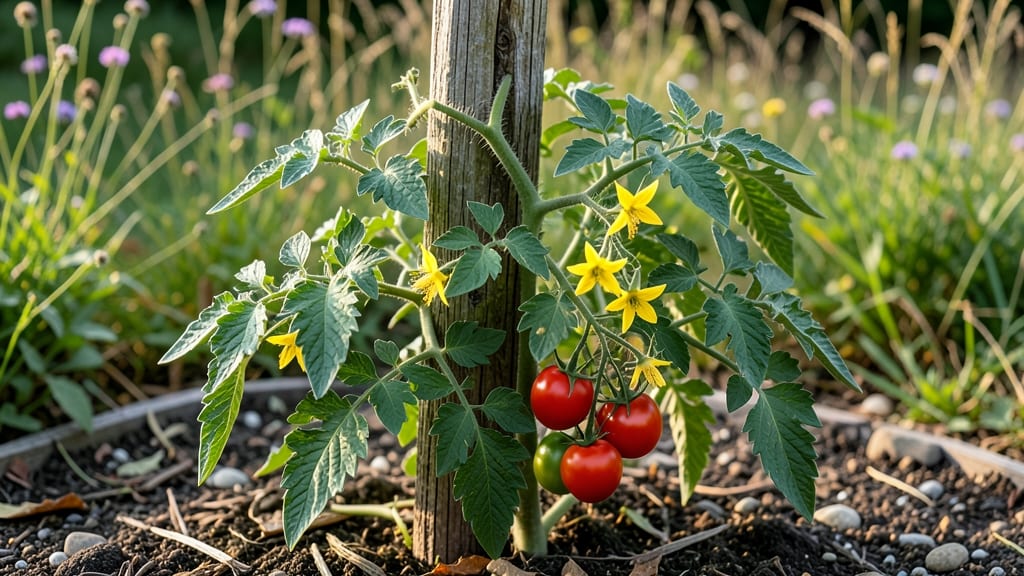
Growing Tommy Toes tomatoes feels like cheating—these cold-hardy plants keep producing sweet, cherry-sized tomatoes year after year with almost no effort. 🌱 I've grown them for three winters in my Zone 4 garden, and they've never failed me, even when other plants give up by October.
The secret lies in their unique ability to survive frost and bounce back stronger each season, making them the ultimate "plant and forget" tomato for cold climates.
These heirloom tomatoes thrive in part-sun conditions (they tolerate shade better than most varieties) and don’t demand rich soil—just a spot with 4-6 hours of sunlight and well-draining ground. Start seeds indoors 8-10 weeks before your last frost, then transplant seedlings after the soil warms to 50°F.
The real magic happens when you let them overwinter: mulch heavily in fall, and they’ll resprout in spring like weeds, ready to produce again.
What you’ll end up with is a near-perpetual harvest of 1-inch sweet tomatoes that burst with flavor—far superior to store-bought cherries. They’re also disease-resistant, meaning fewer pesticides and more time enjoying the garden.
The plants stay compact (about 2-3 feet tall), so they’re perfect for containers or small spaces too.
Whether you’re a beginner or a seasoned gardener, Tommy Toes make tomato growing foolproof in cold regions. No greenhouses, no fuss—just reliable, delicious tomatoes that keep coming back. Here’s exactly how to get started without overcomplicating it.
📚 In This Guide
- What you need
- Instructions
- Tips and common mistakes
- Wrapping up and next steps
What you need
- ● Tommy Toes Tomato Seeds or Plants: 1–3 plants (or seeds) per gardener—enough to experiment without overwhelming your space!
- ● Pro tip: Look for Solanum lycopersicum var. 'Tommy Toes' or cold-hardy heirloom varieties.
- ● Cold-Hardy Growing Containers or Raised Beds: 1–2 containers (12"–18" deep) or a raised bed (minimum 6" deep) with drainage holes.
- ○ Optional: Black plastic mulch or fabric to warm the soil in early spring.
- ● High-Quality Potting Mix: 1–2 bags (2–3 cubic feet) of organic, well-draining mix (avoid garden soil—it’s too dense!).
- ● Boost it: Mix in compost (1 part compost to 3 parts soil) for extra nutrients.
- ● Slow-Release Fertilizer: 1 cup of balanced organic fertilizer (e.g., 5-5-5 or tomato-specific blend).
- ● Hand Trowel – For planting and soil prep.
- ● Garden Gloves – Protect your hands from prickly stems!
- ● Watering Can or Hose with Gentle Nozzle – Overwatering is the enemy of perennials!
- ● Pruning Shears – To trim dead leaves and encourage bushier growth.
- ○ Thermometer (Optional) – Monitor soil temps (ideal: 60–70°F for germination).
- ○ Row Cover or Frost Blanket (Optional) – For late frosts (Tommy Toes tolerate cold but not extreme freezes).
- ● Sunlight: At least 6–8 hours of full sun daily (Tommy Toes thrive in warmth!).
- ● Zone Suitability: Best for Zones 3–9 (they’re tough little survivors!).
- ● Patience: Perennials take time—first harvest may be 60–90 days after planting.
- ● Overwintering Plan: Mulch heavily in fall to protect roots (they’ll come back stronger!).
Step-by-step instructions for reviving Tommy Toes tomatoes in cold climates
Here's my battle-tested method for coaxing those hardy tomato tubers back to life—even when winter lingers.
🌱 Step 1: Chill Tubers to Break Dormancy
Place your 4 tomato tubers in a paper bag with a handful of damp peat moss or sphagnum peat. Store them in the refrigerator's crisper drawer for 4-6 weeks. This cold treatment mimics winter conditions and triggers root formation before shoots emerge.
Check weekly for signs of sprouting—you'll see tiny white roots or green shoots peeking through the tuber's eyes. If you spot these, it's time to move to the next step. Real talk: I've left tubers in too long, and they rot. Watch for first root hairs or 1/4-inch shoots as your cue.
☀️ Step 2: Pot Up in Light, Well-Draining Mix
Fill 4-inch pots with a blend of 50% peat moss, 30% perlite, and 20% compost. Press the mix down lightly—it should feel like a damp sponge, not a muddy brick. Plant each tuber so the eyes (sprout points) face upward, burying it 1/2 inch deep.
Water gently until moisture seeps from the drainage holes. Place pots in a warm, bright spot (65-75°F) where they get indirect light. You'll see first true leaves within 2-3 weeks—that's your signal the roots are actively growing. Here's the thing: if the soil stays soggy, roots suffocate. Let the top inch dry between waterings.
🪴 Step 3: Harden Off and Transplant
Two weeks before your last frost date, move pots outside to a shaded, sheltered spot for 2-3 hours daily. Gradually increase exposure over 10 days
Choose a sunny spot with 6+ hours of direct light and dig holes twice as wide as the pots. Amend the soil with 1 cup compost per hole. Transplant after evening temperatures stay above 50°F. Water deeply at the base—you'll know it's right when the soil feels damp 6 inches down. Don't skip this: I've lost plants to sudden cold snaps after transplanting too early. Spread 2 inches of straw mulch around each plant, keeping it 2 inches away from stems. This conserves moisture and regulates soil temperature—critical for cold-climate tomatoes. Water at the base 1 inch per week, adjusting for rain. You'll see first flowers in 6-8 weeks if conditions are right. Prune suckers (the little shoots in leaf axils) regularly to focus energy on fruit production. Use your fingers or clean scissors—never tear growth. When plants reach 3 feet tall, add a cage or stakes to support weight. Here's where it gets fun: watch for tiny green tomatoes by late summer. They'll ripen faster in warm fall weather than store-bought varieties.💧 Step 4: Mulch and Maintain Through First Season
Tips & tricks for perfect Tommy Toes tomato revival
Reviving these hardy tubers takes patience and precision—here's how to avoid common pitfalls and maximize your success.
Dormancy Breakthrough: The 4-6 week cold treatment is non-negotiable, but timing matters. Place tubers in the fridge's crisper drawer where temperatures stay consistently around 40°F. I've found that tubers stored in warmer fridge areas (like the door) may not get cold enough and fail to break dormancy properly. Check weekly for those telltale root hairs or 1/4-inch shoots—this is your green light to move forward. Confession: I once kept tubers in too long, and they developed mold. When in doubt, err on the side of shorter cold storage.
Soil Science: That 50-30-20 peat moss/perlite/compost mix is designed to prevent root rot while providing nutrients. The key is the texture—it should crumble like a damp sponge, not clump like wet sand. I like to mix in a handful of worm castings (optional) for extra microbial activity that boosts early growth. When watering, aim for the base of the pot rather than overhead—this prevents fungal issues that can set back your young plants.
Transplant Timing: The 10-day hardening process is critical for survival after transplanting. Start with just 2-3 hours of shade on day one, then gradually increase exposure. I've had plants wilt dramatically when moved too quickly to full sun. Always check evening temperatures—if they dip below 50°F after transplanting, cover plants with frost cloth overnight until they've established stronger roots. The 6-inch deep watering check is non-negotiable; dry soil at that depth means roots aren't getting enough moisture.
Season-Long Care: That 1-inch weekly watering guideline assumes average rainfall. In my experience, cold-climate summers often bring inconsistent rain patterns. I recommend checking soil moisture every 3-4 days—stick your finger 2 inches down. If it's dry, water thoroughly. The straw mulch acts like a thermal blanket, keeping roots cool in summer heat and warm in cool evenings, which is especially valuable in unpredictable climates. When pruning suckers, focus on removing those growing below the first flower cluster—this directs energy to fruit production rather than leaf growth.
Pro Tips for Tommy Toes Tomatoes
- Reviving these hardy tubers takes patience and precision—here's how to avoid common pitfalls and maximize your success.
- Dormancy Breakthrough: The 4-6 week cold treatment is non-negotiable, but timing matters.
- Soil Science: That 50-30-20 peat moss/perlite/compost mix is designed to prevent root rot while providing nutrients.
Frequently asked questions
Got questions about growing tommy toes tomatoes—the cold-hardy, fuss-free perennials that keep coming back? Here’s what you need to know before digging in!
What exactly are "tommy toes" tomatoes, and how are they different from regular tomatoes?
Tommy toes are a perennial tomato variety bred to thrive in cold climates, surviving winter with minimal care. Unlike annual tomatoes, they regrow each year from the same roots, saving you time and seeds. They’re also determinate (bush-type) and often produce smaller, flavorful fruits—perfect for containers or small gardens!
Can I grow tommy toes tomatoes in Zone 3 or colder climates?
These tomatoes are specifically bred for cold hardiness, tolerating temperatures as low as -25°F (-32°C) with proper mulching. In Zones 3-5, they’ll overwinter and burst back to life in spring. Just protect them with straw mulch (12+ inches) and a cloche or row cover during extreme cold snaps.
How long does it take for tommy toes tomatoes to produce fruit after planting?
Expect 60-80 days from transplanting to first harvest—similar to annual tomatoes—but with a longer productive lifespan (3+ years!). Since they’re perennials, they’ll mature faster in subsequent years, often yielding earlier and more abundantly. Pro tip: Prune aggressively in Year 1 to encourage bushier growth!
What should I do if my tommy toes tomatoes don’t survive the first winter?
Don’t panic! First-year survival rates vary by climate and care. If they die back, check for rodent damage (bury wire cages around plants) or poor mulching. Try planting in containers (move indoors during freezes) or select a microclimate (south-facing, sheltered spot). Even if they fail, replant annually—they’ll often bounce back!
Are there alternatives to tommy toes if I want low-maintenance cold-climate tomatoes?
Yes! Consider these hardy tomato options:
- ‘Siberian’ tomatoes: Cold-tolerant annuals that thrive in Zones 2-4.
- ‘Evergreen’ tomatoes: Semi-perennial in mild winters (Zones 5+).
- Ground cherries (Physalis): Perennial in Zones 4-9, produce fruit in shade.
- Peppers (like ‘Arctic Flame’): Survive winter in containers.
For true perennials, tommy toes are your best bet—but experiment to find what works for your zone!
Wrapping up and next steps
Growing Tommy Toes tomatoes in cold climates isn’t just possible—it’s a rewarding adventure that turns your garden into a thriving, year-round oasis! 🌱 These perennials prove that resilience and flavor can go hand in hand, even when frost lingers.
Whether you’re a seasoned gardener or a curious beginner, your efforts will yield delicious, homegrown tomatoes with minimal fuss.
Now that you’re armed with tips and tricks, it’s time to roll up your sleeves and get planting! Start small—maybe just a few plants in containers or a cozy corner of your garden—and watch your confidence (and harvest) grow. Happy gardening, and may your tomatoes be plentiful! 🍅✨