
Flowers
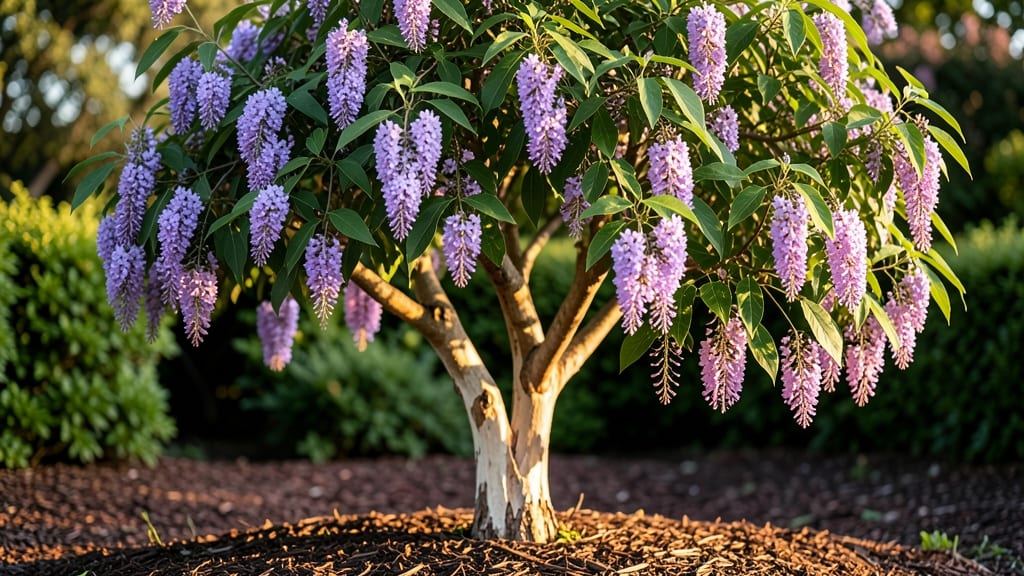
A tree with little purple flowers like the fragrant lilac 🌸 can turn your garden into a springtime haven, filling the air with sweet, intoxicating scents that last for weeks.
But here’s the thing: these showstopping blooms won’t just happen on their own. Without the right care—like proper pruning, sunlight placement, and soil prep—they can turn into a sad, sparse shrub that barely lives up to its potential.
Luckily, lilacs are forgiving once you know their secrets. With just a little attention to their needs—like full sun, well-draining soil, and the right timing for trimming—you’ll get those lush purple clusters year after year.
Below, I’ll walk you through everything from planting to pruning, so you can enjoy a lilac bush that’s as healthy as it is beautiful.
Identifying lilac trees: purple flowering varieties & key characteristics
If you're searching for a tree with little purple flowers that brings spring fragrance to your garden, lilacs are the perfect choice. These iconic shrubs—often mistaken for small trees—boast clusters of fragrant blooms in shades of purple, pink, and white.
But not all purple-flowering trees are lilacs! Let's explore how to identify true lilacs and distinguish them from look-alikes like wisteria and mock orange.
Lilacs belong to the Syringa genus, with over 20 species and hundreds of cultivars. Their panicle-shaped flower clusters (not grape-like clusters like wisteria) and opposite leaves are key identifiers. Most varieties bloom in late spring, with fragrances ranging from sweetly floral to spicy or even slightly medicinal.
Here’s how to spot a lilac at first glance: look for heart-shaped leaves, woody stems, and flower clusters that grow directly from the stems (not dangling like wisteria).
The bark is typically gray-brown and develops a rough texture as the plant matures. These features help differentiate lilacs from other purple-flowering shrubs.
| Variety | Flower Color | Bloom Time | Scent Profile | Mature Size |
|---|---|---|---|---|
| Common Lilac (Syringa vulgaris) | Purple | Late spring | Sweet, floral | 10-15 ft |
| Katherine Havemeyer (Syringa vulgaris) | Lavender-pink | Mid-spring | Strong, sweet | 10-12 ft |
| President Lincoln (Syringa vulgaris) | Deep purple | Late spring | Spicy, rich | 12-15 ft |
| Dwarf Korean Lilac (Syringa meyeri) | Light purple | Early spring | Mild, sweet | 6-8 ft |
| Miss Kim Lilac (Syringa pubescens subsp. patula) | Pale purple | Early spring | Subtle, fresh | 6-8 ft |
The Common Lilac (Syringa vulgaris) is the most widely recognized variety, with its vibrant purple blooms and intoxicating fragrance. It thrives in USDA zones 3-7 and reaches heights of 10-15 feet at maturity.
For smaller gardens, consider the Dwarf Korean Lilac or Miss Kim Lilac, both under 8 feet tall but equally fragrant.
One common mistake is confusing lilacs with wisteria, which has long, dangling clusters of flowers and a woody vine habit. Another look-alike is mock orange (Philadelphus), which has white or pale yellow flowers and a more delicate, jasmine-like scent.
Lilacs also differ from purple flowering cherry trees (Prunus serrulata), which have single, showy blooms rather than clustered panicles.
Lilacs typically bloom for 1-2 weeks in late spring, with some varieties like Katherine Havemeyer offering prolonged flowering. Their scent is most intense in the morning, making early walks through your garden especially rewarding.
If you're planting for fragrance, choose varieties like President Lincoln or Sensation Lilac, known for their strong, spicy aromas.
Another key characteristic is their growth habit. Lilacs grow in multi-stemmed shrubs or small trees, with opposite branching (leaves grow in pairs directly across from each other). This sets them apart from wisteria, which climbs and twines, or mock orange, which has a more rounded, bushy form.
Pay attention to these structural differences when identifying your tree with little purple flowers.
For gardeners in warmer climates (zones 8-9), consider late-blooming lilacs like Syringa oblata, which thrives in heat and humidity. These varieties often bloom later in the season, avoiding the late spring frosts that can damage early bloomers. Always check the USDA zone hardiness of your chosen variety
Lilac bush care guide: planting, pruning & year-round maintenance for healthy blooms
If you've chosen a tree with little purple flowers like lilacs for your garden, you're in for a treat with their intoxicating spring fragrance. But to keep those blooms coming back year after year, proper care is essential.
Lilacs thrive with the right balance of sunlight, soil, and seasonal maintenance—especially when it comes to pruning at the right time.
One common mistake I see is planting lilacs in shady spots or heavy clay soil, which can stunt their growth and reduce flowering. These bushes need well-draining soil and full sun exposure (at least 6 hours daily) to produce their signature purple clusters.
Let's break down the exact steps to ensure your lilac bush stays healthy and blooms abundantly.
- 🌱 Planting: Choose a location with 6+ hours of sun and well-draining soil. Dig a hole twice as wide as the root ball but no deeper.
- 💧 Watering: Water deeply once weekly (2 gallons per bush) during the first growing season. After establishment, reduce to every 10-14 days unless drought occurs.
- ✂️ Pruning: Prune right after flowering (late spring) to shape the bush. Remove 1/3 of oldest wood to encourage new growth and blooms.
- 🌿 Fertilizing: Apply a balanced 10-10-10 fertilizer in early spring (March) and again in early summer. Avoid fertilizing in fall or winter.
- 🌡️ Seasonal Care: Mulch around the base in spring and fall (2-3 inches deep) to retain moisture and regulate soil temperature.
When planting your lilac bush, I recommend spacing it 8-10 feet apart from other plants or structures. Lilacs have a mature height of 8-15 feet, so give them room to grow without competing for nutrients or sunlight.
The best time to plant is in early spring (March-April) or early fall (September-October), when temperatures are mild and the plant can establish roots before extreme weather.
Watering is another critical step—especially during the first year. Newly planted lilacs need consistent moisture to establish roots, but avoid waterlogging the soil. Once established, lilacs are moderately drought-tolerant but will reward you with more abundant blooms if you maintain regular watering during dry spells.
Always water in the morning to reduce fungal risks and allow foliage to dry quickly.
Pruning might seem intimidating, but it's the key to keeping your lilac bush healthy and flowering vigorously. The best time to prune is right after the blooms fade (late spring). This timing ensures you don't cut off next year's flower buds, which form on old wood.
Use clean, sharp pruners to make cuts at a 45-degree angle just above a bud or branch junction. Remove any dead, diseased, or crossing branches first, then shape the bush by thinning out older stems from the center.
For year-round maintenance, don't forget to mulch annually in spring and fall. A 2-3 inch layer of organic mulch (like shredded bark) helps retain moisture, suppress weeds, and protect roots from temperature fluctuations.
In late winter (just before new growth begins), you can also apply a light layer of compost to enrich the soil naturally. With these simple steps, your lilac bush will reward you with fragrant purple blooms for decades.