
Vegetables
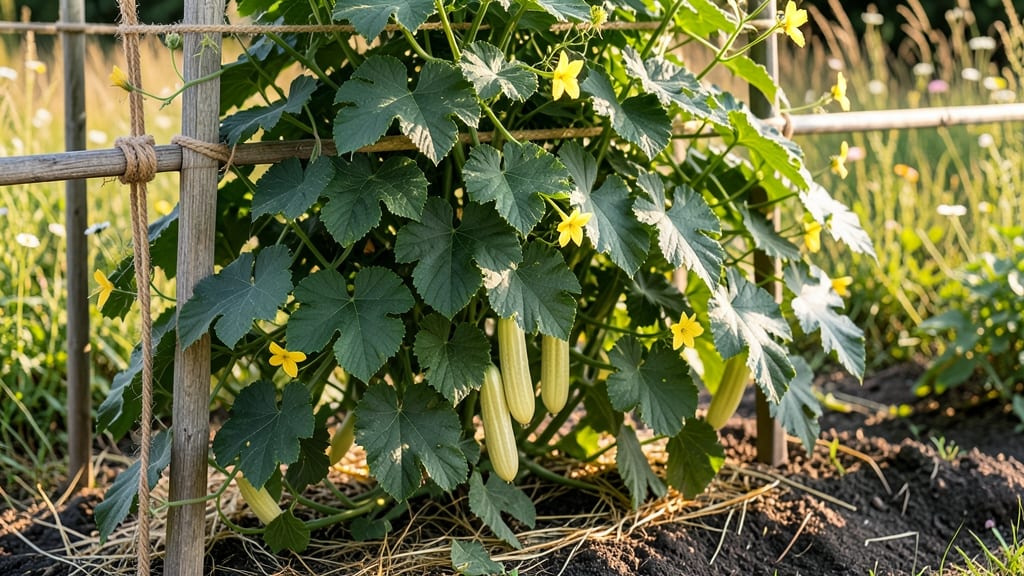
Growing true lemon cucumbers means zesty harvests even when frost threatens your garden. 🌱 These frost-tolerant varieties pack a bright, tangy flavor that regular cucumbers can't match, and they keep producing long after most plants have called it quits for the season.
I grew mine last winter in my Zone 5 garden, and the plants not only survived but thrived—yielding crisp, flavorful fruits well into December.
Start with well-draining soil rich in organic matter, and plant seeds about ½ inch deep, spacing them 2 feet apart in rows. Lemon cucumbers love full sun (at least 6-8 hours daily) but appreciate afternoon shade in hot climates—think of them as the Goldilocks of cucumbers.
A sturdy trellis keeps vines off the ground, improves air circulation, and makes harvesting easier. Water consistently at the base to avoid wetting leaves, which helps prevent powdery mildew, a common enemy of cucumbers.
Harvest begins about 60-70 days after planting, when fruits are 4-6 inches long and still firm. The earlier you pick, the more flavorful they stay—wait too long, and you'll end up with bitter, seedy cucumbers.
My favorite trick? Snipping in the morning when the fruits are coolest, which keeps them crisper longer. You'll know they're ready when they release that unmistakable citrusy aroma when you slice one open.
Pair these cucumbers with nasturtiums or radishes to deter pests naturally, and mulch heavily in fall to protect roots from light frosts. With the right care, you could enjoy homegrown lemon cucumbers for 4-5 months straight—imagine fresh pickles or salads year-round, no greenhouse required.
Let's get those seeds in the ground!
📚 In This Guide
- What you need
- Instructions
- Tips and common mistakes
- Wrapping up and next steps
What you need
- ● True Lemon Cucumber Seeds: 3–5 seeds per plant (or 1–2 seeds per container if using small pots). Opt for heirloom or organic seeds for best flavor!
- ● Growing Containers or Garden Bed: Containers: 5-gallon pots or larger (at least 12" deep) with drainage holes.
- ● Garden Bed: Well-draining soil with full sun (6+ hours/day). Space plants 12–18" apart.
- ● High-Quality Potting Mix: 1–2 bags (sterile, well-draining mix with compost or coconut coir). Avoid garden soil—it can compact and suffocate roots!
- ● Compost or Organic Fertilizer: 1–2 cups per plant (or slow-release granules mixed into soil). Look for balanced NPK (e.g., 5-5-5) or compost tea.
- ● Trellis or Cage: 4–6 ft tall (bamboo stakes or netting work too!). Lemon cucumbers thrive when vining vertically.
- ● Watering Can or Hose with Nozzle: For gentle, deep watering (avoid wetting leaves to prevent disease).
- ● Mulch: Straw or shredded leaves (1–2 inches thick) to retain moisture and regulate soil temp.
- ● Seedling Heat Mat: Speeds up germination if starting indoors in cool climates.
- ● Grow Lights: For indoor seedlings (12–16 hours of light/day).
- ● Epsom Salt: 1 tbsp per gallon of water (spray on leaves weekly for magnesium boost).
- ● Neem Oil or Copper Fungicide: Prevents powdery mildew (common in humid climates).
- ● Pruning Shears: For trimming excess vines or yellow leaves.
Step-by-step guide for growing true lemon cucumbers
Here’s how to cultivate these unique, frost-tolerant cucumbers for a fresh harvest year-round.
🌱 Step 1: Select the Right Variety and Planting Time
True lemon cucumbers thrive in cooler climates and can tolerate light frosts down to 25°F. Choose a variety like 'Lemon' or 'Sweet Success' for best results. Start seeds indoors 6-8 weeks before your last frost date or sow directly in the garden after soil reaches 60°F. I always plant mine in early spring or late summer for fall harvests.
These cucumbers grow best in full sun (6-8 hours daily) but handle partial shade better than most varieties. If your summers are scorching, provide afternoon shade to prevent fruit from becoming bitter. The key is consistency—lemon cucumbers dislike sudden temperature swings, so avoid planting during heatwaves.
🪴 Step 2: Prepare Soil and Plant Seeds
Amend your soil with 2-3 inches of compost and a balanced 10-10-10 fertilizer to ensure nutrient-rich growth. Lemon cucumbers prefer well-draining soil with a pH between 6.0-6.8. I like to work in a handful of perlite to improve aeration, especially in heavy clay soils.
Plant seeds ½ inch deep, spacing them 12 inches apart in rows 3 feet apart. If sowing directly, plant 2-3 seeds per hill for better germination success. Thin seedlings to the strongest plant per hill once they reach 4 inches tall. Water gently after planting to settle the soil around the seeds.
☀️ Step 3: Provide Support and Water Consistently
Lemon cucumbers are vining plants and need trellis support to climb. Install a 6-foot-tall trellis or fence near planting time and train vines as they grow. This improves air circulation, reducing disease risk, and makes harvesting easier. I use a simple wire trellis wrapped with twine for support.
Water deeply 2-3 times per week, aiming for 1 inch of water per week. Keep soil evenly moist but never soggy—lemon cucumbers are prone to rot if overwatered. Mulch around plants with 2-3 inches of straw to retain moisture and suppress weeds. You’ll know you’re on track when leaves stay vibrant green and vines grow steadily.
✂️ Step 4: Prune and Harvest for Maximum Yield
Prune vines regularly to encourage bushier growth and better airflow. Remove any yellow or diseased leaves immediately to prevent spread. I also pinch off early flowers if your goal is larger fruit—this redirects energy to the plant’s growth. Lemon cucumbers typically produce fruit in 50-60 days, but some varieties may take longer.
Harvest when cucumbers reach 4-6 inches long and develop a bright yellow color. Use pruning shears to cut stems cleanly, leaving a small portion attached to the vine. Harvesting frequently encourages more production. Store in the fridge for up to 5 days or use immediately in salads, pickles, or preserves.
⏰ Step 5: Extend the Season with Frost Protection
True lemon cucumbers are frost-tolerant, but young plants still need protection during early spring or late fall. Use row covers or cold frames to shield plants from temperatures below 30°F. I’ve grown them successfully through light frosts by covering plants at night and removing covers during the day.
In colder climates, consider growing lemon cucumbers in containers and moving them indoors during extreme cold snaps. With proper care, you can enjoy fresh harvests well into fall—or even overwinter them in a greenhouse for year-round production. The secret is patience and consistent care.
Tips & tricks for perfect true lemon cucumber growth
Here’s what I’ve learned after growing these frost-tolerant gems for years—the details that make all the difference.
Climate Consistency: True lemon cucumbers hate temperature swings more than most varieties. If your spring or fall weather fluctuates between 60°F and 25°F within days, consider using a cold frame for seedlings until they’re established. I’ve seen plants bolt prematurely when exposed to sudden cold snaps after warm spells—watch for that first sign of flower buds and protect them immediately.
Soil Prep Secret: That 10-10-10 fertilizer recommendation isn’t just about nutrients—it’s about establishing the right microbial balance in your soil. For heavy clay soils, mix in 1 part perlite to 3 parts compost before planting. This creates the perfect drainage while retaining moisture, which is critical since these cucumbers are prone to rot if their roots sit in soggy conditions. Think of it as building a moisture buffer system for their roots.
Support System Strategy: Don’t wait until vines are sprawling to install your 6-foot trellis. Set it up at planting time and gently weave the main stems through as they grow. This prevents the plant from developing a "leaning tower of vine" habit that’s hard to correct later. I’ve found that training vines early also encourages stronger stems that can better support the weight of those 4-6 inch cucumbers.
Harvest Timing: Those 50-60 days to maturity can feel like forever, but resist the urge to harvest too early. Lemon cucumbers develop their signature tang when fully ripened at 4-6 inches—smaller ones will be bland and seedy. I mark my calendar 55 days after planting as my first check point, but often wait until they’re closer to 6 inches for maximum flavor. The bright yellow color is your best indicator of readiness.
Pro Tips for True Lemon Cucumber
- Here’s what I’ve learned after growing these frost-tolerant gems for years—the details that make all the difference.
- Climate Consistency: True lemon cucumbers hate temperature swings more than most varieties.
- Soil Prep Secret: That 10-10-10 fertilizer recommendation isn’t just about nutrients—it’s about establishing the right microbial balance in your soil.
Frequently asked questions
about growing true lemon cucumber—your go-to spot for quick, practical answers!What’s the difference between true lemon cucumber and regular cucumbers?
True lemon cucumber (like ‘Lemon Cucumber’ or ‘Lemon Drop’) has a distinct bright yellow-green skin and a sweet, tangy lemon flavor, unlike the mild, crisp taste of standard cucumbers. They’re also smaller (3–6 inches long) and often used for snacking or pickling instead of slicing.
Can true lemon cucumbers survive light frost?
Yes! These frost-tolerant varieties (e.g., ‘Armenian’ or ‘Lemon Cucumber’) can handle light frosts down to 20–25°F if mature. Young plants, however, may need row covers or mulch for extra protection. Always monitor weather forecasts and act fast if frost is forecasted!
How long does it take for true lemon cucumbers to mature?
Most true lemon cucumber varieties mature in 50–65 days from seed. If starting from transplants, expect harvests in 4–6 weeks. Pick consistently to encourage more production—overripe cucumbers turn bitter and seedy!
What’s the best alternative if I can’t grow true lemon cucumbers?
Try these lemon-flavored or frost-hardy alternatives:
- ‘Bush Champion’ cucumber – Compact, disease-resistant, and slightly sweet.
- ‘Lemon’ melon (e.g., ‘Minnesota Midget’) – A true melon with a lemony taste (harvests in 60 days).
- ‘Siberian’ or ‘Armenian’ cucumbers – Cold-hardy and productive in cooler climates.
For pickling, ‘Boston Pickling’ cucumbers are a classic stand-in!
Why are my lemon cucumber leaves turning yellow?
Yellowing leaves (chlorosis) usually signal overwatering, nutrient deficiency (like nitrogen or iron), or pests. Check these fixes:
- Drainage: Ensure pots/containers have holes to prevent soggy roots.
- Soil test: Amend with compost or a balanced fertilizer (e.g., 10-10-10).
- Pests: Inspect for aphids or spider mites—spray with neem oil if needed.
- Sunlight: True lemon cucumbers need 6+ hours of sun daily—shade can stress plants.
If the issue persists, consider fungal disease (like powdery mildew) and treat with copper fungicide.
Wrapping up and next steps
Growing true lemon cucumbers is a rewarding journey that brings vibrant flavor and resilience to your garden—no matter the season! With the right frost-tolerant varieties and a little care, you’ll enjoy crisp, zesty harvests that outshine store-bought produce.
Whether you’re a seasoned gardener or just starting, your green thumb is ready for this bright adventure.
Now that you’re armed with tips and answers, take the next step! Start with a few seeds or seedlings, mark your calendar for planting, and watch your garden transform. Happy growing—and may your harvests be bountiful! 🌱✨