
Vegetables
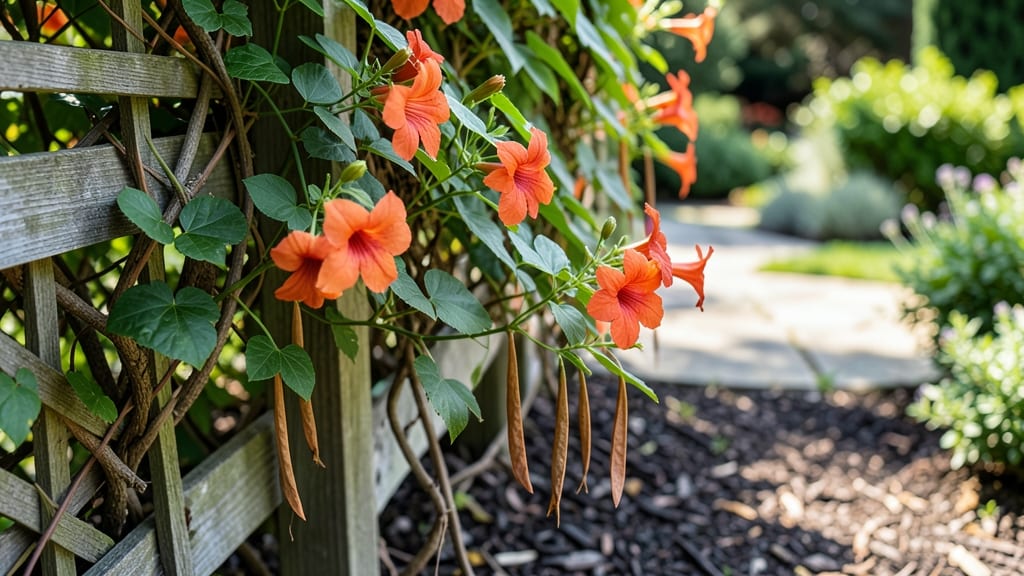
Growing trumpet creeper from those papery pods is how I revived my dying fence vine last spring—now it's a sun-drenched jungle of orange blooms. 🌿 The key? Knowing exactly when to harvest the pods, how to crack them open, and when to plant those tiny seeds before they lose viability.
Most gardeners toss the pods, but they hold the secret to cold-hardy vines that thrive where other climbers fail.
You'll need just three things: a pair of sharp scissors, a paper bag for drying, and a warm spot for seed starting. Harvest pods when they turn brown and papery—usually in late summer—then crack them open to reveal the flat, dark seeds inside.
These seeds stay viable for years if stored properly, giving you a nearly free source of new plants. The vines themselves are tough, handling zone 4 winters with ease once established.
By early spring, you'll see those first delicate leaves unfurl, followed by rapid growth that covers trellises or fences in weeks. The orange trumpet-shaped flowers arrive by midsummer, attracting hummingbirds and filling the air with a sweet, citrusy scent.
With proper care, your trumpet creeper will outperform store-bought plants and become the star of your landscape.
Works for both gardeners with sunny fences and those with trellises on patios—just give it something sturdy to climb. Here's how to make it happen without the guesswork."
📚 In This Guide
- What you need
- Instructions
- Tips and common mistakes
- Wrapping up and next steps
What you need
- ● Trumpet creeper seeds or pods: 5–10 mature, dried pods (or 20–30 seeds if starting from scratch). Ensure they’re fully brown and crispy for best germination.
- ● Well-draining potting mix: 2–3 gallons of a blend designed for vines or containers (e.g., 60% peat moss, 30% perlite, 10% compost). Pro tip: Add a handful of sand for extra drainage!
- ● Containers or garden bed: For containers: 5–7 gallon pots with drainage holes (1–2 plants per pot).
- ● For in-ground planting: A sunny spot with at least 6 feet of vertical space (trellis, fence, or arbor) and soil amended with compost.
- ● Watering can or hose with a gentle spray nozzle: For consistent moisture without over-saturating.
- ● Fertilizer: A balanced, slow-release fertilizer (10-10-10) or organic options like worm castings or compost tea.
- ○ Gloves (optional but recommended): Trumpet creeper can have thorny vines—protect your hands!
- ● Pruning shears: Sharp, clean pair for trimming dead vines or shaping the plant.
- ● Trellis or support structure: Sturdy metal, wood, or plastic trellis (at least 6–8 feet tall).
- ○ Spray bottle (optional): For misting seeds during germination.
- ● Weather check: Ensure your zone is 3–9 (trumpet creeper is cold-hardy!). If in doubt, start seeds indoors 8–10 weeks before the last frost.
- ● Mulch (straw or wood chips) to retain soil moisture and suppress weeds.
- ● Epsom salt (1 tbsp per gallon of water) for magnesium boosts during flowering.
- ● Pest control: Neem oil or insecticidal soap for aphids or spider mites.
- ● Grow lights (if starting indoors) for 12–14 hours of light daily.
Step-by-step instructions for growing trumpet creeper from seed pods
This cold-hardy vine thrives with minimal fuss—just follow these simple steps for vibrant growth.
🌱 Step 1: Collect and Prepare the Seed Pods
Harvest mature trumpet creeper pods in late summer or early fall when they’ve turned brown and papery. I like to pick them when they begin to split open naturally—this ensures the seeds inside are fully ripe. Place the pods in a paper bag and let them dry indoors for 1-2 weeks until completely crisp.
Once dry, gently crush the pods with your fingers or a mortar and pestle to release the tiny, flat seeds. Trumpet creeper seeds are incredibly light, so avoid using a fan or blowing them—they’ll scatter everywhere. I spread them on a clean sheet of paper and tap the pods lightly to release the seeds without losing them.
💧 Step 2: Stratify Seeds for Faster Germination
Trumpet creeper seeds need cold stratification to break dormancy, which mimics their natural winter cycle. Mix the seeds with a damp sand and peat moss blend (about 1 part seeds to 3 parts mix) in a sealed container. I use a small plastic bag with a zip-top and poke a few tiny holes for airflow.
Place the container in your refrigerator’s crisper drawer for 6-8 weeks, checking monthly to ensure the mix stays lightly moist. Don’t let it dry out—just add a few drops of water if needed. This cold treatment tricks the seeds into thinking winter has passed, so they’ll germinate faster once planted.
☀️ Step 4: Plant Outdoors in Well-Drained Soil
After stratification, sow the seeds directly in the garden in early spring when soil temperatures reach at least 60°F. Trumpet creeper thrives in full sun to partial shade, so choose a spot with 6+ hours of sunlight daily. The soil should be well-draining—amend heavy clay with compost or sand to prevent root rot.
Scatter the seeds on the soil surface and press them lightly into the top ¼ inch of soil. They don’t need deep planting—they’re tiny and delicate. Water gently with a spray bottle to keep the soil moist but not soggy. You’ll see sprouts in 2-4 weeks, but be patient if germination takes longer in cooler climates.
✂️ Step 3: Provide Support and Prune for Health
Once seedlings reach 4-6 inches tall, provide a trellis, fence, or arbor for climbing. Trumpet creeper vines grow aggressively—up to 30 feet in a season—so give them plenty of space. I tie the main stems loosely to the support with soft twine to avoid damaging the tender vines.
Prune in late winter to control size and encourage bushier growth. Cut back one-third of the previous year’s growth just above a leaf node. This step also removes dead or weak stems, redirecting energy to healthier vines. Avoid heavy pruning in early spring—you’ll sacrifice the vine’s stunning blooms that season.
Tips & tricks for growing trumpet creeper from seed pods
These simple strategies will help you avoid common pitfalls and maximize your trumpet creeper's success.
Pod Selection: Look for pods that are completely brown and papery—any green or soft spots mean they're not fully mature. I've learned the hard way that immature pods release seeds that won't germinate. If you can't find ripe pods in your area, check local garden centers or online seed suppliers for dried trumpet creeper pods. The key is that they should be completely dry and crisp to the touch.
Stratification Strategy: During those 6-8 weeks of cold treatment, I place my sealed bag inside a larger plastic bag with a damp paper towel to create a mini greenhouse effect. This helps maintain consistent moisture without opening the container. The tiny holes in the zip-top bag are crucial—they allow airflow while preventing the mix from drying out. Too much moisture can cause mold, while too little will prevent germination.
Planting Precision: When planting in Step 4, I use a fine mist spray bottle to water the seeds rather than a regular watering can. This prevents disturbing the delicate seeds and helps maintain even moisture. After planting, I cover the area with a light layer of straw mulch to retain moisture and protect the seeds from temperature fluctuations. This is especially important in cooler climates where soil temperatures might dip below that crucial 60°F threshold.
Support System: For the aggressive growth trumpet creeper is known for, I recommend installing your trellis or support structure at planting time. This gives the vines something to grab onto immediately rather than trying to retrofit support later. I use soft garden twine that's gentle on the tender young stems, and I make sure to leave plenty of space—those vines can reach up to 30 feet in a single season! The earlier you provide support, the less stress on the plant as it grows.
Pro Tips for Trumpet Creeper Pods
- These simple strategies will help you avoid common pitfalls and maximize your trumpet creeper's success.
- Pod Selection: Look for pods that are completely brown and papery—any green or soft spots mean they're not fully mature.
- Stratification Strategy: During those 6-8 weeks of cold treatment, I place my sealed bag inside a larger plastic bag with a damp paper towel to create a mini greenhouse effect.
Frequently asked questions
When is the best time to plant trumpet creeper seeds or pods?
For cold-hardy success, plant seeds in early spring (after the last frost) or late summer (6-8 weeks before your first frost). If using pods, harvest them in fall and sow fresh seeds immediately or store them in a cool, dry place for spring planting. Pro tip: Young plants thrive in well-draining soil—amend heavy clay with compost!
Why aren’t my trumpet creeper pods producing flowers or seeds?
Common culprits include poor pollination (hand-pollinate with a brush if bees are scarce), overcrowding (space vines 6–10 feet apart), or nutrient deficiencies. Feed with a balanced fertilizer in spring, and prune leggy growth to encourage bushier, flower-heavy vines. If pods form but drop early, check for aphids—spray with neem oil if needed.
Can trumpet creeper grow in containers, or does it need a trellis?
While trumpet creeper loves to climb (trellises, fences, or arbors), it can thrive in large containers (15+ gallons) with a sturdy support. Use a fast-draining potting mix and prune aggressively to control size. Warning: Without support, vines sprawl wildly—ideal for ground cover but messy in small spaces!
How do I harvest and save trumpet creeper pods for next year?
Harvest pods when they’re dry and papery (late fall). Open them to collect seeds, then store in an envelope labeled with the harvest date. For best viability, plant or refrigerate seeds within 6 months. Germination improves with a stratification trick: mix seeds with damp sand and refrigerate for 4–6 weeks before planting!
What’s a good alternative if trumpet creeper is too aggressive for my garden?
Try these equally stunning but lower-maintenance vines:
- Clematis: Cold-hardy, flower-packed, and trainable to trellises.
- Honeysuckle: Fragrant, pollinator-friendly, and less invasive.
- Passionflower: Unique foliage and edible fruits (if you’re adventurous!).
Wrapping up and next steps
Growing trumpet creeper pods is a rewarding way to add a splash of color and resilience to your garden—even in colder climates! 🌱 With the right soil, sunlight, and a little patience, you’ll enjoy vibrant blooms and edible pods that double as a stunning ornamental.
Whether you’re a seasoned gardener or just starting out, this cold-hardy vine is a fantastic addition to any outdoor space.
Now that you’re armed with the knowledge to cultivate trumpet creeper, why not take the next step? Start by marking a sunny spot in your yard, gather your supplies, and plant those seeds or cuttings this spring. Happy gardening—and may your vine thrive! 🌿✨