
Vegetables
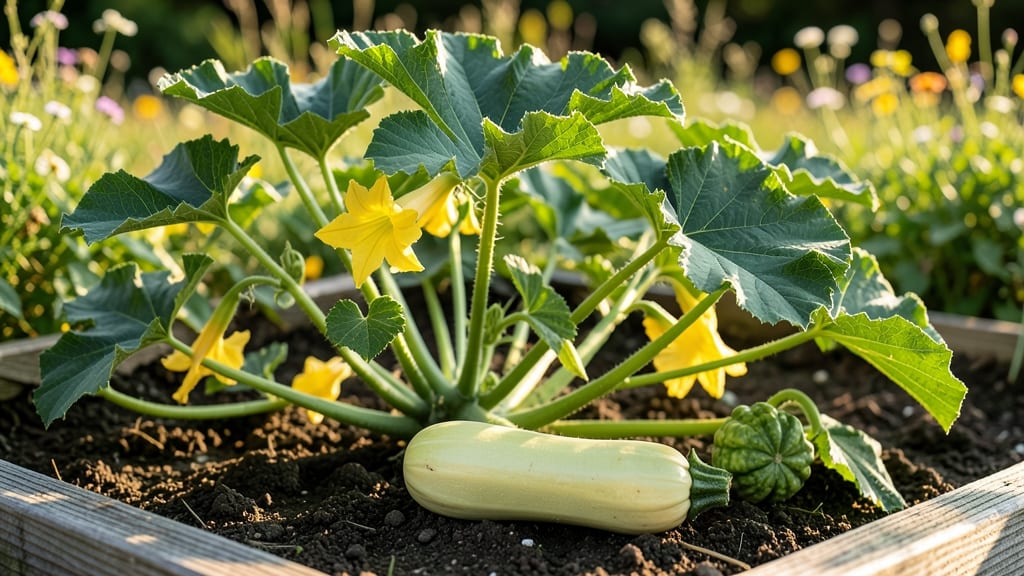
See these types of squash pictures—summer squash turn every garden into a bounty of possibilities, each with its own shape, color, and culinary magic. 🌱 I’ve grown more than a dozen varieties, and the right choice can mean the difference between a handful of zucchini and a summer-long harvest of delicate pattypans or crisp yellow straightnecks.
Variety matters because some squash thrive in heat, others resist pests, and a few even produce fruit while still tiny—perfect for container gardens.
Picking the right type starts with understanding their quirks: zucchini’s rapid growth (ready in 45 days), pattypan’s unique scalloped shape, or yellow crookneck’s sweet, nutty flavor.
Some, like the classic ‘Black Beauty’ zucchini, grow massive and need space, while others, like ‘Eight Ball’ zucchini, stay compact and produce prolifically in small plots. The key is matching your garden’s size, climate, and your cooking style—whether you prefer grilling, stuffing, or spiralizing.
By the end of this guide, you’ll recognize the squash in your garden at a glance—no more guessing whether that lumpy green is a zucchini or a pattypan.
You’ll also know which varieties hold up best in heat, which stay tender even when large, and which are best harvested small for peak flavor. Imagine plucking a bright yellow straightneck still warm from the vine or a cluster of scalloped pattypans ready to stuff with cheese and herbs.
Whether you’re a first-time gardener or a seasoned grower, these 12 varieties will transform your summer harvest. From the bold ridges of ‘Costata Romanesco’ to the delicate ‘Sunburst’ hybrid, each brings something special to the table—and the garden.
Let’s dive into the details so you can pick the perfect match for your space.
📚 In This Guide
- What you need
- Instructions
- Tips and common mistakes
- Wrapping up and next steps
What you need
- ● Summer Squash Seeds: 12–20 seeds (or 3–5 starter plants, depending on your garden size). Choose from varieties like Zucchini, Yellow Crookneck, or Patio Star.
- ● Garden Space: Full sun exposure (6–8 hours daily).
- ● Well-draining soil with a pH of 6.0–7.0.
- ● Space: 3–4 feet between plants (or rows 4–5 feet apart).
- ● Compost or Fertilizer: 1–2 cups of balanced organic fertilizer (e.g., 10-10-10) or compost per plant at planting time.
- ● Watering Can or Hose: With a gentle spray nozzle for consistent moisture.
- ● Mulch: Straw or shredded leaves (2–3 inches thick) to retain soil moisture.
- ● Garden Gloves & Hand Trowel: For planting and soil prep.
- ● Row Covers or Netting: To protect young plants from pests like squash bugs.
- ● Trellis or Cage: For vining varieties like Scallopini (saves space!).
- ● Plant Markers: To label varieties (e.g., wooden stakes or DIY tags).
- ● Organic Pest Control: Neem oil or insecticidal soap for pest management.
- ● Pruning Shears: For trimming excess foliage to improve airflow.
How to identify 12 summer squash varieties in your garden
Summer squash come in dazzling shapes, colors, and textures—here’s how to spot the most popular varieties at a glance.
🌱 Step 1: Learn the Classic Zucchini Family
Zucchini and its close cousins are the most common summer squash, recognizable by their dark green, ribbed skin and cylindrical shape. Look for straight necks (like 'Black Beauty') or bulbous ends (like 'Gold Rush'). The skin is tender enough to eat—no need to peel. These varieties thrive in warm soil (70-80°F) and produce prolifically when given full sun (6-8 hours daily).
Pay attention to the leaf shape—zucchini leaves are broad, lobed, and slightly hairy. If you see yellow blossoms followed by small, round fruits, it’s likely a patio or bush variety like 'Eight Ball' or 'Ronde de Nice'. These compact plants are perfect for small gardens and containers.
☀️ Step 2: Spot the Unique Colors and Textures
Beyond green, summer squash come in yellow ('Sunburst'), white ('White Bush'), and striped ('Tiger' or 'Banana') varieties. 'Sunburst' has golden-yellow skin with green stripes, while 'Tiger' features bold green-and-white stripes. Texture matters too—some, like 'Pattypan' (scallop squash), have flat, shield-shaped fruits with bumpy, scalloped edges and yellow or green skin. These are often sweeter and less seedy than zucchini.
If you see smooth, oval squash with a pale green or white skin, it’s likely a crookneck or straightneck variety like 'Early Prolific Straightneck'. These have a distinctive "crook" or curve near the stem end. The skin is thinner than zucchini, making it ideal for grilling or sautéing whole.
🌿 Step 3: Identify the Exotic and Heirloom Types
Heirloom varieties stand out with unusual shapes and colors. 'Cocozelle' has long, ribbed fruits with a slightly tapered end, often dark green with lighter stripes. 'Romanesco' squash is small, rounded, and bumpy, with a waxy, pale green skin—its flesh is dense and nutty, perfect for roasting. For something truly unique, look for 'Turkish Yellow', which has smooth, oval fruits with a golden-yellow hue and a delicate, sweet flavor.
If you spot small, round squash with a glossy, almost waxy skin, it’s likely a 'Scallopini' or 'Zucchini Verde'. These are early producers and stay tender and sweet even when larger. Their leaves are lighter green and less lobed than zucchini, and the fruits often have a slightly ribbed texture.
✂️ Step 4: Check the Growth Habit and Vines
Summer squash vines can be bush-type (compact) or vining (sprawling). Bush varieties like 'Bush Baby' or 'Eight Ball' stay under 2 feet tall and are ideal for containers or small spaces. Vining types, like 'Straight Eight' or 'Gold Rush', can spread 6-8 feet and need strong trellises or cages to support their weight. Look for long, trailing vines with broad leaves—these are classic vining squash.
If the plant has large, heart-shaped leaves with prominent veins, it’s likely a vining variety. These plants also produce longer, straighter fruits compared to bush types. Pay attention to flower structure too—male flowers (with long stems) appear first, followed by female flowers (with tiny fruits at the base). Female flowers are your clue that fruit production is underway.
🪴 Step 5: Harvest at the Right Time for Best Flavor
Summer squash should be harvested when small and tender—typically 6-8 inches long for zucchini or 3-5 inches in diameter for round varieties. Use a sharp knife or pruners to cut the stem, leaving a small portion attached to prevent rot. Overripe squash becomes seedy, tough, and bitter, so check plants every 2-3 days once they start producing.
Look for firm skin and vibrant color—no soft spots or yellowing. If the squash feels heavy for its size, it’s past its prime. Harvesting frequently encourages more production, so don’t wait until the plant is overwhelmed. Store squash in a cool, dry place (50-55°F) for up to a week, or enjoy them fresh for the best flavor and texture.
Tips & tricks for mastering summer squash identification
These game-changing details will help you spot summer squash varieties like a seasoned gardener.
Leaf Shape is Your First Clue: In Step 1, when examining zucchini varieties, pay special attention to leaf texture and structure. Zucchini leaves are typically broad with slightly hairy edges, but bush varieties like 'Eight Ball' have smoother, more rounded leaves. This subtle difference can help distinguish between patio types and their vining cousins.
Color Patterns Reveal Hidden Varieties: The unique color patterns mentioned in Step 2 are often the most reliable identifiers. For example, 'Tiger' squash has bold green-and-white stripes that are impossible to confuse with other varieties. Keep a color reference guide handy when shopping at farmers' markets—this will help you quickly identify less common types like 'Sunburst' with its golden-yellow skin.
Growth Habit Determines Plant Care: Understanding the growth patterns from Step 4 will directly impact how you care for your plants. Bush varieties like 'Bush Baby' thrive in containers and require minimal space, while vining types need strong trellises. I've seen gardeners accidentally crowd bush varieties with vining plants, leading to poor fruit production—don't make this common mistake!
Harvest Timing is Everything: The 2-3 day harvesting window mentioned in Step 5 is critical. I've learned the hard way that waiting even 24 hours past the ideal harvest time can turn tender squash into tough, seedy vegetables. Use a small notepad to track when you planted each variety—this helps you stay on top of the harvest schedule for each type.
Pro Tips for Types Of Squash Pictures Summer Squash
- These game-changing details will help you spot summer squash varieties like a seasoned gardener.
- Leaf Shape is Your First Clue: In Step 1, when examining zucchini varieties, pay special attention to leaf texture and structure.
- Color Patterns Reveal Hidden Varieties: The unique color patterns mentioned in Step 2 are often the most reliable identifiers.
Frequently asked questions
about summer squash varieties—because gardening always comes with a few curious moments!What’s the difference between zucchini and yellow squash?
Both are summer squash, but zucchini has dark green skin and a mild, slightly sweet flavor, while yellow squash (like Golden Zucchini) has bright yellow skin and a sweeter, nutty taste. They’re interchangeable in recipes!
How long does it take for summer squash to grow?
Summer squash is fast-growing! From seed to harvest, expect 45–60 days for most varieties (like zucchini or crookneck). Check seed packets for exact days—some bush varieties mature sooner than vining types.
Can I grow summer squash in containers?
Choose compact varieties like Eight Ball or Patio Star, and use a 5-gallon container with well-draining soil. Just ensure it gets 6–8 hours of sun daily and keep the soil consistently moist.
What’s the best way to store summer squash?
Store unwashed squash in a paper bag in the fridge for 3–5 days. For longer storage, freeze cooked or grilled squash (it holds flavor better than raw). Avoid washing until ready to use!
Why are my squash flowers falling off without producing fruit?
This is often due to pollination issues—hand-pollinate by gently brushing flowers with a paintbrush or wait for bees. Other culprits: too much nitrogen (focus on phosphorus/potassium), extreme heat (over 90°F), or pests (like squash vine borers).
Wrapping up and next steps
Now that you’ve explored the vibrant world of summer squash—from zucchini to pattypan—you’re ready to bring these versatile, nutrient-packed varieties into your garden! 🌱 Whether you’re a seasoned gardener or just starting, each type offers unique flavors and textures to elevate your dishes. Next up: grab those seeds, sketch your garden layout, and start growing your own homegrown bounty! 🌿✨
Pro tip: Document your progress with photos—you’ll love tracking the journey from seed to harvest!