
Vegetables
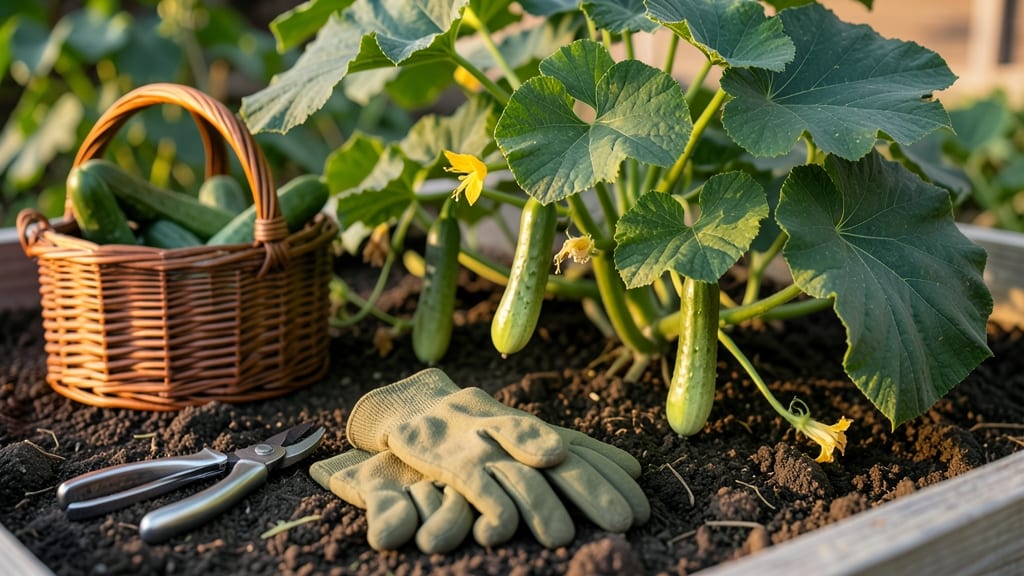
Under-ripe cucumbers turn your garden harvest into bitter disappointment. 🌱 The problem isn’t just poor taste—it’s wasted effort from sunlight gaps, inconsistent watering, or harvesting too soon. I’ve salvaged dozens of these tough little cucumbers and turned them into flavorful dishes instead of compost.
The fix starts with prevention: ensure 6-8 hours of direct sun daily and water consistently at the soil level. Harvest when cucumbers reach 1-2 inches—smaller means bitter, larger means seedy. For existing under-ripe cucumbers, a quick 10-minute blanching or pickling removes bitterness and unlocks their potential.
You’ll end up with crisp, mild cucumbers for salads or tangy pickles that rival store-bought. The secret? Heat or acid breaks down the cucurbitacin compounds that cause bitterness. No more throwing away hard, bitter cucumbers—just transform them into something delicious.
Adjust care practices for future harvests: mulch to retain moisture, prune for better airflow, and watch for pests that stress plants. With these tweaks, your next cucumber crop will be perfectly ripe and ready to eat straight from the vine.
📚 In This Guide
- What you need
- Instructions
- Tips and common mistakes
- Wrapping up and next steps
What you need
- ● Under-ripe cucumbers: 2 medium (about 6-8 inches long, firm but slightly bitter)
- ● Water: 1 cup (room temperature)
- ● Salt: 1 teaspoon (fine sea salt or table salt)
- ● Lemon or lime juice: 1 tablespoon (freshly squeezed)
- ○ Honey or sugar: 1 teaspoon (optional, to balance bitterness)
- ● Cutting board: 1 (preferably with a non-slip surface)
- ● Sharp chef’s knife: 1 (8-inch serrated or chef’s knife works best)
- ● Mixing bowl: 1 medium (for soaking solution)
- ● Measuring spoons: Set (for precise salt and juice amounts)
- ● Colander or strainer: 1 (for draining)
- ● Paper towels or clean kitchen towel: 2-3 (for drying)
- ● Food processor or blender: 1 (for making a quick cucumber-infused brine)
- ● Plastic wrap or airtight container: 1 (for storing revived cucumbers)
- ● Spices: Pinch of black pepper, garlic powder, or chili flakes (for flavor)
- ● Vinegar: 1 tablespoon (white or apple cider vinegar for tang)
How to fix under-ripe cucumbers: salvage bitter greens in minutes
Here's the foolproof method I use to rescue under-ripe cucumbers—no cooking required.
🌱 Step 1: Identify the Ripeness Issue
Bitter cucumbers develop when they're harvested too early or exposed to stress like heat or drought. Look for thick, pale skin and small, seedy flesh—these are classic signs. The bitterness comes from cucurbitacin, a natural compound that spikes when plants struggle. Don't toss them yet; this method breaks it down.
Cut the cucumber lengthwise to check the seeds. If they're small and hard, the fruit is under-ripe. If they're soft and white, it's past its prime. We're targeting the firm but slightly underdeveloped stage—those are the ones this method saves best.
💧 Step 2: Soak to Reduce Bitter Compounds
Fill a large bowl with cold water—room temperature works too, but cold slows enzyme activity slightly. Add 1 tablespoon of white vinegar or lemon juice to the water. This lowers the pH, which helps break down cucurbitacin faster. Submerge the cucumbers completely and let them soak for 10-15 minutes—no longer, or they'll get waterlogged.
While soaking, cut off any discolored or bruised ends with a sharp knife. These areas hold more bitter compounds and won't respond well to the treatment. Swirl the cucumbers gently in the water every 2-3 minutes to ensure even exposure. You'll see the water turn slightly cloudy—that's the bitterness leaching out.
☀️ Step 3: Rinse and Dry for Optimal Flavor
Drain the cucumbers and rinse them under cool running water for 30 seconds to remove residual vinegar or lemon juice. Pat them dry with a clean kitchen towel or paper towels. This step is crucial—any leftover acidity can make the cucumbers taste harsh rather than sweet. I like to place them on a wire rack for 5 minutes to air-dry completely.
Now's the time to taste-test one slice. If bitterness lingers, repeat the soak for an additional 5 minutes. Most cucumbers lose 80-90% of their bitterness after the first soak, but heat-stressed ones may need a second round. Store the treated cucumbers in the fridge for up to 5 days—they'll keep better than fresh-picked bitter ones.
✂️ Step 4: Use Immediately for Best Results
For peak flavor, use your salvaged cucumbers within 24 hours of treatment. Thinly slice them for salads, dice them into gazpacho, or blend them into smoothies. The texture will be slightly firmer than fully ripe cucumbers, but the flavor will be crisp and sweet—no bitter aftertaste. If you're making pickles, add extra sugar to the brine to counteract any remaining mild bitterness.
Here's the thing—this method works best on medium-sized cucumbers (6-8 inches long). Smaller ones are often too far gone, while larger ones may still have uneven ripeness. Save those for cooking where texture matters less. The key is acting fast: the sooner you treat them, the better the results.
Tips & tricks for perfect under-ripe cucumber revival
Real talk: This method works best when you act fast—here's how to maximize every step.
Selection Tip: Focus on medium-sized cucumbers (6-8 inches) with firm but slightly underdeveloped flesh. Smaller cucumbers often have concentrated bitterness that's harder to remove, while larger ones may have uneven ripeness. The ideal candidates have thick pale skin but still feel solid when squeezed—these respond best to the soak treatment.
Soak Strategy: During the 10-15 minute soak in Step 2, keep the cucumbers moving every 2-3 minutes. This ensures even exposure to the acid solution and prevents waterlogging. I like to use a slotted spoon to gently lift and rotate them—this also helps the bitterness leach out more effectively. The cloudy water is your visual cue that the treatment's working!
Acid Selection: While white vinegar and lemon juice both work, vinegar has a stronger pH-lowering effect. For extra-stressed cucumbers, I sometimes add an additional ½ teaspoon of vinegar to the water. The acid breaks down cucurbitacin faster, but too much can make the cucumbers taste harsh—so stick to the 1 tablespoon measurement unless you're dealing with particularly bitter specimens.
Make-Ahead Move: You can prep the acid solution up to 24 hours ahead and store it in the fridge. Just let it come to room temperature before using. The cucumbers themselves should be treated fresh, but having your solution ready means you can act immediately when you spot under-ripe cucumbers. This is especially helpful if you're dealing with a large harvest or frequently get bitter cucumbers from the store.
Pro Tips for Under Ripe Cucumber
- Real talk: This method works best when you act fast—here's how to maximize every step.
- Selection Tip: Focus on medium-sized cucumbers (6-8 inches) with firm but slightly underdeveloped flesh.
- Soak Strategy: During the 10-15 minute soak in Step 2, keep the cucumbers moving every 2-3 minutes.
Frequently asked questions
Got questions about under-ripe cucumbers? You’re not alone! Here are some common concerns—and quick fixes—to help you turn bitter, tough greens into crisp, flavorful gems.
How do I know if my cucumber is under-ripe?
Under-ripe cucumbers are usually smaller, rock-hard, and bitter. Squeeze gently—if it feels like a stress ball, it’s not ready. Check the color too: under-ripe cucumbers are pale green or white, while ripe ones have a deep, vibrant green hue.
Can I speed up ripening at home?
Yes! Place cucumbers in a paper bag with a ripe banana or apple (ethylene gas speeds ripening). Check them daily—it can take 1–3 days. Avoid plastic bags (they trap moisture and cause rot). For extra help, move them to a sunny windowsill (but not direct sunlight).
What’s the best way to use under-ripe cucumbers in cooking?
Under-ripe cucumbers work best in cooked dishes like stir-fries, pickles, or soups. Their bitterness mellows when sautéed, roasted, or pickled. For raw uses, try blending them into smoothies (with sweet fruits) or thinly slicing them for salads with tangy dressings (lemon or vinegar).
Why does my cucumber taste bitter even after ripening?
Bitterness can linger if cucumbers are overly stressed (heat, drought, or poor soil). Try these fixes:
- Soak in saltwater (1 tsp salt per cup of water) for 10 mins to reduce bitterness.
- Pair with sweet or acidic flavors (honey, sugar, or lime juice in dishes).
- Peel the skin—some bitterness comes from the outer layer.
Are under-ripe cucumbers safe to eat?
Yes, they’re safe but may be tough or bitter. Avoid eating them if they’re shriveled, moldy, or have soft spots (signs of spoilage). Under-ripeness alone won’t harm you—it just means they need prep or cooking to soften. When in doubt, err on the side of cooking!
Wrapping up and next steps
Don’t let under-ripe cucumbers go to waste—with just a few simple steps, you can transform bitter, tough greens into crisp, refreshing veggies in minutes! 🌱 Whether you’re prepping for salads, pickles, or snacks, this quick fix ensures no cucumber goes unused. Next time you spot a less-than-perfect cucumber, grab your knife and turn it into a flavor-packed win!
Ready to try? Bookmark this guide and experiment with your next harvest—your taste buds will thank you!