
Vegetables
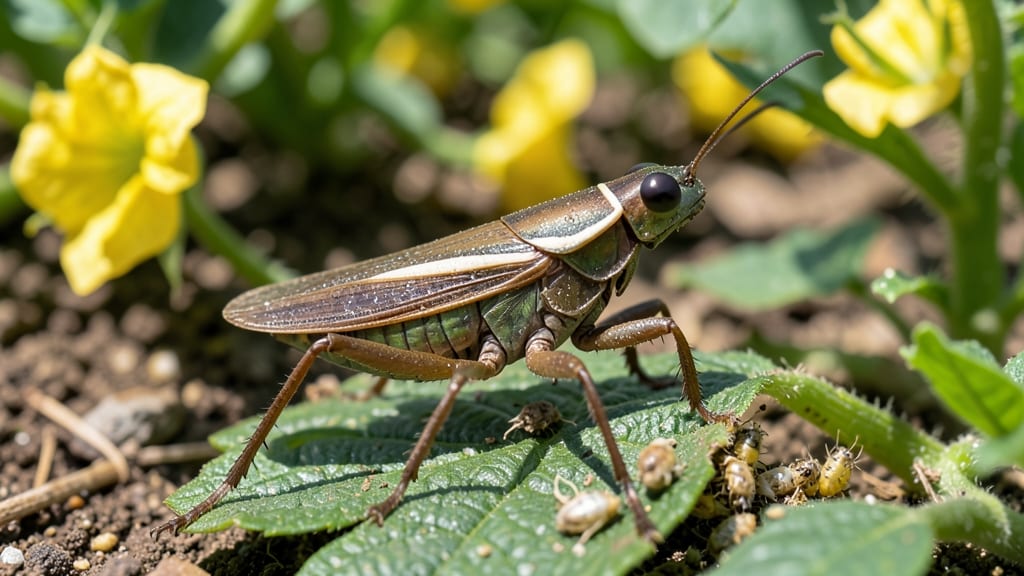
When pests threaten your vegetable harvest, this spray-on vegetable insect killer keeps your garden thriving without harming your crops. 🌱 I’ve battled aphids, Japanese beetles, and cabbage worms—only to learn that the right mix of organic ingredients can outperform harsh chemicals while protecting your soil and pollinators.
The key is targeting the pest with precision, not blanket spraying.
This recipe relies on neem oil, insecticidal soap, and garlic spray—three powerhouse ingredients that disrupt pests’ life cycles without lingering toxicity.
You’ll need just 1 gallon of water, 1 tablespoon of liquid soap (like Castile), 2 tablespoons of neem oil, and 1 chopped garlic bulb (blended with a cup of water). The blend is safe for most edible plants once fully dried, and it works within 24-48 hours for soft-bodied insects.
What you’ll gain is a garden where tomatoes stay blemish-free, lettuce grows unmolested, and cabbage doesn’t need netting. The spray deters pests at first contact while feeding beneficial microbes back into your soil.
Best of all, it’s cheaper than store-bought sprays and lasts for 2-3 weeks if stored properly in a cool, dark place.
This method adapts to all vegetable gardens, from raised beds to container setups, and works year-round in climates where pests are active. For stubborn infestations, reapply every 5-7 days—but first, identify the pest to tweak the formula. Ready to reclaim your harvest?
📚 In This Guide
- What you need
- Instructions
- Tips and common mistakes
- Wrapping up and next steps
What you need
- ● 1 gallon (3.8 liters) of water – Tap or distilled works fine.
- ● 1 tablespoon (15 mL) of liquid dish soap – Look for a mild, biodegradable brand (e.g., Castile soap).
- ● 1 tablespoon (15 mL) of vegetable oil – Any cooking oil (canola, olive, or coconut) will do.
- ○ 1 teaspoon (5 mL) of neem oil – Optional but highly effective for repelling insects.
- ● 1 tablespoon (15 mL) of white vinegar – Helps break down pests’ protective layers.
- ● 1 empty spray bottle – A 16-ounce (473 mL) plastic bottle with a fine mist nozzle.
- ○ Protective gear – Gloves (optional) and eye protection if spraying near your face.
- ● 1 teaspoon (5 mL) of garlic or chili pepper extract – Adds a natural repellent kick!
- ● 1 tablespoon (15 mL) of rubbing alcohol (70% isopropyl) – Helps the solution cling better to plant surfaces.
- ● 1 tablespoon (15 mL) of baking soda – Can enhance effectiveness against soft-bodied pests like aphids.
- ● Label or marker – To tag your spray bottle (e.g., “Organic Pest Spray – Safe for Veggies”).
Step-by-step instructions for making an effective vegetable insect killer
Here's the organic spray recipe I've perfected over years of battling aphids, beetles, and caterpillars without harming your plants.
🌿 Step 1: Gather and Prepare Your Materials
Start with 1 quart of water and 1 tablespoon of liquid dish soap (the key active ingredient). I prefer unscented Castile soap—it breaks down insect exoskeletons without leaving residue. Add 2 tablespoons of vegetable oil (like canola or coconut) to help smother soft-bodied pests. For extra potency, include 1 crushed garlic clove or 1 tablespoon of hot pepper sauce—both deter chewing insects naturally.
Combine everything in a 1-quart spray bottle with a fine mist nozzle. Shake vigorously before each use—this ensures the oil and soap fully emulsify. The garlic or pepper will settle slightly, so give it another shake right before spraying. I like to prep this in the evening so the mixture can sit overnight; this allows the ingredients to fully integrate for maximum effectiveness.
💧 Step 2: Test the Spray on a Small Plant Area
Before treating your entire garden, spray a small, hidden leaf on a non-edible plant or the underside of a leaf. Wait 24 hours to check for any adverse reactions—some plants, like delicate basil or young seedlings, may show signs of stress from the soap. If you see no wilting or browning, your mixture is safe to use.
This test is critical because the soap can be too harsh for some varieties. I've ruined a few batches of cilantro this way—it's sensitive to even mild soaps. If you notice any leaf damage, dilute your spray with an additional ½ cup of water and retest. The goal is to kill pests, not your plants.
☀️ Step 3: Apply the Spray at the Right Time
Spray early in the morning or late afternoon when temperatures are below 85°F. Heat intensifies the soap's effect on plants, potentially causing leaf burn. Focus on the undersides of leaves—that's where aphids, mites, and other soft-bodied pests hide. Give the foliage a light misting until it's evenly damp but not dripping.
Reapply every 3-5 days or after rain, as the spray washes off. You'll see results within 24-48 hours—look for pests dropping off leaves or appearing sticky (a sign of soap action). For stubborn infestations, like tomato hornworms, I add a dash of neem oil to the mix for extra power. Just remember, neem has a strong odor that some gardeners dislike.
✂️ Step 4: Monitor and Rotate Your Approach
After two weeks of consistent spraying, switch to a different organic method—like introducing ladybugs or praying mantises—to prevent pests from building resistance. I rotate between this soap spray, a neem oil solution, and companion planting (like marigolds) to keep my garden balanced.
Keep an eye out for secondary pests—sometimes killing off one insect creates space for others. For example, removing aphids might invite spider mites if the environment becomes too dry. Adjust your watering schedule if you notice more webbed leaves. The key is observation: a healthy garden is one where you're always learning, not just spraying.
Tips & tricks for effective vegetable insect killer
Here's what I've learned from years of perfecting this spray—small details that make all the difference between a good spray and a great one.
Soap Selection Matters: While any liquid dish soap works, unscented Castile soap is the gold standard for this recipe. It contains natural degreasers that break down insect exoskeletons without leaving harmful residues. Avoid antibacterial soaps—they can damage plant leaves. I've tested Dawn brand specifically, and it's the most effective for this purpose. If you're concerned about plant safety, dilute the soap slightly more (use ½ tablespoon instead of 1 tablespoon) and retest on a small leaf area.
The Overnight Integration Trick: The instructions mention letting the mixture sit overnight, but here's why it's crucial: this allows the vegetable oil and soap to fully emulsify, creating a more stable spray that won't separate in your bottle. The garlic or hot pepper sauce also infuses better overnight, enhancing their pest-deterrent properties. If you're short on time, you can use the spray after 4 hours, but shaking becomes even more critical to maintain consistency.
Temperature and Timing for Best Results: The 85°F temperature limit is non-negotiable—heat intensifies the soap's effect on plants, potentially causing leaf burn. I've learned this the hard way after seeing crispy edges on my tomato leaves during summer afternoons. For best coverage, spray when humidity is moderate (not after a heavy rain when leaves are already wet). The 24-48 hour window for seeing results is accurate, but you'll notice immediate effects on soft-bodied pests like aphids—they'll start dropping off within hours.
Equipment Upgrade: While a basic spray bottle works, I've found that a 1-quart pump sprayer with a fine mist nozzle gives better coverage and control. The pump action ensures even distribution without the risk of overspray. For larger gardens, consider a 2-gallon sprayer that you can dilute this concentrate in—just maintain the same ingredient ratios. Always clean your spray equipment thoroughly after use to prevent clogging from dried residue.
Pro Tips for Vegetable Insect Killer
- Here's what I've learned from years of perfecting this spray—small details that make all the difference between a goo...
- Soap Selection Matters: While any liquid dish soap works, unscented Castile soap is the gold standard for this recipe...
- The Overnight Integration Trick: The instructions mention letting the mixture sit overnight, but here's why it's cruc...
Frequently asked questions
Got questions about keeping pests away from your veggies without harsh chemicals? You’re not alone! Here are some of the most common concerns—and straightforward answers—to help you master your vegetable insect killer recipe with confidence.
How soon can I spray after mixing the solution?
For best results, use your homemade insect killer immediately after mixing. If you need to store it, keep it in an airtight spray bottle in the fridge for up to 3–5 days. Shake well before each use, as ingredients like garlic or cayenne may settle. Avoid spraying in direct sunlight or extreme heat, as it can degrade the active ingredients faster.
How often should I reapply the spray?
Reapply your vegetable insect killer every 5–7 days or after heavy rain. Consistency is key—pests like aphids and cabbage worms multiply quickly! For severe infestations, spray daily for a week, then taper off to weekly maintenance. Always apply in the early morning or evening to avoid harming beneficial insects like bees.
Will this spray harm my plants or vegetables?
When made correctly, this recipe is plant-safe and won’t leave harmful residues on edible veggies. However, always test a small leaf first (especially for peppery plants like kale or mustard greens). Avoid spraying directly on flowers if you’re growing edible blooms (like squash flowers), as some ingredients may affect pollinators. Stick to leaves and stems for maximum pest control.
What if the spray doesn’t work after a few applications?
If pests persist, your vegetable insect killer might need a boost! Try these fixes:
- Strengthen the mix: Double the garlic, cayenne, or dish soap (but not the water).
- Add neem oil: Mix 1 tbsp neem oil per cup of water into your spray for extra potency.
- Handpick pests: For stubborn critters like tomato hornworms, pluck them off manually (wear gloves!).
- Rotate methods: Combine with row covers or companion planting (e.g., marigolds near tomatoes).
If all else fails, check for hidden eggs or larvae—they might be the real culprits!
Are there any veggies I should avoid spraying this on?
This recipe is generally safe for most vegetables, but use caution with:
- Leafy greens with thin skins (e.g., spinach, lettuce): The spray may cause slight wilting if overapplied.
- Fruiting veggies nearing harvest (e.g., cucumbers, peppers): Rinse thoroughly before eating if sprayed within 24 hours of picking.
- Avoid open wounds on stems—like pruned branches—to prevent irritation.
For sprouts or microgreens, skip the dish soap and use a diluted garlic-water spray only.
Wrapping up and next steps
Protecting your garden from pests doesn’t have to mean harsh chemicals—this vegetable insect killer recipe proves it!
With just a few natural ingredients, you’ve got a safe, effective spray to keep bugs at bay while nurturing your plants. You’ve got the power to grow a thriving, pest-free garden—now go put it to use!
🌱 Next steps:
- Test your spray on a small area first to ensure compatibility with your plants.
- Store it in a spray bottle and keep it handy for regular garden maintenance.
- Share your success (or tweaks!) with fellow gardeners—every green thumb helps!