
Plants
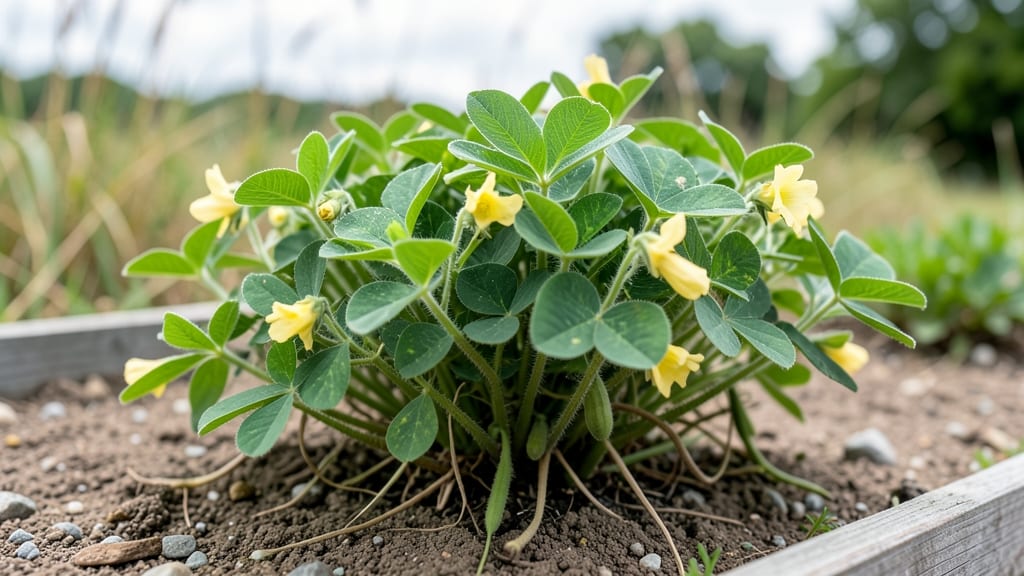
What do peanut plants look like? They start as delicate, fern-like vines with pinnate leaves—each leaf has 4-6 pairs of oval leaflets with serrated edges. 🌱 The real showstopper?
Their bright yellow, trumpet-shaped flowers that bloom at the base of the plant, unlike most flowers that appear at the top.
Those flowers are just the beginning—after pollination, the stems bend and grow underground, forming the distinctive peanut pods. This quirky growth habit (called geocarpy) makes peanuts unique among crops, and the plants keep spreading in a low, sprawling habit perfect for warm climates.
📚 In This Guide
- What you need
- Instructions
- Tips and common mistakes
- Wrapping up and next steps
What you need
- ● Peanut seeds: Choose raw, untreated seeds (not roasted or salted). Buy 5–10 seeds for a small garden patch.
- ● Well-draining soil: A mix of sandy loam (60% sand, 30% silt, 10% clay) or potting soil amended with compost (1 part compost to 3 parts soil).
- ● Sunlight access: A full-sun location (6–8+ hours of direct sunlight daily).
- ● Watering can or hose: With a gentle spray nozzle to avoid disturbing soil.
- ○ Garden gloves: Optional but helpful for handling soil and plants.
- ● Mulch: Straw or wood chips to retain moisture and suppress weeds.
- ● Trellis or stakes: For guiding vines if growing in containers (peanuts are not traditional climbers but appreciate support).
- ● pH test kit: Ideal soil pH for peanuts is 5.8–6.5; adjust with lime or sulfur if needed.
- ● Fertilizer: Low-nitrogen, phosphorus-rich fertilizer (e.g., 5-10-10) to encourage flowering.
- ● Pruning shears: For trimming excess foliage or dead leaves.
How to identify peanut plants at every growth stage
Here's how to spot peanut plants from first sprouts to harvest—no confusion with weeds or lookalikes.
🌱 Step 1: Recognize the First True Leaves
Peanut seedlings emerge with two small, rounded cotyledons (seed leaves) that look like tiny maple leaves. These aren't the real leaves you're waiting for—they're just the plant's first breath of energy from the seed. Pay attention instead when the first true leaves appear: they're compound, with 3-5 leaflets arranged like a fan, each about ½ inch long.
Here's the thing—you'll see these leaves appear 10-14 days after planting, but only if your soil stays consistently warm (70-85°F). If your soil runs cooler, germination slows dramatically. The leaves will be a vibrant green, slightly fuzzy on the underside, and arranged in a circular pattern around the stem. This is your confirmation the plant is healthy and ready for its next growth phase.
🌿 Step 2: Watch for the Signature Yellow Flowers
The moment you'll recognize peanut plants is when they bloom. About 6-8 weeks after planting, you'll see clusters of bright yellow, pea-like flowers forming at the base of the plant. Each flower is about ½ inch wide with five petals that curve slightly backward. These aren't your typical showy blooms—they're subtle but unmistakable once you know what to look for.
Here's what I do: I watch for the flowers to appear in the morning and fade by afternoon. That's normal behavior for peanuts. The flowers themselves don't last long, but they're crucial because they're where the magic happens—they develop into the peanut pegs that grow underground. If you see flowers but no pegs forming, your soil might be too dry or compacted.
🪴 Step 3: Identify the Distinctive Vine Structure
Peanut plants grow as low, spreading vines that can reach 12-18 inches tall but spread much wider—up to 3 feet across. The stems are hairy and square in cross-section, which helps distinguish them from other legumes. The leaves continue to grow in that compound formation, but now they'll be larger—each leaflet reaching 1-2 inches long—with a slightly serrated edge.
This is where it gets interesting: the vines start to root at the nodes where leaves meet the stem. You'll see small, fibrous roots growing downward from these points. That's how peanuts form their underground pods. Don't be alarmed if the vines look leggy—they're designed to sprawl, not stand upright like tomatoes. If you're growing in containers, you might need to train the vines to spread outward rather than climbing.
⏰ Step 4: Spot the Underground Pods Forming
About 3 months after planting, you'll start seeing the classic peanut "pegs"—thin, hairy stems that grow out from the leaf nodes and bend downward into the soil. These pegs are your first sign that the plant is preparing for harvest. They'll be about 1 inch long and look like tiny, fuzzy fingers reaching for the dirt.
Here's the trick: if you see pegs but no flowers, your plant might be stressed from inconsistent watering or poor soil. The pegs should appear after flowering, not before. Once the pegs form, they'll develop into pods that mature underground. You'll know they're ready when the vines turn yellow and start to die back—usually 4-5 months after planting, depending on your climate.
Tips & tricks for identifying peanut plants at every stage
Here's what nobody tells you about spotting peanut plants in your garden—these tricks will help you avoid confusing them with weeds or other legumes.
Leafy Clues: When those first true leaves appear (around 10-14 days after planting), focus on their fuzzy undersides and compound structure. The 3-5 leaflets arranged like a fan are your best friend—this pattern is unique to peanuts. I've seen gardeners mistake them for clover at this stage, but the fuzzy texture gives them away.
Flowering Timeline: The 6-8 week window for yellow flowers is critical—don't assume every yellow bloom is a peanut plant! Look for clusters forming at the base of the plant, not just random blooms. I once thought I had peanuts until I realized the flowers were on a nearby clover patch. The backward-curving petals are the giveaway.
Vine Behavior: Those sprawling vines reaching 3 feet wide might look messy, but that's exactly how peanuts grow. The key is the square stems and the way they root at leaf nodes—this is how they form their underground pods. If your vines are climbing like beans, it's not a peanut plant.
Pegging Secrets: When you spot those 1-inch fuzzy pegs at 3 months, you're seeing the plant's way of telling you it's ready to harvest. The pegs should appear after flowering, not before—that's your first red flag if something's wrong. I've seen stressed plants produce pegs without flowers, usually because of inconsistent watering.
Pro Tips for What Do Peanut Plants Look Like
- Here's what nobody tells you about spotting peanut plants in your garden—these tricks will help you avoid confusing t...
- Leafy Clues: When those first true leaves appear (around 10-14 days after planting), focus on their fuzzy undersides ...
- Flowering Timeline: The 6-8 week window for yellow flowers is critical—don't assume every yellow bloom is a peanut pl...
Frequently asked questions
Got questions about peanut plants?
You’re not alone! Here are some of the most common queries—plus quick, practical answers to help you identify, grow, or troubleshoot these unique plants.
What do peanut plant leaves look like?
Peanut leaves are compound, meaning they grow in clusters of three to four leaflets. Each leaflet is oval-shaped, dark green, and slightly fuzzy with a smooth edge. Think of them as miniature maple leaves but softer. If you’re comparing them to clover, peanut leaves are larger and less rounded.
How long does it take for peanut plants to flower?
Peanut plants typically flower in 60–70 days after planting, depending on the variety and growing conditions. You’ll spot their yellow, trumpet-shaped blooms (called "peanuts" before the pods form!) in late summer. Pro tip: If flowers don’t appear within 3 months, check for pests, poor soil, or insufficient sunlight.
Can you grow peanuts indoors?
Peanuts are tropical plants that thrive outdoors in warm climates (USDA zones 9–11). However, you can try growing them indoors in large containers with full sunlight (6+ hours/day) and warm temperatures (70–85°F). Expect slower growth and smaller yields. For best results, start seeds early and transplant outdoors once soil warms.
Why are my peanut plant leaves turning yellow?
Yellowing leaves (chlorosis) usually signal nutrient deficiencies, overwatering, or pests. Check for:
- Nitrogen deficiency: Light green/yellow leaves? Use a balanced fertilizer.
- Fungal issues: Brown spots or wilting? Reduce watering and improve airflow.
- Spider mites: Tiny webs on undersides? Spray with neem oil or insecticidal soap.
Do peanut plants look different before and after harvesting?
Yes! After flowering, the plant’s yellow blooms drop and form pegs (thin stems) that grow into the soil. These pegs develop into pods (the peanuts we eat). By harvest time (120–150 days), the leaves turn brown, and the plant may look "dead"—but the pods are hidden underground! Dig carefully to avoid damage.
Wrapping up and next steps
Now that you’ve got the scoop on peanut plants—from their delicate yellow flowers to their hairy vines and underground pods—you’re ready to spot (or grow!) one of nature’s most fascinating crops! 🌱 Whether you’re a gardener, plant enthusiast, or just curious, recognizing these unique features makes identifying peanut plants a breeze.
Ready to take the next step? Try growing your own peanuts—start with healthy seeds, give them plenty of sun, and watch those aerial flowers transform into tasty treats underground! Happy planting! 🌟