
Blooming
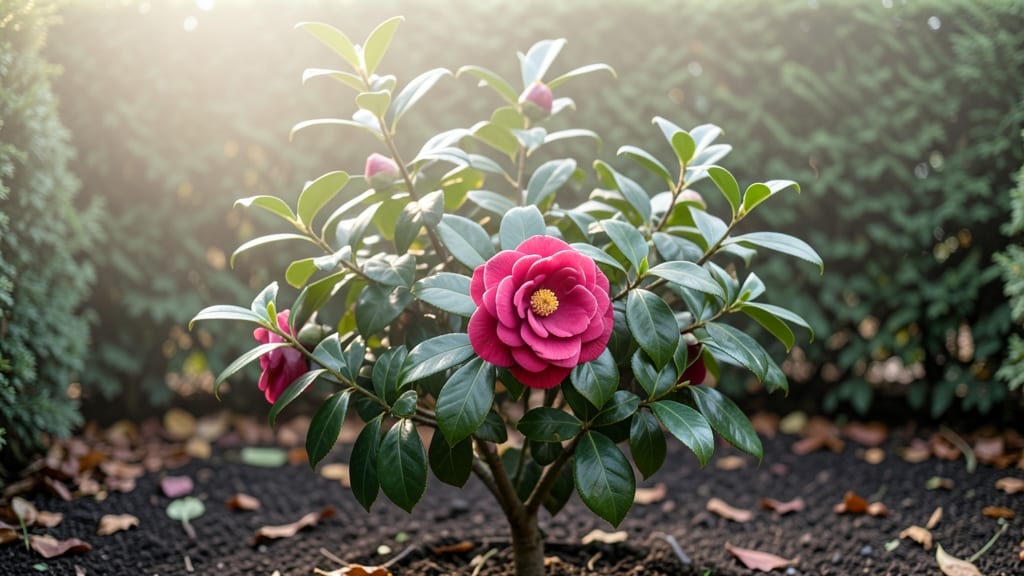
Winter-blooming flowers in Florida bring vibrant color to your garden when most places are still gray and chilly.
Imagine stepping outside in January to find your yard bursting with camellias, jasmine, and other hardy blooms that thrive in Florida’s mild winters. These flowers don’t just survive the cooler months—they flourish, turning your landscape into a year-round paradise.
Whether you’re a seasoned gardener or just starting out, knowing which flowers bloom in winter can transform your outdoor space. From drought-resistant natives to classic favorites, these plants offer beauty without the fuss of constant care.
Below, I’ll share the top winter-blooming flowers for Florida, their care needs, and simple tricks to keep them blooming longer. Let’s dive in!
Top 10 cold-hardy winter-blooming flowers for Florida gardens
Florida’s winter months (December-February) offer the perfect opportunity to enjoy vibrant blooms without the heat of summer. With temperatures ranging from 30°F to 70°F, these cold-hardy flowers thrive in your garden while many other plants take a break.
Whether you're a seasoned gardener or just starting, these drought-resistant varieties are ideal for Florida’s sandy soil and humid climate.
From native beauties to popular non-natives, these flowers bring color, fragrance, and life to your landscape. Many also attract pollinators like bees and butterflies, supporting Florida’s ecosystem. Let’s explore the top 10 winter-blooming flowers that will keep your garden stunning all season long.
| # | Flower Name | Bloom Season | Sunlight Needs | Water Needs | Care Tips |
|---|---|---|---|---|---|
| 1 | Camellia | Dec-Feb | Partial shade | Moderate | Prune after blooming; mulch to retain moisture |
| 2 | Jasmine (Winter) | Jan-Mar | Full sun to partial shade | Low | Train vines; drought-tolerant once established |
| 3 | Firebush | Nov-Mar | Full sun | Moderate | Native pollinator magnet; prune lightly after blooming |
| 4 | Pansy | Dec-Feb | Full sun to partial shade | Moderate | Deadhead spent blooms; great for containers |
| 5 | Sweet Alyssum | Dec-Mar | Full sun | Low | Self-seeds easily; drought-resistant |
| 6 | Cape Honeysuckle | Dec-Apr | Full sun | Moderate | Fast-growing; attracts hummingbirds |
| 7 | Lantana | Year-round (peaks winter) | Full sun | Low | Drought-proof; trim to encourage bushiness |
| 8 | Salvia | Dec-Feb | Full sun | Low | Cut back after blooming; deer-resistant |
| 9 | Bougainvillea | Year-round (best in cooler months) | Full sun | Low | Prune to shape; thrives in heat and cold |
| 10 | Winter Aconite | Jan-Feb | Full sun to partial shade | Low | Toxic to pets; great for rock gardens |
Each of these winter-blooming flowers offers unique benefits for your Florida garden.
For example, camellias and jasmine provide fragrant blooms perfect for adding scent to your landscape, while firebush and cape honeysuckle attract pollinators and wildlife. Drought-resistant varieties like lantana and salvia require minimal watering, making them ideal for Florida’s sandy soil.
When selecting plants, consider your garden’s sunlight exposure. Most of these flowers thrive in full sun, but some, like camellias, prefer partial shade. If your yard has areas with limited sunlight, opt for pansies or winter aconite, which adapt well to cooler, shadier spots.
Always check the USDA hardiness zones for your specific Florida location to ensure the best results.
To keep your winter garden thriving, focus on proper mulching and moderate watering. A 2-3 inch layer of mulch helps retain moisture and protect roots from temperature fluctuations.
Water deeply but infrequently—most of these plants prefer dry conditions once established. Avoid overwatering, which can lead to root rot, especially in Florida’s humid climate.
Pruning plays a key role in encouraging reblooming. For example, firebush and bougainvillea benefit from light pruning after their initial bloom to promote new growth. Meanwhile, pansies and sweet alyssum self-seed easily, so you can let them go to seed for next year’s natural regrowth.
Always use clean, sharp pruners to avoid spreading disease.
For added color contrast, pair these winter bloomers with evergreens like boxwood or holly. These combinations create stunning visual interest while keeping your garden lush year-round. Don’t forget to add seasonal mulch, such as pine straw, to enhance the aesthetic and protect your plants from occasional frost.
If you’re looking to extend the blooming season even further, consider adding annuals like snapdragons or calendula in late winter. These plants fill gaps and provide additional pops of color as the weather warms.
With the right mix of perennials and annuals, your Florida garden can stay vibrant from December through March.
Finally,
How to extend winter bloom time with smart gardening techniques
Florida’s winter blooms can last longer than you think with the right care. Cold-hardy flowers like camellias and jasmine thrive when given proper attention during cooler months. The key lies in preparing your garden before winter arrives and maintaining it through occasional frost warnings.
Start with soil preparation—amend your garden beds with organic compost to improve drainage and nutrient retention. Florida’s sandy soil benefits from well-rotted compost or aged manure, which helps roots access moisture and nutrients even when temperatures dip below 50°F.
Mulching is another game-changer for winter blooms. Apply a 3-inch layer of mulch around your plants using pine straw or shredded bark. This insulates roots, protects against occasional frost, and retains soil moisture during dry winter spells.
- 🌱 Prune strategically: Trim back dead or overgrown stems in early winter to encourage new growth. Avoid heavy pruning after November to protect emerging buds.
- 💧 Water wisely: Reduce watering frequency but keep soil slightly moist. Early morning watering prevents fungal diseases and ensures roots stay hydrated without evaporation.
- ☀️ Maximize sunlight: Position sun-loving bloomers like bougainvillea in south-facing areas to capture winter sun. Use reflective surfaces like light-colored mulch to boost light exposure.
- 🌿 Companion plant: Pair winter bloomers with ground covers like sweet potato vine to retain soil moisture and suppress weeds. This reduces stress on your flowers during dry spells.
- ✂️ Deadhead regularly: Remove spent blooms to redirect energy into new flower production. This encourages reblooming in varieties like winter jasmine and pansies.
Adjust your watering schedule to match Florida’s winter patterns. While rain may be less frequent, overwatering can drown roots in heavy clay soils. Aim for deep, infrequent watering—about 1 inch per week—to encourage deep root growth and drought resistance.
For reblooming varieties, consider a light fertilizer application in early winter. Use a balanced, slow-release fertilizer (like 10-10-10) to provide nutrients without promoting rapid growth. Avoid high-nitrogen fertilizers, which can lead to leafy growth at the expense of flowers.
Finally, monitor frost forecasts and protect tender bloomers with frost cloth or row covers. Even Florida’s mild winters can drop below 32°F in rare instances, so safeguarding your garden ensures longer bloom seasons year after year.