
Flowers
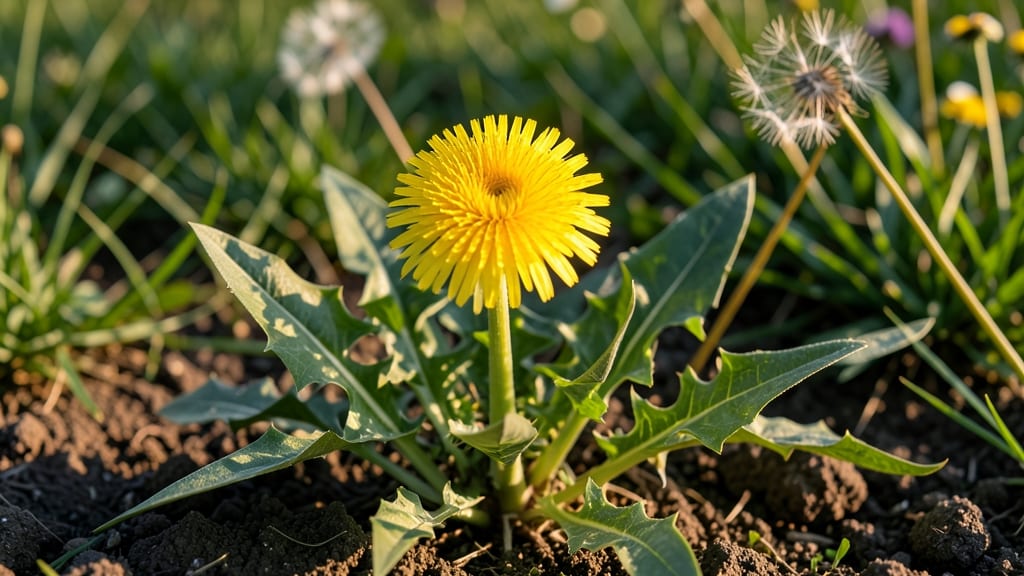
Dandelions flower when the days lengthen and soil warms — typically between March and April in most of the U.S., but as early as February in warmer climates.
Those cheerful yellow puffballs aren't weeds—they're nature's first spring heralds. But when exactly do dandelions flower in your area? The answer depends on your climate zone, and knowing it can transform your garden's timing for pollinators and natural beauty.
In USDA Zone 6, where many gardeners live, dandelions usually burst into bloom by late March or early April, just as the last frost threatens. Warmer southern zones see flowers as early as February, while northern regions may wait until May.
Sunlight and temperature are the key triggers—dandelions need at least 6 hours of direct sun and soil temperatures above 50°F to push up those bright yellow blooms. Understanding these factors helps you time mowing, harvesting, or even encouraging them for early pollinators.
Dandelion flowering timeline by USDA climate zones: exact months to expect blooms
Dandelions are perennial powerhouses that bloom with stunning precision based on your USDA climate zone. In warmer southern regions, you'll spot those bright yellow blooms as early as February, while northern gardeners may wait until May or later.
This timing isn't random—it's triggered by soil temperatures and daylight hours, creating a beautiful natural calendar.
The key to predicting dandelion blooms lies in understanding your last frost date and average spring temperatures. Most dandelions need soil temps above 40°F (4°C) to trigger flowering, which happens about 2-4 weeks after consistent warm spells.
In colder zones, they often wait until afternoon temperatures reliably stay above 50°F (10°C).
Here's the exact month-by-month breakdown you need to know, organized by USDA zones:
In USDA zones 3-4, dandelions often wait until late May because they need to avoid early frosts. These northern bloomers typically produce their second flush in September as days shorten. Meanwhile, gardeners in zones 9-10 might see dandelions flowering as early as February, especially in sheltered microclimates.
The secondary bloom window in late summer/fall occurs when dandelions detect shorter daylight hours. This is why you'll often see them blooming again in September-October across most zones, creating a prolonged pollinator feast for bees and butterflies. In warmer climates, this second bloom can extend into November.
For gardeners trying to control dandelion spread, timing is everything. The best window to pull weeds before they flower is 2-3 weeks before your zone's primary bloom window.
In zone 5, that means pulling in late March, while in zone 9, you'd target January for early bloomers.
Interestingly, dandelions in urban heat islands often bloom 2-3 weeks earlier than rural areas in the same zone. The asphalt and concrete retain heat, creating microclimates that trigger flowering sooner. This urban advantage can be 10-14 days in cities like Chicago (zone 5) or Phoenix (zone 9).
If you're growing dandelions intentionally for pollinators, plant seeds in late summer (August-September) to ensure early spring blooms. The plants will establish roots before winter and flower as soon as temperatures warm. This strategy gives you a head start on supporting bees when other flowers are still dormant.
Remember that dandelions are opportunistic bloomers—they'll flower whenever conditions are right, even if that means unexpected late-season blooms after a warm spell in December or January in mild climates. Their resilience makes them nature's most adaptable pollinator plants.
How climate affects dandelion flowering: early vs. late bloomers explained
Dandelions are nature's climate-sensitive barometers—thriving when conditions align. In southern climates like Florida or Texas, they often burst into bloom as early as February or March, while in northern regions like Minnesota or Maine, they wait until April or May.
This dramatic shift isn't random; it's tied to frost dates, soil warmth, and daylight hours.
The key difference lies in last frost dates. Dandelions need consistent temperatures above 40°F to break dormancy. In Zone 8-10, mild winters mean they wake up earlier, while Zone 3-5 plants wait for spring warmth. Even a single hard frost can delay blooms by weeks in colder zones.
| Climate Factor | Southern Climates (Zones 8-10) | Northern Climates (Zones 3-5) |
|---|---|---|
| Average Last Frost | January-February | April-May |
| Soil Temperature Trigger | 50°F+ (Feb) | 55°F+ (Apr) |
| Daylight Hours Needed | 10+ hours (Feb) | 12+ hours (May) |
| Typical Bloom Window | February-March | April-May |
| Frost Sensitivity | Low (rare frosts) | High (late frosts common) |
Daylight hours also play a crucial role. Dandelions are short-day plants, meaning they respond to increasing light. In southern latitudes, days lengthen rapidly in winter, triggering early blooms. Meanwhile, northern plants wait for the spring equinox when daylight exceeds 12 hours daily.
This explains why dandelions in Zone 6 (like Chicago) often bloom 2-3 weeks later than those in Zone 9 (like San Diego).
Soil temperature matters just as much as air temperature. Dandelion roots need consistent warmth to activate growth. In southern gardens, soil often reaches 50°F+ by February, while northern soils may linger below 45°F until April.
Use a soil thermometer to track—dandelions won't bloom until roots hit their ideal 55°F threshold.
Even within the same zone, microclimates create variations. Urban areas with heat islands may see dandelions bloom 1-2 weeks earlier than rural spots. Similarly, south-facing slopes warm faster than shaded yards.
If you're in Zone 7 but notice early blooms, check your local frost records—they might be shifting due to climate change.
Understanding these patterns helps gardeners time pollinator support or natural weed control. Early bloomers in the South provide critical food for bees in February, while northern blooms align with spring pollinator emergence. Whether you're embracing dandelions or managing them, climate knowledge turns guesswork into strategy. 🌼