
Flowers
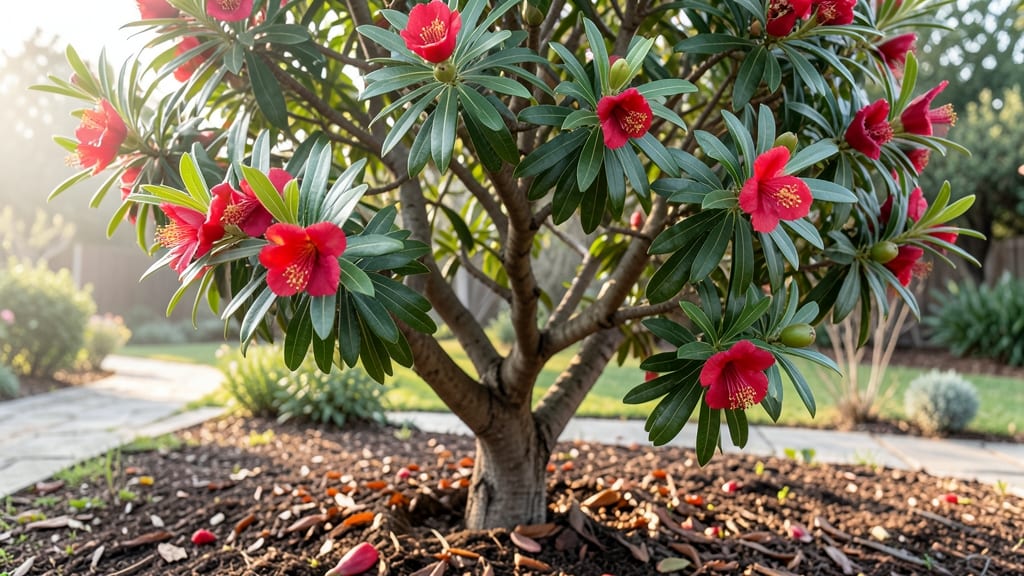
Pomegranates flower in late spring to early summer 🍇, a window that shifts dramatically depending on your climate zone—and missing it can mean waiting years for fruit.
Picture this: your pomegranate tree stands tall and healthy, but instead of vibrant red blooms, it’s just leaves. That’s happened to more gardeners than you’d think, and it’s usually because the timing was off.
Understanding when your tree flowers isn’t just about admiring the flowers—it’s the key to a bountiful harvest.
In cooler zones like 6a, blooms typically appear in May, while warmer regions like Florida or Southern California see them as early as March. Even a few weeks’ difference can mean the difference between fruit set and disappointment.
Here’s how to pinpoint the best time for your zone and what you can do to encourage those show-stopping flowers.
You’ll learn how temperature, pruning, and even sunlight play a role in bloom timing—and why some varieties flower earlier than others. With the right approach, you can turn your pomegranate into a flowering powerhouse year after year.
Pomegranate flowering timeline by USDA climate Zones
Pomegranate trees (Punica granatum) produce their iconic crimson flowers in late spring to early summer, but exact timing varies dramatically by USDA climate zone. In Zone 7, blooms appear as early as April, while Zone 11 gardeners may see flowers year-round with proper care.
Understanding your zone’s temperature triggers helps you anticipate bloom windows and plan for fruit production.
Most pomegranates need consistent warmth (above 50°F/10°C) to break dormancy and initiate flowering. Cold snaps in Zones 7-8 can delay blooms by 2-4 weeks, while Zones 9-11 experience more predictable, extended flowering seasons.
Regional microclimates—like coastal California vs. inland Florida—also shift bloom timing by 30 days or more.
Here’s a zone-by-zone breakdown of when to expect those stunning red bell-shaped flowers, along with key dormancy triggers and regional variations that affect your pomegranate’s bloom schedule.
In Zone 7, pomegranates often bloom in late April to early June, with 'Eversweet' varieties flowering slightly later than standard types. Frost risks after May 15 can damage new blooms, so protect young trees with frost cloth if late frosts are forecasted. Zone 8 gardeners see blooms from mid-April to mid-June, but coastal areas like Southern California may experience year-round flowering due to mild winters.
Warmer zones (9-11) offer more flexibility. Zone 9 trees bloom from February to July, with peaks in April–May, while Zone 10 and Zone 11 pomegranates can flower continuously if conditions are ideal. Humidity in Florida extends bloom seasons, while desert climates like Arizona trigger early February blooms.
Temperature thresholds are critical: pomegranates need consistent warmth (above 50°F/10°C) to break dormancy.
How to extend pomegranate blooming seasons in different climates
Pomegranates thrive with strategic care that varies by climate. In Zone 7, cold snaps can delay blooms until late May, while Zone 10-11 gardeners may see flowers year-round.
The key? Adjusting your approach to match your region’s temperature extremes and water availability. Let’s break down proven methods to maximize those show-stopping red blooms.
For cold climates (Zone 7), focus on late-winter pruning to stimulate early growth. In moderate zones (8-9), balance watering schedules to avoid stress-induced dormancy.
Meanwhile, hot climates (10-11) benefit from shade cloth during peak summer heat to prevent flower drop. Each strategy extends the blooming window by weeks—sometimes months!
Extending Bloom Seasons: Climate-Specific Strategies
- ✅ Late-winter pruning (Feb-Mar)
- ✅ Frost cloth for buds
- ✅ Dwarf varieties ('Eversweet')
Best for: Delayed spring blooms
- ✅ Deep watering (2x/week)
- ✅ Light summer pruning
- ✅ 'Wonderful' variety
Best for: Extended summer blooms
- ✅ 30% shade cloth
- ✅ Mulch heavily
- ✅ Early-morning watering
Best for: Year-round blooms
In Zone 7, I’ve found that pruning in late winter (February-March) triggers earlier blooms. Cut back 1/3 of last year’s growth to redirect energy to new buds.
For frost protection, wrap flowering branches with burlap when night temps drop below 28°F. Dwarf varieties like 'Eversweet' also handle cold better than standard types.
Gardeners in Zones 8-9 should prioritize consistent irrigation. Deep watering twice weekly prevents stress-induced dormancy. I recommend drip irrigation to keep roots moist without wetting foliage. For extended blooms, choose 'Wonderful'—it flowers 2-3 weeks earlier than other varieties and produces fruit faster.
Hot climates (Zones 10-11) demand heat management. Use 30% shade cloth during June-August to prevent flower drop. Mulch with wood chips to retain moisture, and water early morning to avoid evaporation. These adjustments can extend blooming into fall, even in desert regions.
Pro tip: Fertilize lightly in early spring with 10-10-10 to encourage blooms. Avoid high-nitrogen feeds—they promote leaves over flowers. For Zone 7 gardeners, a second pruning in early summer can stimulate a late-season bloom if temps stay mild.
With these climate-specific tweaks, you’ll transform your pomegranate tree into a year-round bloomer. The secret? Matching your care routine to your local microclimate. Happy gardening! 🌷