
Blooming
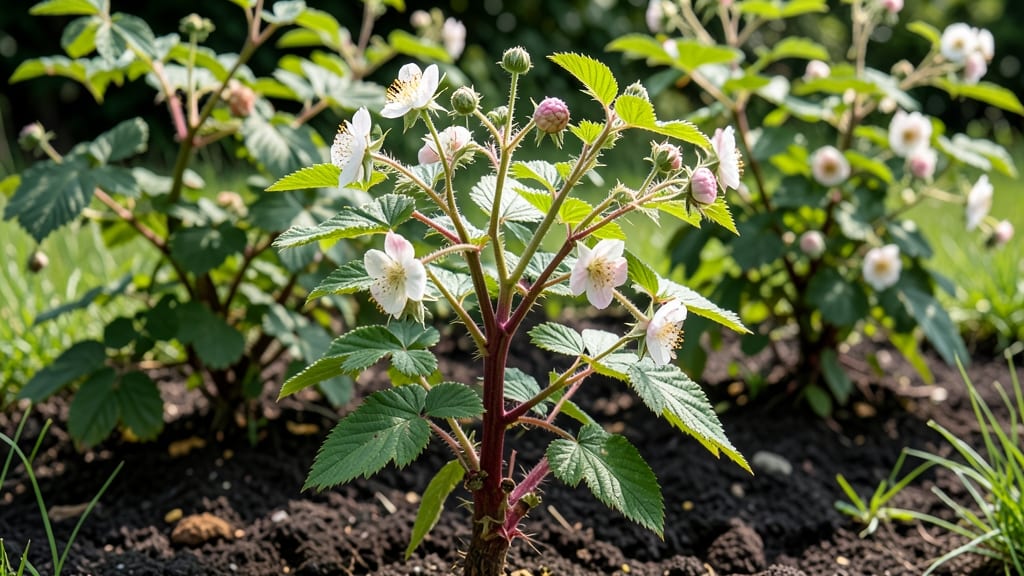
Raspberries flower when days grow longer and warm up—typically between late April and early June in most climates, but timing shifts wildly depending on your variety and zone.
Picture this: you’ve spent months nurturing your 🍇 bushes, only to wonder why some varieties burst into bloom while others linger. The answer lies in whether you’re growing summer-bearing (one harvest) or fall-bearing (two harvests) types—and how your local frost dates play into the equation.
Climate makes all the difference. In warmer zones like 8-10, raspberries might flower as early as March, while colder areas in zones 4-6 could see blooms delayed until June.
Even a single late frost can wipe out weeks of progress, which is why knowing your exact window is the key to avoiding empty canes.
Below, I’ll break down the precise flowering schedules by variety, how to spot the first buds, and the 5 simple tweaks that can push your bushes to bloom earlier—or protect them from frost damage. No guesswork, just actionable timing.
Raspberry flowering timeline by variety: summer vs fall-bearing types
Understanding when raspberries flower is crucial for planning your harvest and maximizing fruit production. The two main types—summer-bearing (June-bearing) and fall-bearing (everbearing)—have distinct flowering schedules that directly impact your yield.
Summer-bearing varieties produce a single heavy crop in late summer, while fall-bearing types offer two lighter harvests per season. Let’s break down the exact flowering windows for each type.
For summer-bearing raspberries, flowering typically begins in late spring (May) and peaks in early summer (June), with fruit ripening 6-8 weeks later. In contrast, fall-bearing varieties flower in late spring and again in early fall, producing two harvests.
The key difference lies in their canes and fruiting cycles—summer-bearing types fruit on second-year canes, while fall-bearing varieties fruit on current-year canes.
| Variety Type | Flowering Window | Fruiting Cane Type | Harvest Timing |
|---|---|---|---|
| Summer-Bearing (June-Bearing) | Late May - Early June | Second-year canes | July - August |
| Fall-Bearing (Everbearing) | Late May - Early June & Late August - September | Current-year canes | July & September - October |
The bud formation stage for summer-bearing varieties starts in early spring (March-April), with visible flower buds appearing by late April. These buds require chilling hours (300-500 hours below 45°F) to trigger blooming.
Fall-bearing types follow a similar pattern for their spring bloom, but their fall flowers develop on new growth after the first harvest, typically appearing in August.
If you’re growing summer-bearing varieties like Boyne or Heritage, expect your flowers to open in late May to early June, with fruit ripening 60-70 days later.
For fall-bearing types such as Heritage Gold or Caroline, the first flush of flowers appears in late May, followed by a second set in late summer. This dual flowering allows for two harvests per season, extending your berry-picking window.
To encourage healthy flowering, prune your raspberry canes in late winter or early spring before new growth begins. Remove dead or diseased canes and thin out crowded stems to improve air circulation.
For summer-bearing varieties, leave only the healthiest canes (about 6-8 per plant) since they fruit on second-year wood. Fall-bearing types can be pruned more aggressively since they fruit on current-year canes, allowing you to remove older canes entirely.
Temperature plays a critical role in flowering timing. In cooler climates (USDA Zones 3-5), raspberries may flower 2-3 weeks later than in warmer zones (Zones 6-10).
For example, in Zone 5, summer-bearing varieties might bloom in early June, while in Zone 8, flowering could start as early as mid-May. Always monitor your local frost dates to avoid late spring frosts damaging delicate flowers.
Watering also impacts flowering. During bud formation (March-April), provide consistent moisture to support root growth. Once flowers appear, reduce watering slightly to avoid over-saturation, which can cause blossom end rot or fungal issues.
Mulch around the base of your plants with straw or wood chips to retain moisture and regulate soil temperature, creating optimal conditions for flowering.
Knowing your raspberry variety’s flowering schedule helps you plan pruning, fertilizing, and pest control more effectively. Summer-bearing types reward patience with a single massive harvest, while fall-bearing varieties offer extended fruiting seasons.
By understanding these differences, you can optimize your garden layout, choose the right varieties for your climate, and enjoy a bountiful raspberry harvest all season long. 🍇
How climate zones affect raspberry flowering dates (with exact months)
Your raspberry bushes' flowering schedule shifts dramatically depending on where you live. In USDA Zone 3, cold snaps can delay blooms until late May or June, while gardeners in Zone 10 may see flowers as early as February.
These differences aren't just about timing—they dictate when you should plant, prune, and protect your bushes from frost damage. Understanding your zone's pattern helps you maximize fruit production by aligning care with nature's rhythm.
Warmer climates like Zones 8-10 trigger raspberry flowering earlier in the year, often between February and April, giving you a head start on the growing season. Meanwhile, gardeners in Zones 4-7 typically see blooms between May and early June, after the last frost date.
These variations occur because raspberries need chilling hours (cold winter temperatures) to break dormancy, followed by warm spring temperatures to stimulate flower development.
Climate zone also affects fall-bearing varieties differently. In cooler regions (Zones 3-6), these types may produce two harvests per year—one in summer and another in fall—while in warmer zones (Zones 7-10), the fall crop might be reduced or eliminated due to heat stress. This is critical for gardeners planning their harvest schedules and deciding which varieties to plant.
| USDA Zone | Typical Flowering Window | Key Considerations | Adjustment Tips |
|---|---|---|---|
| 3-4 | Late May - Early June | Cold winters delay dormancy break; frost risk after blooms | Plant hardy varieties like 'Boyne' or 'Nova' |
| 5-6 | Early to Mid-May | Moderate chilling hours; watch for late frosts | Use frost cloth for early blooms; prune in late winter |
| 7-8 | Late March - April | Mild winters may reduce chilling; heat stress possible | Choose heat-tolerant varieties like 'Dormanred' |
| 9-10 | February - Early March | Minimal chilling; may need artificial dormancy | Plant in partial shade; mulch heavily for winter |
If you're in a warmer zone (7-10), your raspberries might flower too early in the year, risking frost damage. To delay flowering, plant in partial shade or use reflective mulch to cool the roots.
For cooler zones (3-6), focus on protecting early blooms with frost cloth or row covers. I've found that planting dates should align with your zone's last frost date—typically 2-4 weeks after the average last frost for summer-bearing varieties.
Another key factor is daylength sensitivity. Raspberries in northern zones (3-5) may need longer daylight periods to trigger flowering, while those in southern zones (8-10) might flower too early without proper chilling.
If you notice irregular flowering, consider adjusting your planting location or using shade cloth during peak summer heat to regulate growth.
For gardeners in transition zones (6-7), timing is especially tricky. I recommend planting fall-bearing varieties like 'Heritage' or 'Caroline'—they're more adaptable to variable climates and can produce two crops per year.
In these zones, prune in late winter to remove weak canes and encourage stronger flowering on remaining canes. Always water deeply during flowering to support fruit development.
Remember, these timelines are guidelines. Microclimates, soil conditions, and even your garden's elevation can shift flowering dates by 2-4 weeks. Keep a gardening journal to track your raspberries' specific flowering patterns each year.
With this knowledge, you'll optimize your harvest and enjoy sweeter, more abundant berries every season. 🌱