
Flowers
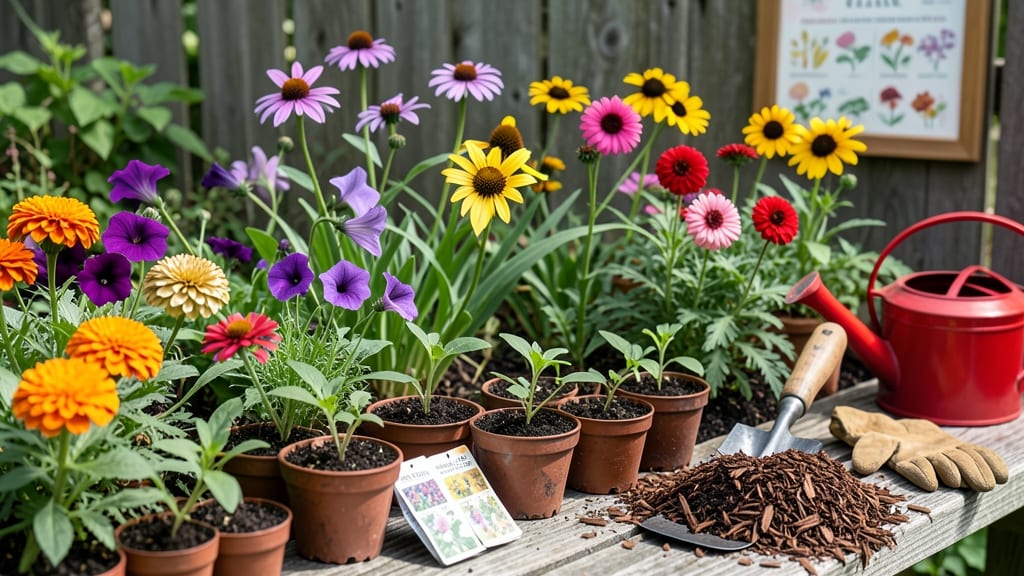
The best time to plant flowers in Ohio is after the last frost, typically between late April and mid-May for most varieties 🌸 — but getting it wrong can mean the difference between a garden bursting with color and one that fizzles before it starts.
Ohio’s unpredictable spring weather can turn a gardener’s dream of vibrant blooms into a guessing game unless you know the exact frost-free dates by zone and flower type. Timing your plantings right means the difference between a showstopping garden and wilting disappointment.
Whether you’re planting annuals like marigolds or hardy perennials like peonies, the key is matching your schedule to Ohio’s USDA Zone 6a and your local microclimate. Urban areas may warm up faster than rural spots, so I’ll break down how to adjust for your specific corner of the state.
Below, you’ll find a step-by-step guide to planting flowers in Ohio, including the best varieties for your region, how to prep your soil, and pro tips to stretch your blooming season from early spring through fall.
Ohio’s frost-free dates by hardiness zone: when to plant flowers by region
Ohio spans USDA hardiness zones 5a through 6b, meaning frost-free dates vary dramatically from southern Ohio’s 50 days earlier than northern regions. Understanding these zones helps you avoid late spring frosts that can devastate tender seedlings.
For example, Cincinnati (zone 6a) typically sees its last frost by April 15, while Cleveland (zone 5b) waits until May 5 on average.
Annual flowers like marigolds and zinnias thrive when planted 2-3 weeks after your region’s last frost date. Perennials, however, often need earlier planting in spring or fall establishment for root growth.
Urban areas may experience microclimates with 1-2 weeks earlier frost-free dates than rural zones due to heat absorption from pavement.
For urban gardeners, check your microclimate—areas near buildings or asphalt may warm up 5-7°F faster than rural fields. Use a minimum thermometer to track nighttime lows. In zone 5a, I’ve seen hardy annuals like snapdragons survive light frosts if planted in protected microclimates.
Heat-loving flowers like sunflowers and cosmos can wait until after May 15 in cooler zones, but cool-season flowers (pansies, violas) should go in early spring or fall. My peony bushes in zone 5b bloom reliably when planted in fall—their roots establish before winter.
Adjust for elevated areas, which can have 1-2 weeks later frost dates. For example, Hocking Hills (zone 5a) often sees frost until May 15, while nearby Athens (zone 6a) may be frost-free by April 20. Always monitor local weather forecasts and use frost cloth for early plantings.
In northern Ohio (zones 5a-5b), I recommend staggered plantings—start heat-tolerant annuals in late May and cool-season flowers in early September for fall blooms. This extends your growing season by 3-4 months and maximizes color year-round.
For container gardening, use black pots to absorb heat and delay frost damage. My petunias in containers often survive 28°F nights in zone 5b when moved near south-facing walls. Always check soil temperature—it should be at least 50°F (10°C) before planting.
Ohio’s fall planting window runs from August 15 to September 15, giving perennials time to root before winter. In zone 6a, I plant dahlias and chrysanthemums in late August for stunning September-October blooms. Urban areas may extend this window by 10-14 days due to heat retention.
Pro tip: Use frost-sensitive indicators like lilacs or forsythia blooms to time plantings. When these native plants flower, it’s safe to plant tender annuals in zones 5a-6a. Pair this with mulching to protect roots from temperature swings.
Remember, Ohio’s frost dates shift 1-2 weeks annually due to climate change. Track your local records and adjust planting dates gradually. With these zone-specific guidelines, you’ll transform guesswork into garden glory—no more wilting disappointments! 🌸
Best flower planting timeline by variety: cool-season vs. warm-season flowers
Ohio’s diverse climate means some flowers thrive in cool spring temperatures while others need warm summer heat to flourish. Planting at the wrong time can stunt growth or trigger early bolting.
For example, tulips planted too late may not bloom, while marigolds sown early risk frost damage. Understanding these seasonal windows ensures your garden stays vibrant from spring to fall.
Most Ohio gardeners follow a two-phase planting strategy: cool-season bloomers in early spring and warm-season favorites in late spring/early summer. However, succession planting lets you stagger varieties for continuous color.
For instance, pansies in March give way to zinnias in June, then asters in August. The key is matching each flower’s temperature preferences with Ohio’s frost-free dates.
- Early Spring (March-April): Plant cool-season bulbs like tulips and daffodils (as soon as soil thaws). Pansies and snapdragons tolerate light frost.
- Late Spring (May): Wait until after last frost (typically mid-May) for warm-season annuals like marigolds and petunias.
- Early Summer (June): Sow heat-lovers such as black-eyed Susans and sunflowers once soil warms to 60°F+.
- Fall (September): Replant cool-season flowers like chrysanthemums for late blooms before first frost.
Some flowers, like zinnias and cosmos, are heat-tolerant and can handle Ohio’s summer humidity, while others, such as impatiens, wilt in direct afternoon sun. For example, I always plant impatiens in partial shade after Memorial Day to avoid leaf scorch.
Similarly, dahlias need to wait until mid-June in northern Ohio to avoid frost damage to their tubers.
Succession planting is my secret weapon for nonstop color. After pulling early spring pansies in June, I replant with heat-resistant zinnias or portulaca. By August, I add fall-blooming asters to bridge the gap until chrysanthemums take over in September. This layered approach ensures my garden never looks bare.
Watch for Ohio’s microclimates: Urban areas often warm up 1-2 weeks earlier than rural zones. For instance, Columbus (Zone 6a) may plant marigolds by May 1, while Cleveland (Zone 5b) waits until May 15.
Always check your local frost dates and adjust accordingly. A frost cloth can extend your planting window by 2-3 weeks for heat-sensitive varieties.
Pro tip: Mark your calendar with these key dates—Mother’s Day (early May) and Memorial Day (late May)—as natural checkpoints. By Memorial Day, most warm-season flowers are safe to plant, while Labor Day signals time to start fall bulbs like crocuses for next spring.
With this strategic timing, your Ohio garden will bloom all season long.